Not just littering: 10 things that can now cost train passengers Rs 1,000
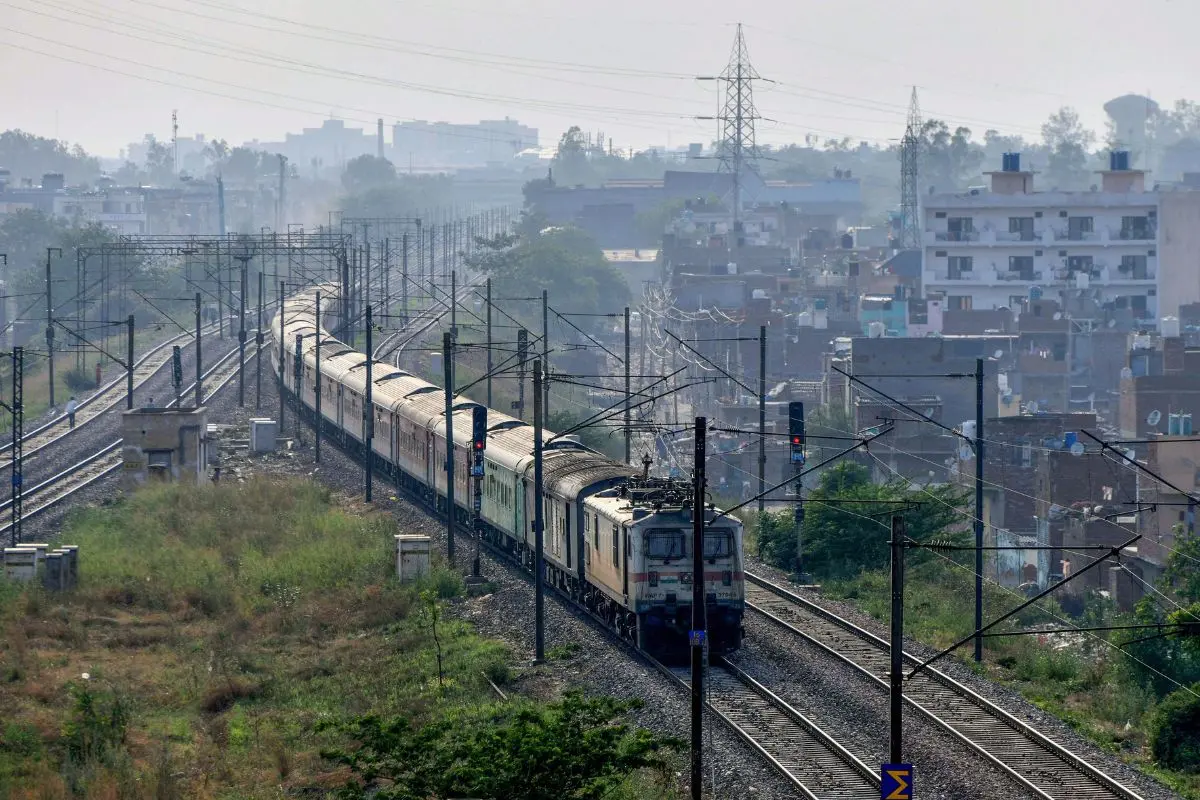
Indian Railways has doubled the penalty for violating its rules on activities affecting cleanliness, from Rs 500 to Rs 1,000. But what exactly can get a passenger fined, and what happens if the penalty is not paid?
The revised rules cover much more than simply throwing rubbish at a railway station. Leaving waste inside a train coach, spitting, cooking, bathing, washing clothes or utensils and several other activities can attract the Rs 1,000 penalty under the specified provisions.
And there is a further consequence for those who do not pay. The person can be produced before a competent court, which may impose a fine of up to Rs 2,000.
The Ministry of Railways notified the change through the Indian Railways (Penalties for Activities Affecting Cleanliness at Railway Premises) Amendment Rules, 2026, published in the Official Gazette on August 24. The amended rules took effect from the date of publication.
What is the Rs 1,000 railway fine for?
The Rs 1,000 penalty applies to violations of the specified cleanliness provisions under the amended rules.
These include:
- Throwing or leaving litter at a railway station, elsewhere on railway premises or inside a train coach, except at designated waste-disposal areas
- Cooking where suitable facilities have not been provided
- Bathing where suitable facilities have not been provided
- Spitting and urinating
- Defecating
- Feeding animals or birds
- Washing vehicles
- Washing utensils or clothes
- Storing articles or materials
For passengers, the littering provision is particularly relevant. The rule does not only concern rubbish thrown onto platforms. Leaving a food packet, plastic cup, bottle or other waste inside a train coach can also constitute a violation if it is not left in a place specifically designated for waste disposal.
Is writing on a train also an offence?
The rules also prohibit passengers and others from putting up posters or writing or drawing on train coaches or other railway property without permission.
Activities that damage or deface railway property are also prohibited.
So the Rs 1,000 penalty provisions extend beyond discarded waste to conduct that can affect the cleanliness or condition of railway property.
So, for a passenger, the immediate penalty for violating the specified rules is Rs 1,000. If that penalty is not paid, the case can proceed before a competent court, where the possible fine can be as high as Rs 2,000.
Who can collect the railway penalty?
The rules authorise certain railway officials to enforce the provisions and collect the penalty.
They include:
- Station Masters or Station Managers
- Ticket Collectors from the Commercial Department
- Officials of equivalent rank in the Operating Department
- Other officials specifically authorised by the Railway Administration
For railway vendors and hawkers:
The rules also assign cleanliness responsibilities to authorised vendors and hawkers operating on railway premises.
They must provide dustbins or suitable waste containers for collecting litter and ensure that the waste is disposed of properly.
The responsibility for maintaining cleanliness, therefore, is not limited to passengers.