Is your train meal safe? Indian Railways launches QR-coded food tracking and digital IDs
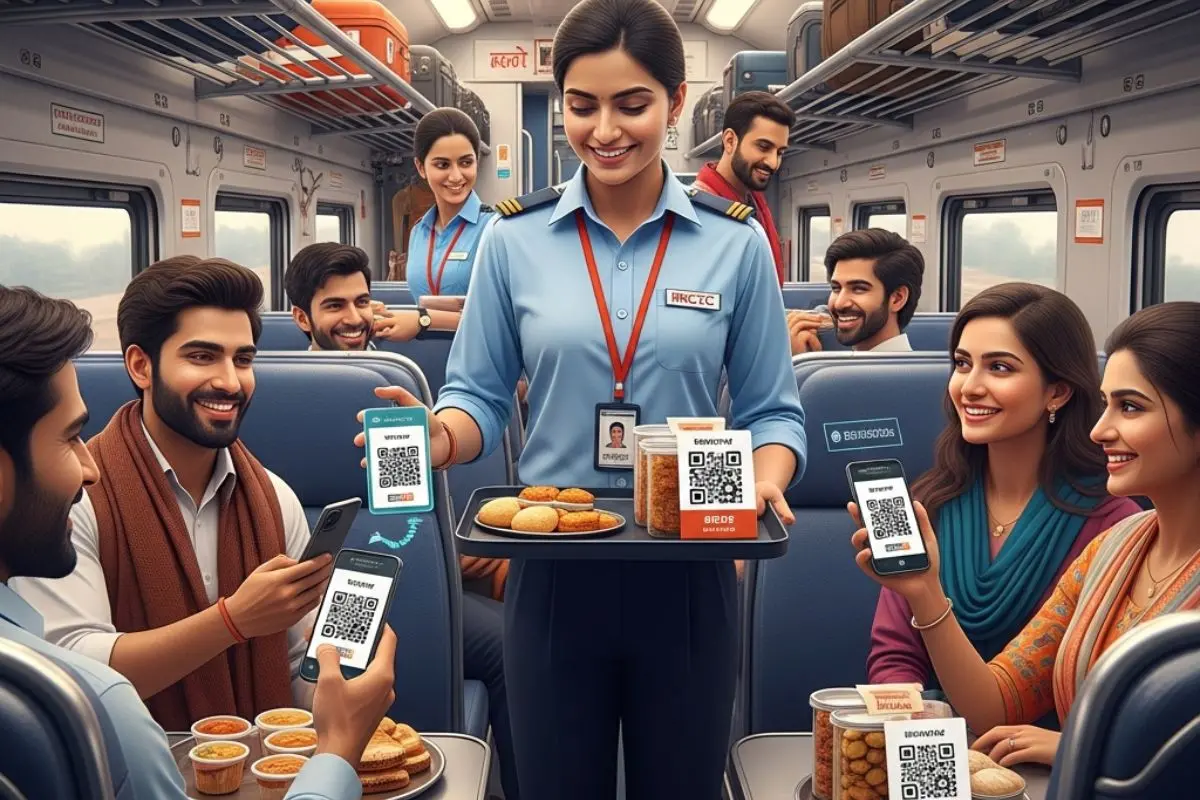
Indian Railways is undergoing a digital transformation to enhance passenger safety and meal quality. On Thursday, Railways Minister Ashwini Vaishnaw informed Parliament that the ministry has successfully integrated QR code-enabled identity cards and digitally traceable food packets across its network. These measures are specifically designed to eliminate unauthorised hawkers and ensure that every meal served onboard meets strict verification standards.
To tackle the persistent issue of illegal vending, the government has mandated that all staff, including helpers and vendors managed by licensees, must carry QR code-enabled ID cards. These cards are not just for display; they serve as a live link to the vendor’s official credentials. By scanning the code, authorities and passengers can instantly verify the vendor’s name, Aadhaar number, medical fitness certificate, and police verification status, ensuring that only authorised and background-checked personnel handle passenger services.
How do QR-coded food packets on trains ensure better hygiene and traceability?
Beyond personnel verification, the "digital footprint" now extends to the food itself. All food packets must now feature a QR code that provides real-time transparency for the consumer. This code displays critical data, including the name of the base kitchen where the meal was prepared and the exact date of manufacturing. This level of traceability holds caterers accountable for freshness and allows the Railways to pinpoint the source of any hygiene-related issues instantly.
What infrastructure is being used to upgrade Indian Railways' food quality?
The Minister highlighted a multi-layered approach to modernising the "railway kitchen." To ensure FSSAI compliance, several systemic upgrades have been implemented:
- Meals are now sourced from designated, tech-enabled kitchens at key locations.
- Continuous monitoring via CCTV in kitchens ensures that food preparation follows strict sanitary protocols.
- Only shortlisted, branded ingredients (oil, rice, pulses, and dairy) are permitted for use.
- Dedicated Food Safety Supervisors are now deployed at base kitchens to oversee daily hygienic practices.
Third-party auditing and passenger feedback
To maintain high standards, Indian Railways has moved beyond internal checks. Third-party audits are now regularly conducted to evaluate the hygiene levels of both pantry cars and base kitchens. Furthermore, the Food Safety and Standards Authority of India (FSSAI) certification is mandatory for all catering units. The Minister also noted that customer satisfaction surveys and regular training for IRCTC staff are part of a continuous loop to improve the overall passenger experience.