Sanchar Saathi app becomes mandatory on smartphones sold in India: What you need to know
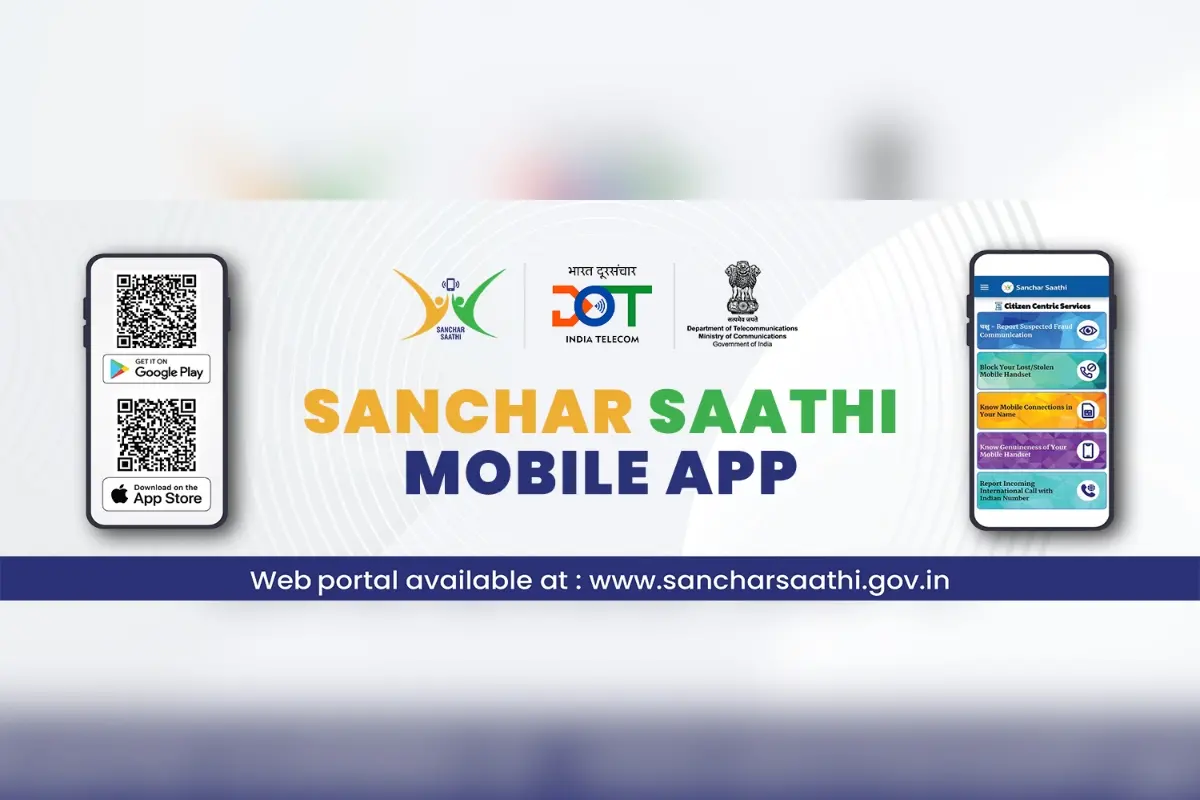
India's Department of Telecommunications has ordered all smartphone manufacturers to pre-install a government cybersecurity app on new mobile devices, marking an aggressive regulatory intervention into the mobile device market to combat telecom fraud and identity theft.
The Sanchar Saathi app, launched in January 2025, must be pre-installed and non-removable on all new phones within 90 days of the Nov. 28 order, according to government directives. Devices already in supply chains will receive the app through over-the-air software updates.
"The app is designed to protect India's 1.2 billion telecom subscribers from widespread fraud," said government officials, citing concerns over duplicate IMEI numbers, unique identifiers for mobile devices, that enable scams and unauthorised network misuse.
What the App Does
Sanchar Saathi, available in Hindi and 21 regional Indian languages, provides five key security features:
The "Chakshu" tool allows users to report suspected fraudulent communications, including KYC-update scams sent via calls, SMS or WhatsApp. A "Block Lost/Stolen Phones" feature helps users trace and block lost or stolen devices across all telecom operator networks, preventing misuse.
The app also enables users to identify all mobile connections registered under their name, helping detect unauthorised accounts. An IMEI verification tool checks mobile handset authenticity, while another feature reports international calls spoofed with Indian numbers.
Since its launch, Sanchar Saathi has recovered more than 700,000 lost phones and terminated millions of fraudulent connections, according to government figures.
Manufacturer Concerns
The mandate has already created friction with smartphone manufacturers. Apple maintains internal policies prohibiting pre-installation of government or third-party apps before device sale, creating a direct conflict with the Indian order. Industry sources say manufacturers were not consulted before the directive was issued.
Major smartphone makers, including Samsung, Xiaomi and other global brands selling devices in India, face compliance deadlines or potential regulatory consequences.
Opposition and Privacy Concerns
Privacy advocates and tech industry analysts have raised concerns about mandatory government surveillance infrastructure embedded in consumer devices. Critics argue that non-removable apps raise questions about data collection, user consent and digital autonomy.
Some observers note the precedent could encourage other nations to mandate similar government apps, fragmenting the global smartphone ecosystem. Transparency regarding data handling practices and safeguards against misuse remains unclear, fueling concerns among civil liberties organisations about potential overreach in the absence of independent oversight mechanisms.
Government Clarification
Telecom Minister Jyotiraditya Scindia addressed rising privacy concerns on Tuesday by providing a strong clarification. Speaking to reporters outside Parliament, he stated that the claims regarding the Sanchar Saathi app were incorrect and emphasised that the app is entirely optional for users.
“The app is completely optional. If you want to delete it, you can. If you don’t wish to register, you don’t have to, and you can remove it at any time,” the minister explained. He further asserted that the app does not facilitate any form of surveillance, saying, “The app does not allow snooping or call monitoring.” Scindia dismissed the privacy-related worries that had begun to circulate in political and public discussions.