India launches ₹1 lakh crore mission to build next-generation Air Force transport aircraft
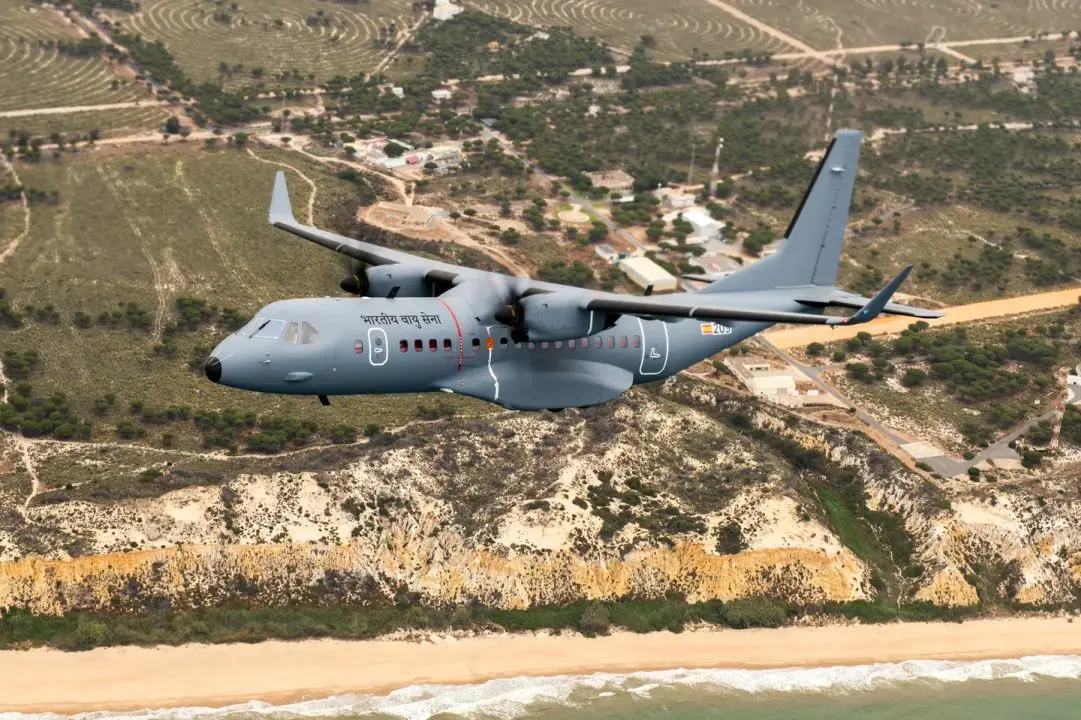
IAF's biggest transport aircraft programme aims to replace ageing cargo planes, strengthen military readiness and create a new chapter for 'Make in India' aerospace manufacturing India has taken a major step towards modernising its Air Force with a ₹1 lakh crore programme to acquire 60 Medium Transport Aircraft (MTA) for the Indian Air Force (IAF).
The ambitious project is all about replacing ageing transport planes, strengthening India's ability to move troops and equipment quickly, and building a stronger domestic aerospace manufacturing industry.
The Defence Ministry has issued a tender inviting Indian companies to partner with leading global aircraft manufacturers, making the programme one of the country's largest defence aviation projects in recent years. With a mix of foreign technology and Indian manufacturing, the project reflects the government's larger vision of making India a global aerospace production hub.
Why does the Air Force need new transport aircraft?
Fighter jets often receive most of the attention, but transport aircraft are among the most important assets in any military. These aircraft carry soldiers, tanks, vehicles, ammunition, humanitarian supplies and disaster relief equipment across the country and beyond.
Whether responding to floods in Kerala, delivering supplies to Ladakh or supporting military operations during emergencies, transport aircraft keep the armed forces moving. Many of the IAF's older cargo aircraft are nearing the end of their operational life, making replacement increasingly necessary. The new MTA fleet is expected to fill this gap while significantly improving India's strategic airlift capability.
A project worth ₹1 lakh crore
The Defence Ministry has issued the tender to five Indian companies namely Hindustan Aeronautics Limited (HAL), Tata Advanced Systems Limited (TASL), Mahindra Defence, Adani Defence & Aerospace and Reliance Defence.
Rather than importing ready-made aircraft, the government wants Indian companies to work with international aircraft manufacturers to build most of the fleet inside India. This approach combines proven global aircraft technology with domestic manufacturing capability.
Who are the global contenders?
Two major international aircraft manufacturers have already emerged as strong contenders. The first is Tata + Lockheed Martin as Tata Advanced Systems has partnered with Lockheed Martin of the United States to offer the C-130J Super Hercules. The aircraft is already familiar to the Indian Air Force.
India currently operates 12 C-130J aircraft, which are mainly used for special operations and tactical missions. Because the aircraft is already in service, maintenance systems, pilot training and operational experience already exist.
Second is Mahindra + Embraer- Mahindra Defence has partnered with Brazilian aerospace company Embraer to offer the C-390 Millennium. The C-390 is a modern military transport aircraft designed for cargo transport, troop movement and humanitarian missions. It is also capable of performing multiple roles, making it one of the strongest competitors in the programme.
The remaining Indian companies are expected to announce their international partnerships as the competition progresses.
Built in India
One of the most important features of the programme is its strong Make in India focus. The government plans to induct around 20% of the aircraft in fly-away condition, allowing deliveries to begin earlier. The remaining aircraft will be manufactured in India through joint ventures between Indian companies and global OEMs.
These India-built aircraft are expected to have over 60% indigenous content, meaning that a large share of components, systems and manufacturing work will take place within the country. This could create thousands of skilled jobs across manufacturing, engineering and aircraft maintenance.
What makes these aircraft special?
The new transport aircraft are expected to carry between 18 and 30 tonnes of cargo which will allow them to transport military vehicles, heavy equipment, troops, medical supplies, disaster relief and engineering equipment.
Some versions could also be configured for aerial refuelling, enabling them to support fighter aircraft during long-distance operations. This would add another important capability to the Indian Air Force.
More than just military operations
Transport aircraft often become national lifelines during emergencies.
During natural disasters, they can deliver relief supplies to remote regions where roads become unusable. They can evacuate civilians during international crises and rapidly move medical teams during health emergencies.
In many ways, these aircraft serve both defence and humanitarian purposes. That makes the investment valuable even outside military operations.
A larger Air Force modernisation plan
The MTA programme is only one part of the Indian Air Force's massive modernisation effort. Several other major procurement programmes are moving forward simultaneously.
114 multirole fighter aircraft
The Air Force is pursuing a long-awaited programme to acquire 114 new fighter aircraft. France has already submitted a techno-commercial proposal for Rafale fighters, opening the next phase of negotiations. The proposed deal is expected to be worth around ₹3.25 lakh crore.
Like the transport aircraft programme, most of these fighters are expected to be manufactured in India through partnerships with Indian industry.
More trainer aircraft
The Air Force also plans to replace its ageing Hawk trainer fleet with more than 100 new trainer aircraft. Training aircraft play a critical role because every fighter pilot begins flying on these platforms before moving to advanced combat aircraft.
Airborne early warning systems
India is also strengthening its surveillance capability through additional Airborne Early Warning and Control (AEW&C) systems, which help monitor enemy aircraft and coordinate air operations.
Together, these programmes represent one of the largest military aviation modernisation efforts in India's history. Instead of simply buying aircraft from abroad, the government wants international manufacturers to establish production partnerships within India.
With this, Indian companies can gain expertise in aircraft assembly, structural manufacturing, component production, system integration and much more.
Over time, these capabilities could strengthen India's position as both a defence manufacturing nation and an aviation MRO hub.
Lessons from the C-295 programme
India has already begun following this model through the Airbus-Tata C-295 programme.
Under that project, around 70 transport aircraft are being inducted for the Air Force, with most of them being manufactured in India. The MTA programme builds on that experience but targets a larger and more capable aircraft category. The ₹1 lakh crore Medium Transport Aircraft programme reflects India's changing approach to military aviation moving from importing complete aircraft towards building long-term industrial capability.
For the Indian Air Force, the new fleet promises greater mobility, faster response during emergencies and stronger operational readiness. For Indian industry, it offers an opportunity to deepen manufacturing expertise, attract global technology partnerships and expand the country's aerospace ecosystem. The competition between global aircraft manufacturers has now begun, but the bigger story lies in what happens after the winner is selected.
If executed successfully, this programme could help create not just a new transport aircraft fleet, but an industrial foundation that supports India's defence aviation ambitions for decades to come.