Will India have to pay $2 million to cross the Strait of Hormuz? | EXPLAINED
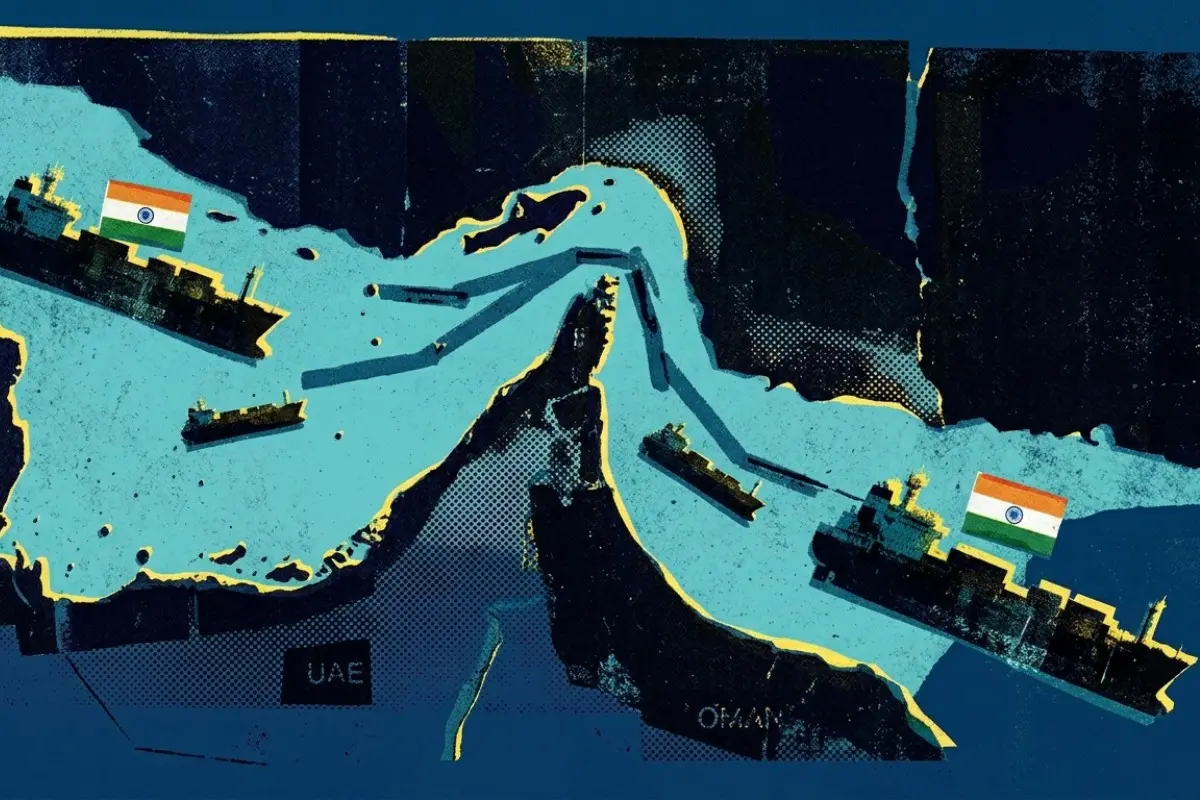
Amid ongoing tensions in West Asia, reports that Iran may impose substantial transit charges on vessels crossing the Strait of Hormuz have raised concerns about the future of global shipping. For India, which relies heavily on this route for its energy imports, the possibility of additional costs has drawn particular attention. The key question now is whether these developments could translate into a financial burden for New Delhi.
Will India have to pay millions to cross the Strait of Hormuz?
Rising tensions in West Asia have brought fresh uncertainty to one of the world’s most vital shipping routes. Reports that Iran may charge hefty transit fees to vessels passing through the Strait of Hormuz have sparked concern, particularly for countries like India that depend heavily on energy imports.
Why the Strait of Hormuz matters
The Strait of Hormuz is a narrow but crucial waterway linking the Persian Gulf to the Arabian Sea. A significant share of the world’s oil and gas passes through this corridor, making it a strategic lifeline for global trade. For India, the stakes are especially high, as a large portion of its crude oil and liquefied petroleum gas supplies travel through this route.
Recent hostilities involving Iran, the United States, and Israel have disrupted normal maritime activity. Although a temporary ceasefire is now in place, shipping traffic remains far below usual levels, with many operators waiting for clarity before resuming operations.
What are the reports about a $2 million toll?
An Iranian lawmaker recently suggested that charging vessels up to $2 million to cross the strait would demonstrate the country’s strategic strength. This idea appears to be part of a broader proposal by Tehran to formalise its control over the waterway.
There have also been suggestions that any passage through the strait may require coordination with Iranian authorities, at least for a limited period during the current truce. This has led to speculation that fees or restrictions could become more structured in the future.
India’s position: No payments so far
India has firmly stated that it has not paid any such toll, nor has the issue been formally discussed with Iran. Officials have consistently emphasised the importance of free and secure navigation through international waters.
New Delhi maintains that access to the strait should remain open and unrestricted, in line with global maritime norms. So far, Indian vessels appear to have been allowed passage, possibly due to diplomatic ties, but the situation remains fluid.
What does International law say?
Under the United Nations Convention on the Law of the Sea, natural straits used for international navigation generally do not attract transit fees. Charges are typically associated with man-made canals such as the Suez or Panama Canal.
However, the legal picture is complicated in this case. Neither Iran nor the United States has formally ratified the convention, even though both have broadly followed its principles in practice. This leaves room for differing interpretations if tensions escalate.
Is the Strait fully open now?
Not entirely. While a ceasefire has reduced immediate risks, the strait is not functioning at full capacity. Some routes have reportedly been marked as safe, but overall traffic remains cautious and limited.
In addition, ongoing conflict in neighbouring regions continues to affect stability. This adds another layer of uncertainty for shipping companies and governments alike.
Will India have to pay in the future?
At present, India is not paying any transit fee, and there is no official indication that it will be required to do so soon. However, the possibility cannot be ruled out if Iran moves ahead with formalising control or if geopolitical tensions worsen.