Killer syrup horror: Doctor arrested after 10 kids die in MP’s Chhindwara
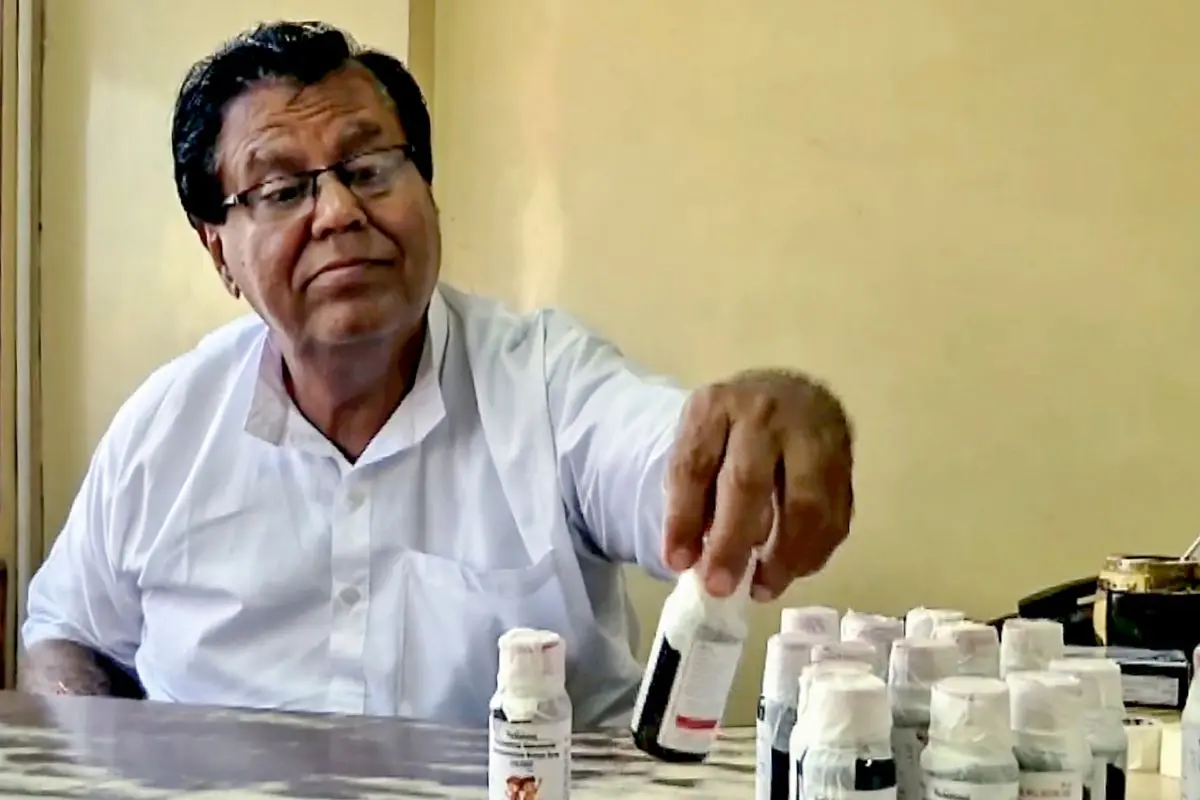
Bhopal: Following the deaths of 10 children in Madhya Pradesh’s Chhindwara district, police on Saturday night arrested Dr Praveen Soni, the physician who prescribed the Coldrif cough syrup later found to be contaminated with a lethal chemical.
Earlier in the day, authorities registered an FIR against Dr Soni and the operators of Sresun Pharmaceuticals, the Tamil Nadu-based manufacturer of the syrup.
The case, filed under Section 27(A) of the Drugs and Cosmetics Act and Sections 105 and 276 of the Bharatiya Nyaya Sanhita (BNS), was based on a complaint by Ankit Sahlam, Block Medical Officer of the Parasia Community Health Centre.
Investigations have revealed that Dr Soni had prescribed Coldrif to most of the affected children.
A government laboratory report released on Friday found the syrup contained 48.6% Diethylene Glycol (DEG) — a highly toxic industrial chemical known to cause kidney failure and death.
In response to the tragedy, the Union Health Secretary is scheduled to hold a video conference with state health secretaries and drug controllers across India to review the “rational use” of cough syrups and strengthen drug safety oversight.
The Madhya Pradesh government on Saturday imposed an immediate ban on the sale and distribution of Coldrif after confirming contamination in samples from the same batch linked to the fatalities.
A directive issued by the state drug controller described the syrup as “non-standard and defective (NSQ)” based on a report from the Tamil Nadu Drug Control Directorate dated October 2.
The contamination rendered the medicine unsafe for human consumption. All stocks of Coldrif have been sealed, and the ban has been extended to all other products made by Sresun Pharmaceuticals, which is already under investigation by Tamil Nadu authorities.
A similar ban was imposed in that state on October 1 after preliminary findings linked Coldrif to the deaths of at least 12 children — nine in Madhya Pradesh, two in Maharashtra, and one in Rajasthan.