India calls for de-escalation after West Asia shipping attacks, crude prices jump
India on Wednesday expressed deep concern over the escalating security situation in West Asia, warning that recent attacks on commercial shipping could threaten regional stability, global trade and energy supplies. Calling for immediate de-escalation, New Delhi urged all sides to exercise restraint and return to diplomacy amid growing tensions between the United States and Iran.
"India is deeply concerned over the recent attacks and escalation of tensions in West Asia, which have followed fresh targeting of commercial shipping transiting international waterways in the region. These developments risk undermining regional peace, security and stability," Ministry of External Affairs (MEA) spokesperson Randhir Jaiswal said in an official statement.
The MEA also stressed the need to safeguard civilians and ensure that global energy trade remains uninterrupted.
"India calls upon all parties to exercise restraint, de-escalate tensions, and ensure protection of civilians as well as the uninterrupted flow of energy supplies and commerce. We urge the parties to return to dialogue and diplomacy to achieve a peaceful and lasting solution to the conflict," the statement added.
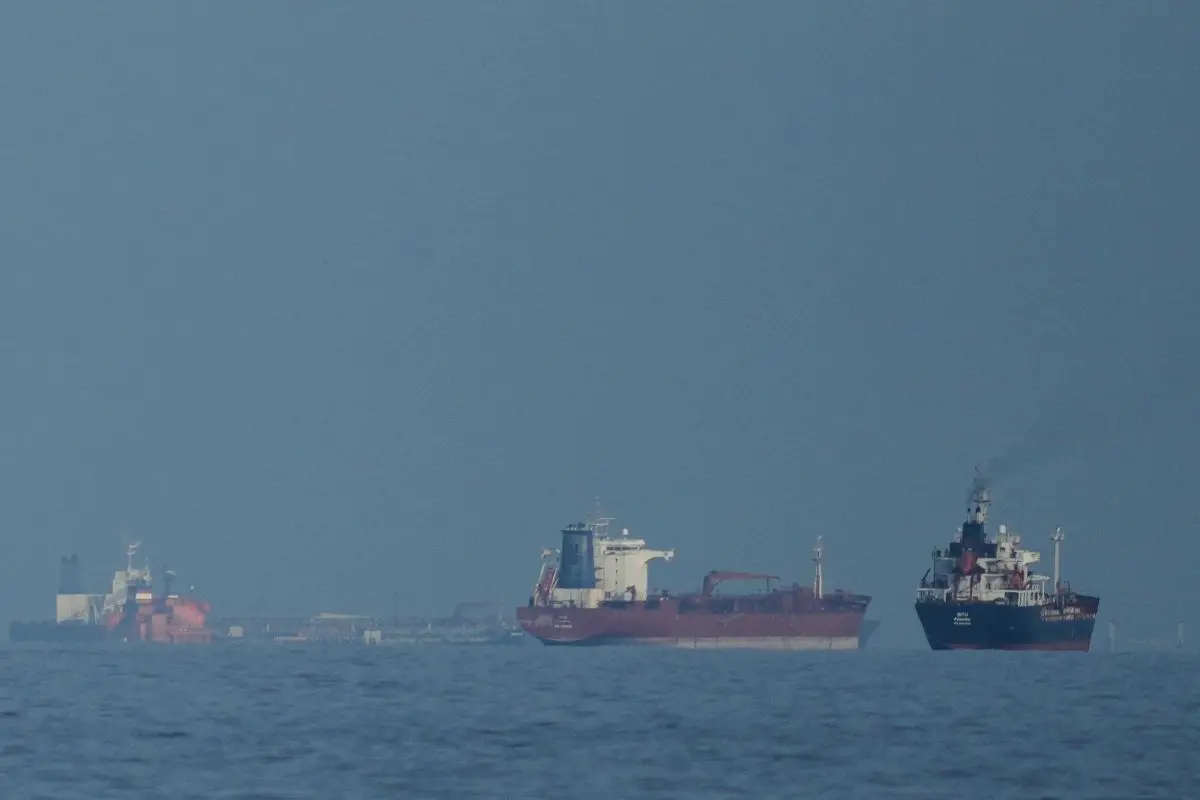
India's remarks came as fears of a wider conflict in West Asia intensified after fresh attacks on commercial vessels passing through the Strait of Hormuz, one of the world's busiest oil shipping routes. The latest developments have raised concerns over possible disruptions to global crude supplies and international trade.
Reflecting those concerns, international oil prices surged sharply. Brent crude, the global benchmark, climbed more than six per cent to trade near $80 per barrel, while US benchmark West Texas Intermediate (WTI) gained over six per cent to around $75 per barrel as markets reacted to the renewed geopolitical tensions.
The escalation gathered pace after US President Donald Trump declared that the ceasefire between Washington and Tehran was effectively over following a fresh round of American military strikes on Iranian targets. Trump accused Iran of resuming attacks despite what he described as a temporary pause granted by the United States.
"They said to us, 'Please don't kill us during the funeral.' I said I won't. We didn't. In fact, we made it safe for them," Trump said while speaking on the sidelines of the NATO summit.
Claiming that Iran resumed hostilities soon after, Trump added, "They started shooting rockets at ships yesterday. So we hit them very hard last night, very hard...Every time you hit, we hit."
The US President also warned that Washington was prepared to carry out further military strikes if attacks continued, while indicating that negotiations over Iran's nuclear programme had largely lost momentum, although diplomatic channels remained open.
Trump further revealed that he had instructed the US military to avoid damaging oil pipelines while expanding strikes on other strategic targets, including infrastructure on Kharg Island, Iran's main oil export terminal.
US Defence Secretary Pete Hegseth said the latest American operation targeted Iranian military assets allegedly involved in threatening commercial shipping through the Strait of Hormuz.
The renewed hostilities have once again placed the Strait of Hormuz at the centre of global attention. Nearly one-fifth of the world's oil supply passes through the narrow waterway, making any disruption a major concern for energy-importing nations, including India.
With IANS inputs