Explainer: Can Bangladesh really demand Sheikh Hasina’s extradition?
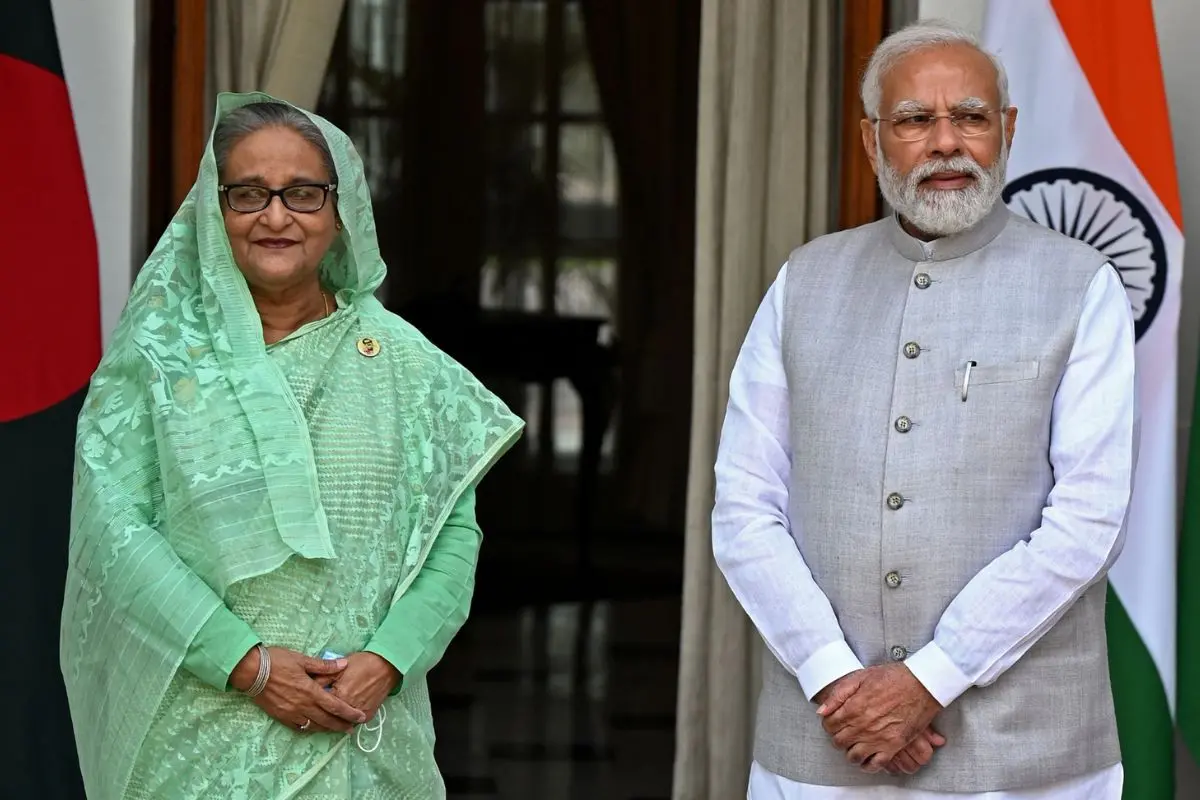
Bangladesh’s interim government has formally referred to the India–Bangladesh Extradition Treaty (2013) while requesting New Delhi to return former Prime Minister Sheikh Hasina, after the International Crimes Tribunal (ICT) issued an arrest warrant against her for “crimes against humanity.”
However, whether India is legally obliged to comply depends on how the treaty is interpreted, the nature of the charges, and India’s own domestic law governing extradition.
When is an extradition request valid?
Under Articles 1 and 2 of the treaty, extradition can be sought only when an individual has been charged, accused, or convicted of an extraditable offence. The arrest warrant issued by Bangladesh’s ICT satisfies this basic procedural requirement. Dhaka is therefore well within its rights to transmit a request to India.
But the treaty also requires dual criminality—the alleged offence must be punishable in both countries. While Bangladesh recognises “crimes against humanity” under its domestic war-crimes legal framework, India does not apply this term in the same domestic context. India typically associates such charges with international tribunals or clearly defined international law situations, not with domestic political events. This gives New Delhi a legal window to argue that the charge does not fit India’s definition of an extraditable offence.
Historically, the treaty was negotiated with two priorities: Bangladesh’s long-standing desire to pursue unresolved crimes related to the 1971 Liberation War, and India’s need to ensure the return of insurgents linked to groups such as ULFA. It is widely acknowledged that neither side anticipated a scenario where a former prime minister, ousted through a political movement, would become the subject of such a request.
Can India legally refuse extradition?
Yes—and the treaty explicitly allows this.
Article 6(1) permits refusal if the alleged offence is of a political character. Given that Hasina was removed following a political uprising and that the charges were brought by a political rival-led interim government, India can categorise the allegations as inseparable from Bangladesh’s domestic politics.
Article 8(3) further allows refusal if the request appears politically motivated, made in bad faith, or contrary to the interests of justice. With Nobel laureate Muhammad Yunus leading the interim administration—long a political adversary of Hasina—India has a strong legal basis to argue that the charges may not be impartial.
Bangladesh could attempt to invoke Article 6(2), which creates exceptions to the political-offence bar. But doing so would require Dhaka to convincingly demonstrate the absence of political motivation—an uphill diplomatic task.
Is there any neutral body to settle this dispute?
No. The treaty does not provide for arbitration or third-party adjudication. The UN cannot intervene, and the International Court of Justice can hear the case only if both nations consent—an unlikely scenario. Article 21(3) even allows either country to terminate the treaty with six months’ notice.
What does India’s Extradition Act say?
India’s Extradition Act, 1962 grants additional layers of protection. Section 31 bars extradition for political offences.
Section 29 permits refusal if a request lacks good faith, is not in the interests of justice, or appears politically driven.
These provisions mirror the treaty and give India an independent domestic legal basis to reject the request even if Bangladesh insists on compliance.