IMF's Indian Executive Director KV Subramanian removed six months before term completion
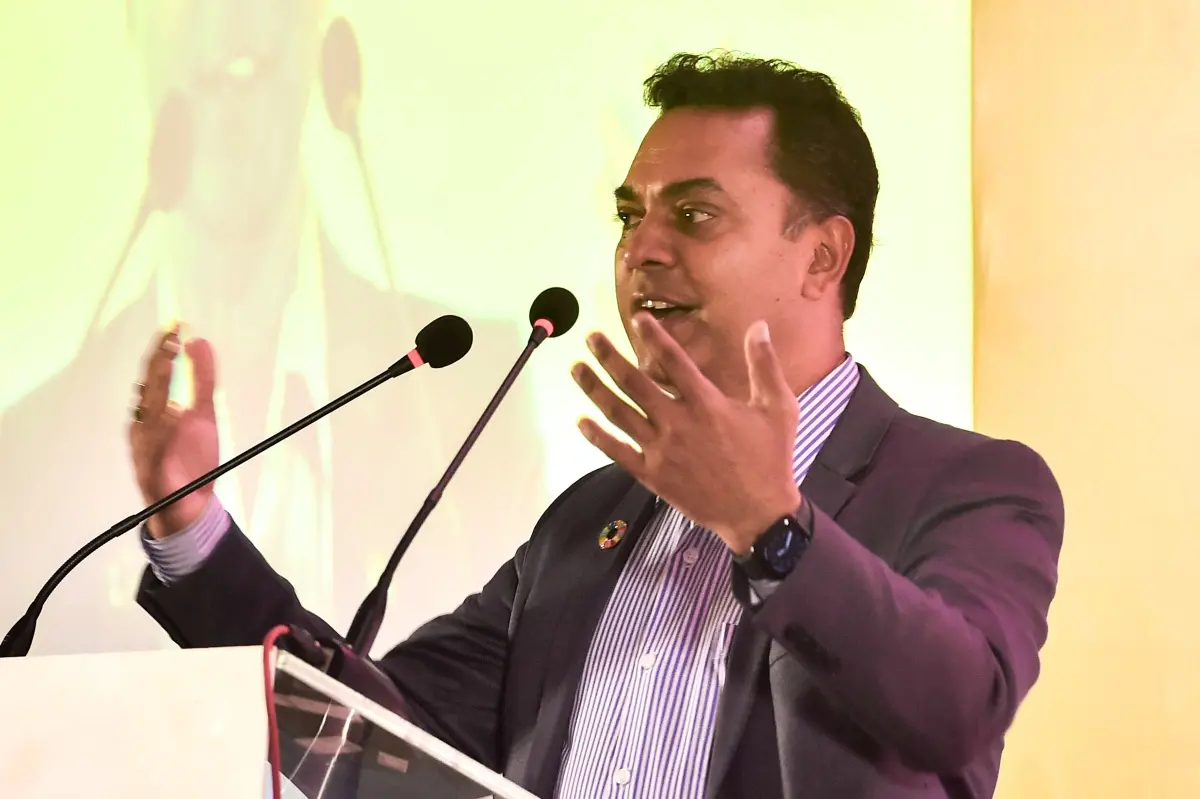
New Delhi: The government has officially terminated the services of Krishnamurthy Subramanian as Executive Director (India) at the International Monetary Fund (IMF), an official statement issued by the government read.
The announcement was made earlier on Friday, based on an order dated April 30, 2025. His tenure as Executive Director at the IMF was originally set to conclude in November 2025, marking the completion of a three-year term. However, the government ended his term prematurely without providing any explanation for the decision.
"The Appointments Committee of the Cabinet has approved the termination of services of Dr Krishnamurthy Subramanian as Executive Director (India) at the International Monetary Fund with immediate effect," an official order issued by the Ministry of Personnel read.
Subramanian had assumed the IMF position in August 2022. Before that, he served as the 17th Chief Economic Advisor (CEA) to the Government of India between 2018 and 2021.
Meanwhile, the IMF on April 22 lowered India's growth projection for the fiscal year 2025-26 to 6.2 per cent.
The forecast reflects a cautious stance in light of global trade uncertainties, particularly due to reciprocal tariffs by the United States and domestic economic challenges. The IMF reduced growth projections for nearly all economies in its April edition of the WEO.
This reflects a more cautious outlook amid global trade disruptions posed by the reciprocal tariffs by the US and domestic challenges. In its World Economic Outlook (WEO) report for April, it slashed the economic growth rate forecast of almost every economy.
In its annual publication, the global body said that the growth outlook for the Indian economy is relatively more stable at 6.2 per cent in 2025 (Fiscal 2025-26).
The growth of the Indian economy is supported by private consumption, especially in the rural areas, but this rate is 0.3 percentage points lower than in the January 2025 WEO estimate, impacted by trade tensions and global uncertainties.
(with inputs from ANI)