Auto-taxi strike hits Delhi-NCR for second day; commuters and rickshaw drivers react
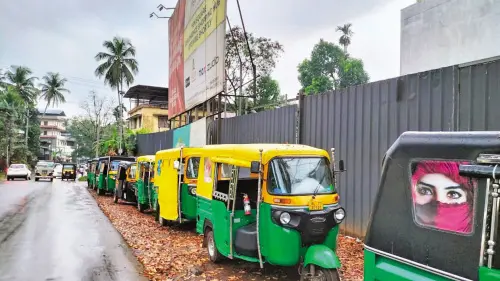
New Delhi: The auto-taxi strike in Delhi-NCR continued for a second day on Friday, causing significant disruptions for commuters as they struggled to book cabs and auto rickshaws through app-based aggregator services.
The strike, organised by the Delhi Auto Taxi Transport Congress Union, is driven by demands for fair compensation from ride-hailing aggregators and concerns over the impact of bike taxis on their livelihoods. The unions argue that these factors, coupled with rising costs, have made it difficult for drivers to sustain their operations.
A driver participating in the strike explained, "The prices have been significantly lowered, and we’re not getting paid enough. CNG has become very expensive. So we decided to go on strike and not operate our vehicles."
Another driver, Shakeel Ahmad, emphasised the financial strain on drivers: "We are not able to work. We cannot pay the EMIs for our vehicles. Private taxis and motorcycles are operating while we are paying taxes. We are holding the strike on August 22-23, and it could extend if the government does not address our concerns and take action against private vehicles and adjust the rates."
The strike has prompted varied reactions from users. Some reported difficulties in finding available autos and experienced increased fares. Vinay Kumar shared his frustration: "I tried booking an auto on an app to reach my residence in Jangpura from the New Delhi railway station but was unable to do so."
Many users took to social media to express their discontent. One user humorously noted, "Phir bhi jaam hai Delhi me," highlighting the constant traffic congestion despite the strike. Another commented, "No auto rickshaw driver in Delhi has ever accepted a meter fare."
Khushboo, a media professional traveling from Gurugram to Delhi, reported that cabs were reluctant to enter the city due to fears of encountering strike-related resistance. "Cabs were refusing to go to Delhi as drivers feared that they could face resistance," she said.
The strike involved fifteen unions across Delhi and the National Capital Region, significantly affecting daily commutes and drawing widespread attention to the ongoing issues faced by the auto and taxi driver community.