How India’s new satellite tools aim to save lives during disasters | Explained
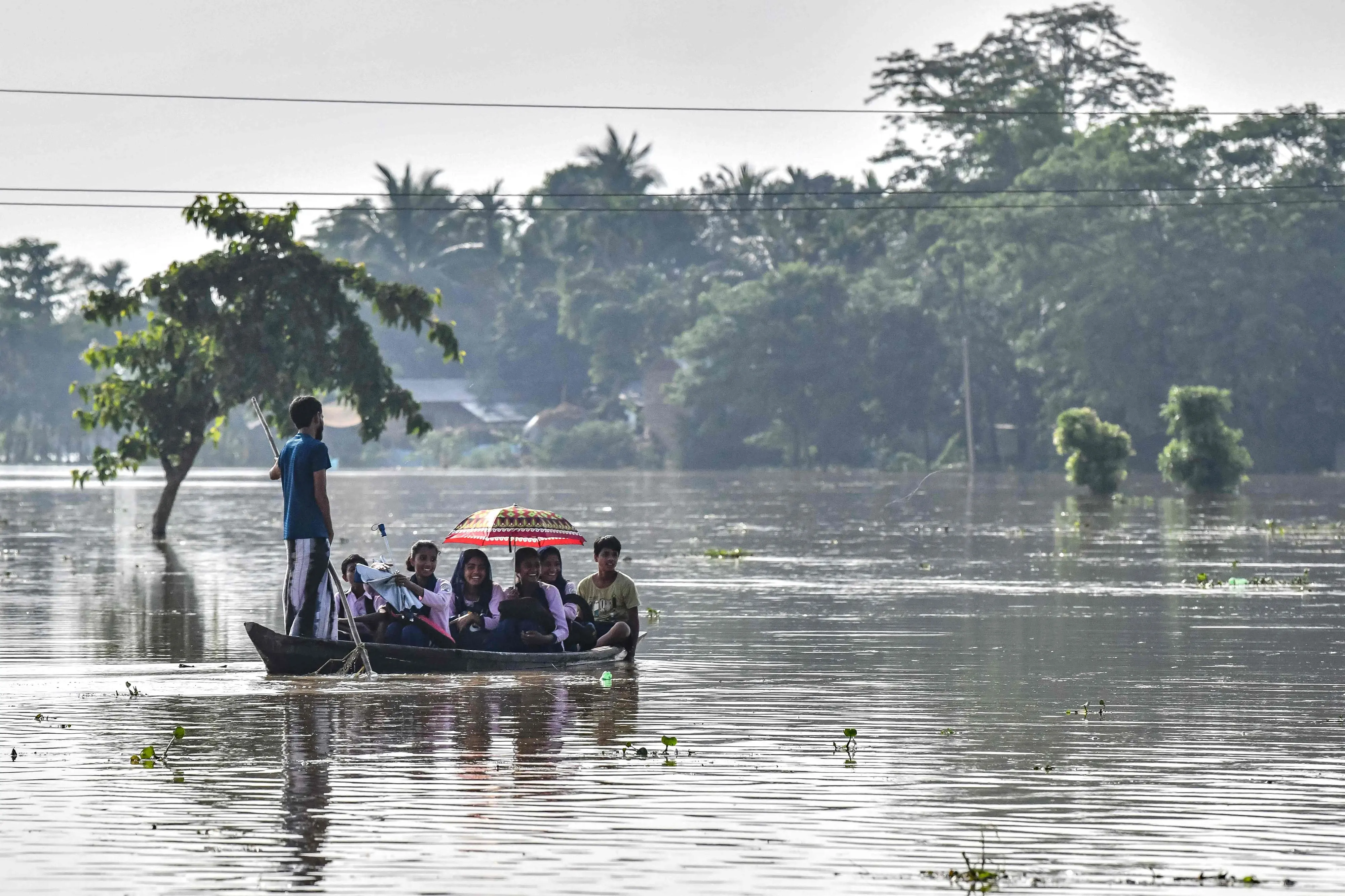
New Delhi: Union Home Minister Amit Shah has unveiled three major technology platforms aimed at enhancing India's disaster preparedness and response systems. The launch took place during the annual conference of Relief Commissioners, Disaster Management Secretaries, and State Disaster Response Forces. Here's a quick look at what these platforms are and how they’ll help:
1. Integrated Control Room for Emergency Response (ICR-ER)
The ICR-ER is a centralised, real-time control room that enables a nationwide emergency response system. It uses live satellite data to monitor disaster events as they unfold. Allows instant communication and coordination between central and state-level agencies. Supports faster mobilisation of rescue and relief teams across India.
ICR-ER drastically improves response time and operational coordination during crises like floods, earthquakes, and cyclones.
2. National Database for Emergency Management Lite 2.0 (NDEM Lite 2.0)
A lightweight, mobile-friendly platform that gives ground teams real-time access to critical disaster information. It can be accessed from remote or rural areas. Offers disaster maps, alerts, and coordination tools also enables first responders and officials to work as a unified task force.
3. Flood Hazard Zonation Atlas of Assam
A satellite-based digital atlas designed to map flood-prone areas across Assam. As Assam is highly vulnerable to floods. This atlas offers a scientific approach to mitigation, helping reduce long-term damage and improving preparedness.
It tracks historical flooding patterns and current water levels, provides aids in development planning, agriculture resilience, and crop insurance.
It also helps local authorities and planners identify high-risk flood zones.
Why these tools matter
Speaking at the launch, HM Amit Shah emphasised that these tools mark a shift in India’s disaster response from relief-based to a proactive, tech-driven, and zero-casualty approach. He noted that early warning systems, coordination tools, and better planning can save lives and minimise damage.
With increasing challenges posed by climate change, these digital solutions are expected to play a crucial role in making India a global leader in disaster management.
(with PTI inputs)