Rs 7,000 crore revenue, Rs 4,000 crore damage: Study flags Iron ore mining toll on Goan village
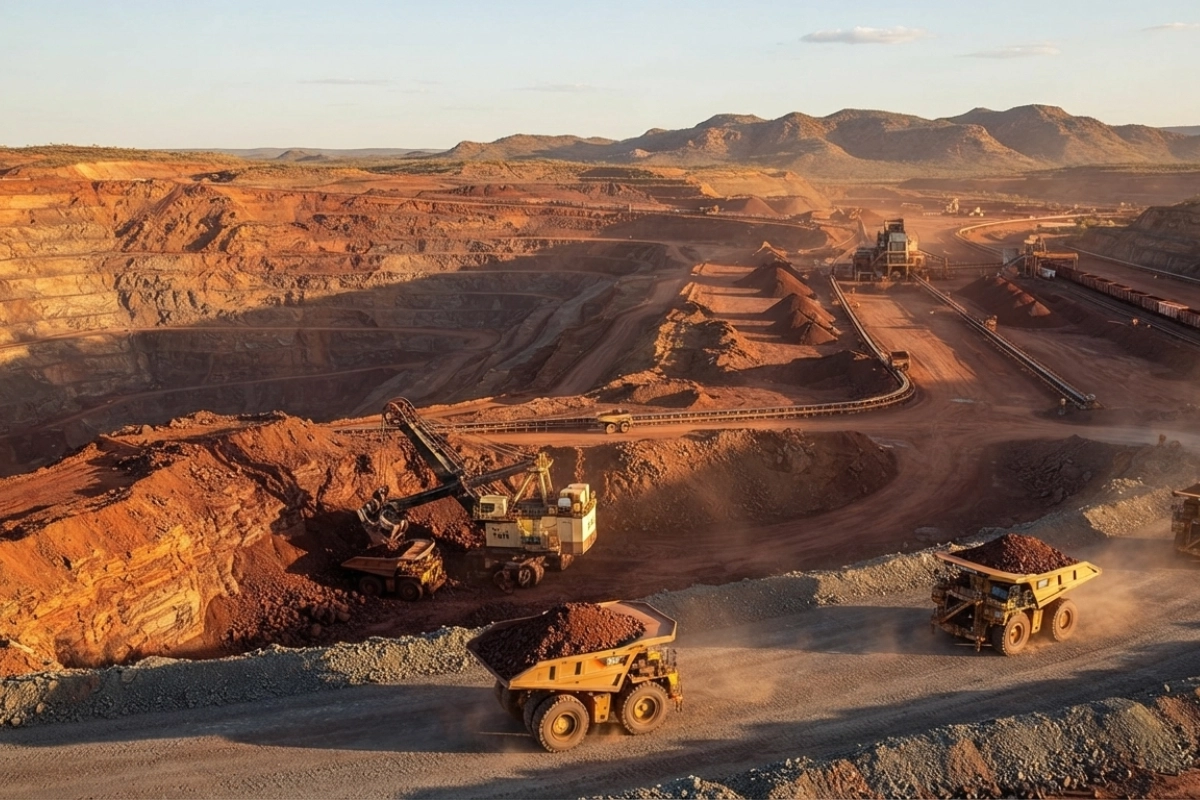
Panaji: Five decades of iron ore extraction in Sirigao village in North Goa caused estimated environmental, economic and social damage worth Rs 4,000 crore, nearly 60 per cent of gross revenue generated from the sale of ore, a study released on Tuesday claimed.
The environmental study, authored by Dr Sagar Dhara of the South Asia People's Action on Climate Change (SAPACC), estimates that iron ore sales from the village in Bicholim taluka generated gross revenue of around Rs 7,000 crore during the period.
The report was released here on Tuesday by the Goa Foundation, a green NGO based in the coastal state.
Commissioned by the villagers of Sirigao and completed in September after a two-year exercise, the report claims to be the first study in India to quantify the financial aspects of ecological and environmental damage caused by mining over five decades.
The study estimates direct human losses, including damage to agriculture, fisheries, water resources, health and houses, at Rs 1,000 crore, and has put the cost of social externalities, including loss of natural productivity and carbon emissions, at Rs 2,000 crore.
It estimates that at least Rs 1,000 crore would be required to initiate ecological restoration.
The study has claimed that the village has lost its original clean water sources, forcing residents to depend on external alternatives, and has documented losses in paddy cultivation, cashew, coconut and mango production, dairy farming and traditional fisheries, besides the loss of forest produce such as firewood, timber, kokum and tamarind.
On the health impacts, the appraisal estimates an elevated cancer risk of 6,900 to 8,200 per million people based on lifetime exposure to polluted air and water. It also points to an increase in respiratory illnesses, including asthma, allegedly linked to iron ore dust and air emissions.
The study further states that mining-related vibrations and environmental changes have caused visible cracks in houses in the village.
The appraisal, based on discussions and interviews with senior residents as well as economic and scientific modelling, compares the estimated wealth extracted with the losses suffered by the community.
Among its recommendations, the report calls for compensation from mining companies and leaseholders for health-related injuries and livelihood losses, detoxification of soil and water, and ecological restoration of the affected areas.
It has also recommended that the use of local water and homegrown food be prohibited until independent testing establishes their safety.
The report calls for cancellation of existing mining permissions and says no fresh mining should be permitted without the unanimous consent of the Sirigao Gram Sabha, and also proposes that future mining companies furnish substantial bank guarantees, to be held by the High Court, to ensure funds are available for environmental protection.
(Except for the headline, this story has not been edited by Mathrubhumi and is published from a syndicated feed.)