‘She didn’t take the money… she was in pain’: Kota girl slapped for selling roses, video sparks outrage
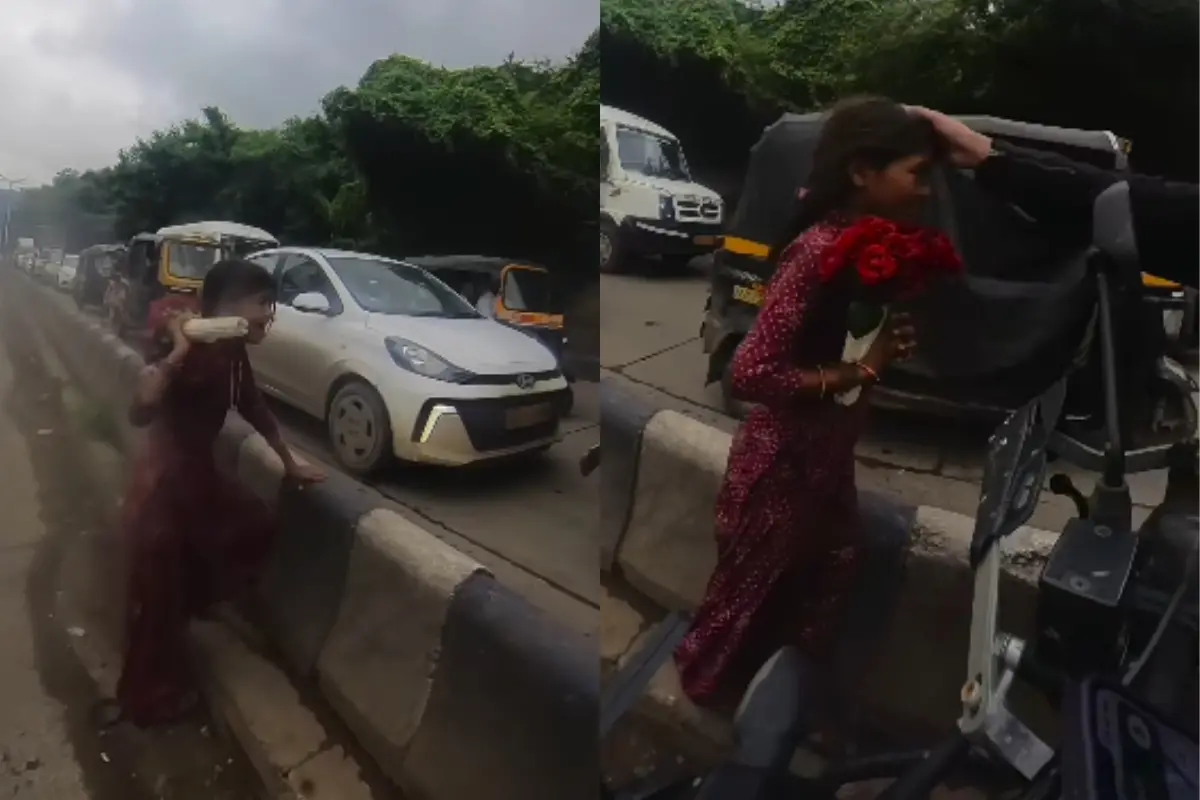
Kota: The video, posted five days ago by Instagram user has triggered a flood of emotional responses across platforms.
It captures a heart-wrenching moment: a young girl, believed to be no older than seven or eight, sitting on a traffic island, crying after an alleged assault by a passing auto-rickshaw driver.
According to the post, the girl had been trying to sell roses to passengers in autos when one driver reportedly slapped her for chasing his vehicle. The video shows Shikhar pulling over and asking the girl what happened. Though she remained silent and visibly shaken, the clip later clarifies that she had been hit by the driver for merely attempting to make a small sale.
Shikhar's caption reads: "She didn’t cry because she didn’t get the money… she cried because the world failed her. An auto driver slapped her for chasing after his auto to sell a rose… I stopped, listened, and tried to comfort her. She refused money—not out of pride, but pain. Let’s be better humans. Be the reason someone believes kindness still exists."
The post has since received thousands of shares, comments, and reactions. Many users condemned the auto driver’s alleged behaviour, calling it unacceptable and cruel. Several netizens called on authorities to identify and take strict action against the perpetrator.
Child rights advocates reminded the public to call the Childline number 1098 in such cases instead of just giving money or purchasing from children on the streets. “Buying things from them won’t change their life. Reporting it can,” wrote one user. Another said the video brought out two strong emotions: anger at the injustice and gratitude that someone at least stopped to care.
While the identity of the girl remains unknown, many are hoping local authorities or child welfare organisations will locate her and provide the support she needs. The video has sparked a much-needed conversation on the daily struggles of children forced into labour and the urgent need for systemic compassion and protection.