What’s in your fruits? FSSAI tightens grip on banned ripening chemicals
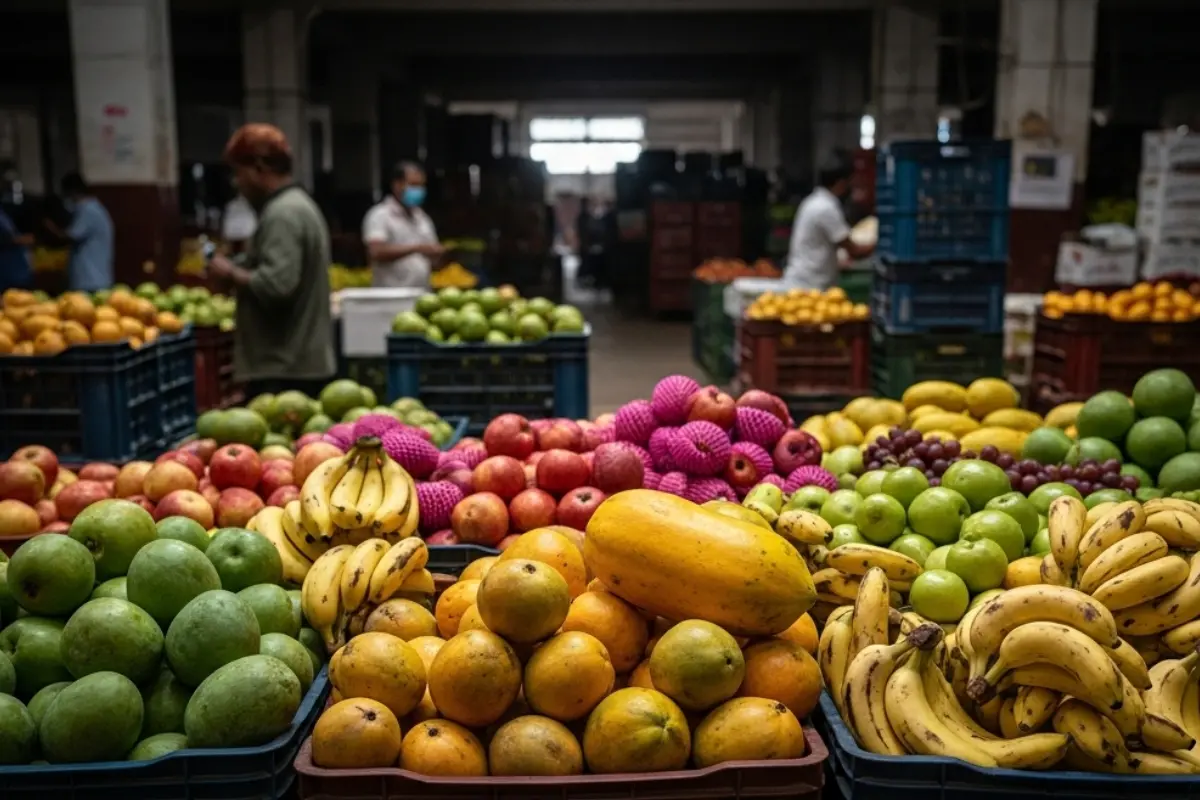
Food regulator FSSAI has directed state food commissioners to intensify inspections across fruit markets, mandis and storage godowns to curb the illegal use of banned and unsafe artificial ripening agents, including calcium carbide and improper use of ethephon.
The Food Safety and Standards Authority of India (FSSAI) said it has received inputs that certain food business operators (FBOs) are continuing unsafe practices to artificially ripen fruits such as mangoes, bananas and papayas, particularly during peak seasonal demand.
What FSSAI has flagged
FSSAI highlighted two major concerns: the use of calcium carbide, commonly referred to as “masala”, and the practice of dipping fruits in ethephon solution. While ethephon can release ethylene gas, which is naturally used for ripening, direct contact or unsafe application methods can lead to harmful chemical residues on fruits.
The regulator said such practices violate food safety regulations and pose a direct risk to consumers.
Why calcium carbide is dangerous
Calcium carbide is strictly prohibited for use in fruit ripening under Indian food safety laws. According to FSSAI, it can contain harmful impurities and release acetylene gas, which can cause serious health issues.
Exposure to calcium carbide or its residues may lead to symptoms such as vomiting, difficulty in swallowing, irritation in the eyes, and skin ulcers. In severe cases, prolonged exposure can also affect the nervous system and overall health.
Concerns over ethephon misuse
FSSAI also warned against the unsafe or excessive use of ethephon, particularly when fruits are directly dipped into chemical solutions. While ethephon is permitted in controlled agricultural use, improper application can leave residues that are unsafe for consumption.
The regulator stressed that only approved methods and regulated concentrations should be used, and direct chemical contact with fruits is not allowed.
Inspection drive across supply chain
FSSAI has instructed state food safety departments to conduct intensive inspections at multiple levels, including wholesale markets, storage facilities, godowns, and fruit distribution networks.
Officials have also been asked to monitor seasonal fruit supply chains closely, where such practices are more commonly reported.
The regulator said enforcement officials may treat the presence of calcium carbide in storage premises or near fruit crates as circumstantial evidence for initiating prosecution against violators.
States have also been advised to conduct special enforcement drives and use field testing methods, including strip paper tests, to detect the presence of harmful gases linked to artificial ripening chambers.
Broader food safety push
FSSAI’s directive is part of a wider effort to strengthen food safety monitoring in India, particularly for fresh produce that reaches consumers without processing.
The regulator has warned that strict action will be taken against food business operators found using banned ripening agents, synthetic colours, wax coatings, or any other non-permitted substances in fruits.