Former Union minister Suresh Kalmadi passes away
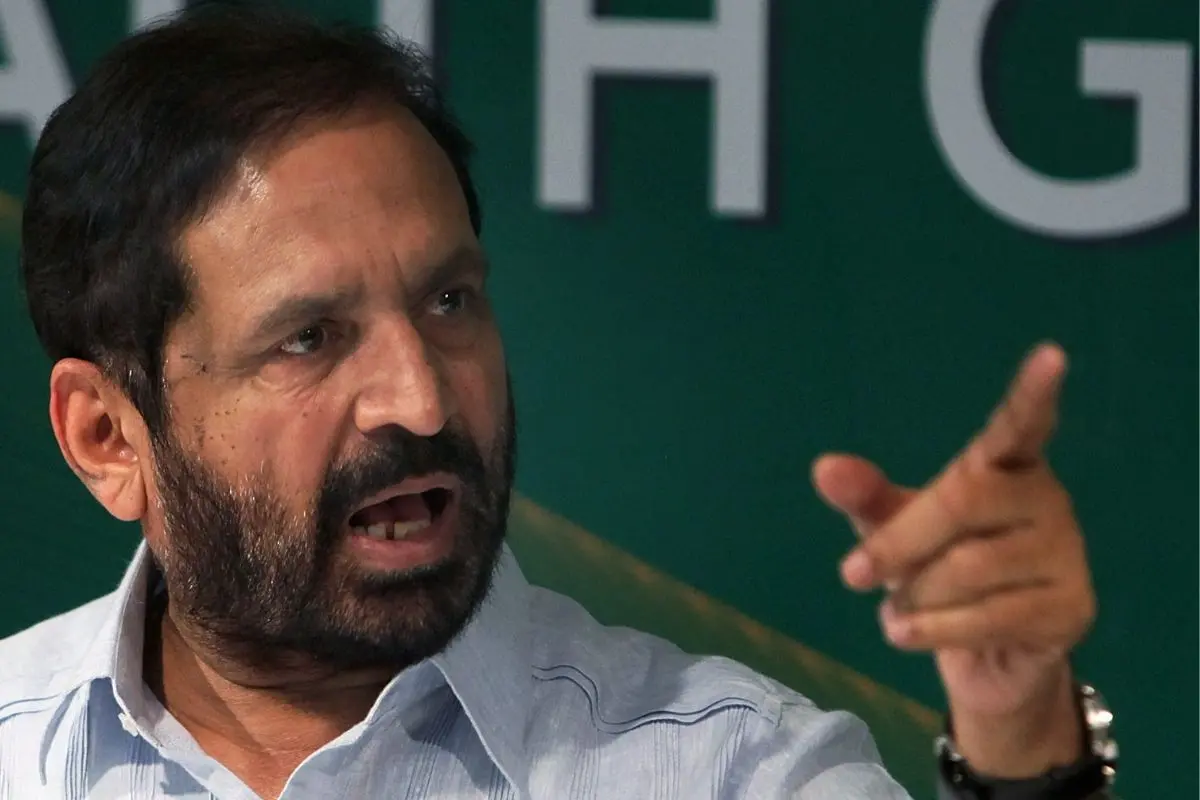
Pune: Former Union minister and senior Congress leader Suresh Kalmadi died in Pune on Tuesday at the age of 81, his family confirmed. The veteran politician had been receiving treatment at Deenanath Mangeshkar Hospital and passed away in the early hours after a brief illness.
Kalmadi, a towering figure in Pune’s political landscape for decades, breathed his last around 3:30 a.m., family sources said.
Kalmadi, a former Member of Parliament from Pune and former Minister of State for Railways, is survived by his wife, a married son, daughter-in-law, two married daughters, son-in-law, and grandchildren.
Public viewing and last rites
An official statement from his office said Kalmadi’s body would be kept for public homage at Kalmadi House in Erandwane until 2 p.m. on Tuesday. His cremation has been scheduled at Vaikunth Smashanbhumi in Navi Peth at 3:30 p.m.
"Former Member of Parliament from Pune, former Union Minister of State for railways, and former President of the Indian Olympic Association, Mr. Suresh Kalmadi (aged 81), passed away in Pune today on Tuesday, 6th January at 3.30 am after a prolonged illness. He is survived by his wife, a married son, daughter-in-law, two married daughters, son-in-law and grandchildren. His mortal remains will be kept at Kalmadi House, Erandwane, Pune till 2 pm and cremation will take place at Vaikunth smashanbhumi, Navi Peth, Pune at 3.30 pm," an official press release said.
Political career
Kalmadi served as Union Minister of State for Railways during Congress rule at the Centre and remained one of the party’s most influential leaders in Pune. He represented the Pune Lok Sabha seat for several terms and was widely regarded for shaping political developments in the city.
Supporters credit him with strengthening the Congress’ base in Pune and leading the party to significant victories in the Municipal Corporation elections of 1992, 1997 and 2002.
Influence in Indian sports
Alongside his political career, Kalmadi played a high-profile role in Indian sports administration. He served as president of the Indian Olympic Association and headed the Organising Committee of the 2010 Commonwealth Games in New Delhi.
However, allegations of large-scale corruption in the conduct of the Games marked a turning point in his career. He was later arrested in connection with the case, which led to a major decline in his political standing. (ANI)