First-time voter registration in India: A simple step-by-step guide
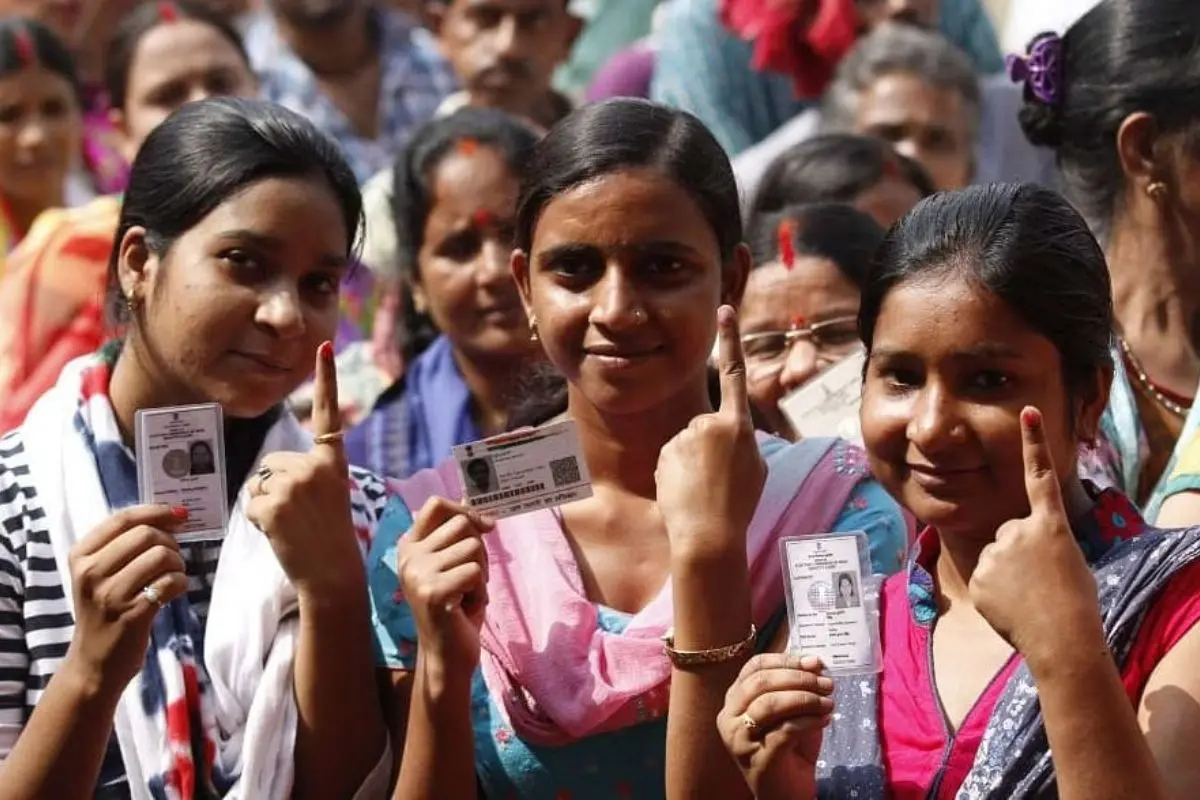
With the Assembly elections 2026 around the corner in several states, many first-time voters may be wondering how to get started.
While voting is a fundamental right, you cannot cast your ballot unless your name is on the electoral roll, and that begins with registration.
The process, once seen as cumbersome and paper-heavy, is now largely digital and far simpler. In about 15 minutes, with basic documents and internet access, eligible citizens can apply online through the Election Commission of India’s official portal.
Who can apply?
To register as a voter, you must be an Indian citizen, at least 18 years old as of the qualifying date (typically January 1 of the year of revision), and ordinarily resident in the constituency where you wish to enrol.
Individuals disqualified under election laws or declared of unsound mind by a competent court are not eligible.
Documents required
Applicants need proof of age, such as Aadhaar, passport, driving licence, or school certificate, and proof of residence, which may include Aadhaar, utility bills, bank passbook, rent agreement, or ration card.
A recent passport-size photograph (under 2 MB), along with a mobile number and email ID for verification, is also required.
Finding your constituency
Your constituency is linked to your place of residence. It can be identified through the Election Commission website or by checking with local municipal authorities.
Where to register
Applications can be submitted via the official portal: voters.eci.gov.in, or through the Voter Helpline mobile app. Authorities caution against using third-party platforms or agents.
Filling the form
First-time voters must fill out Form 6, providing personal details including name, date of birth, gender, and address. Aadhaar details are optional but recommended to ease verification. Accuracy is critical, as errors may delay approval.
Uploading documents and submission
Supporting documents must be uploaded in JPG or PDF format (under 2 MB each), ensuring clarity. After reviewing the application, users receive a reference number to track status.
What happens next?
The application is verified by the Electoral Registration Officer (ERO) and Booth Level Officer (BLO), who may conduct a field visit. After verification, the applicant’s name appears in the draft roll before being included in the final electoral list. A physical voter ID is later delivered, while a digital version (e-EPIC) can be downloaded.
Tracking application status
Applicants can track progress through the portal using their reference number or search their name on electoralsearch.in.
Special cases
Those without address proof in their own name, such as newly married applicants, may use certificates issued by local authorities. Individuals shifting residence can update details through Form 8. Students can register at their place of study, but only one constituency is allowed at a time.
For NRIs
Indian citizens residing abroad can apply using Form 6A, but must be physically present in India on polling day to vote.
Final word
Voter registration is free, quick, and essential for participating in elections. As polling season nears, first-time voters are encouraged to complete the process early and ensure their names appear on the electoral roll.