FCRA Amendment Bill 2026 faces growing opposition: What Mizoram CM, Christian groups want changed
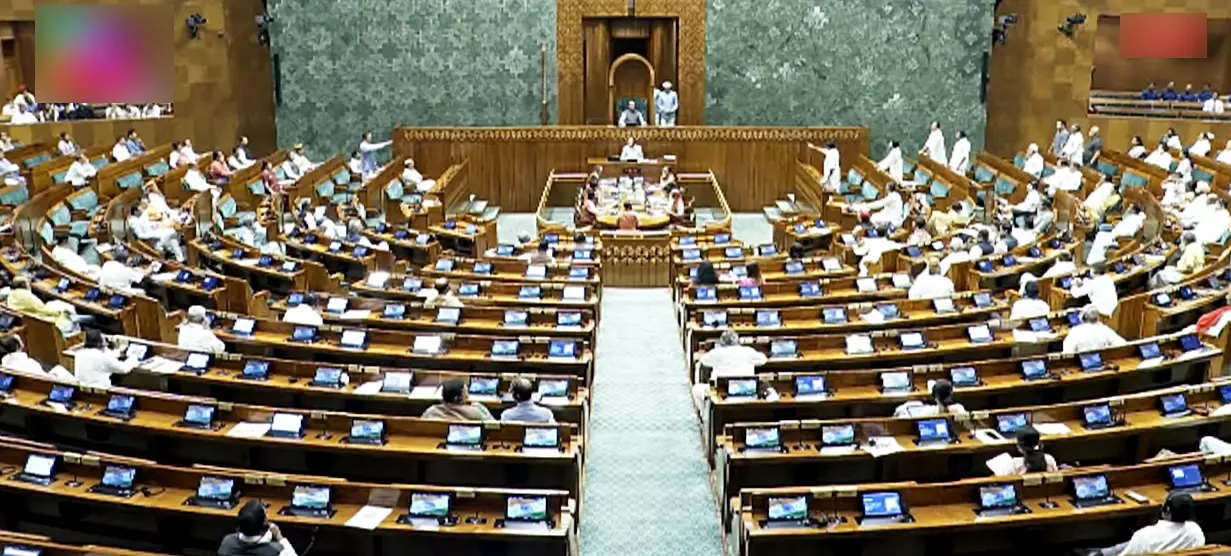
New Delhi: Mizoram Chief Minister Lalduhoma and several leading Christian organisations have urged the Centre to refer the Foreign Contribution (Regulation) Amendment Bill, 2026 to a Joint Parliamentary Committee (JPC), calling for wider consultation and detailed scrutiny before Parliament takes up the proposed legislation.
The demand comes ahead of the Bill's expected discussion in the last week of the ongoing Monsoon session of Parliament. The legislation, introduced in the Lok Sabha on March 25, proposes changes to the regulatory framework governing foreign contributions received by organisations in India.
Christian organisations have raised concerns over provisions they say could create operational difficulties for charitable and grassroots institutions, while also seeking greater clarity on proposed mechanisms relating to the regulation and cessation of organisations receiving foreign funds.
What is the FCRA Amendment Bill 2026?
The Foreign Contribution (Regulation) Act, or FCRA, governs the receipt and use of foreign contributions by organisations in India.
The FCRA Amendment Bill, 2026, was introduced in the Lok Sabha on March 25. With the legislation expected to come up for discussion during the final week of the Monsoon session, several Christian bodies and leaders have called for it to first undergo detailed parliamentary examination.
Their central demand is that the Bill be referred to a JPC, allowing representatives and stakeholders to examine its provisions and submit their concerns and suggestions before the legislation is finalised.
Why have Christian organisations raised concerns?
The latest opposition follows the Centre's notification of amended FCRA rules on June 22 governing the receipt of foreign funds.
Under the amended rules, non-governmental organisations seeking to receive foreign contributions are required to select purposes and areas of operation from a predefined list. While the rules allow several faith-based activities, proselytisation has been explicitly excluded from several categories eligible for registration under the FCRA.
The Catholic Bishops' Conference of India (CBCI) has sought the withdrawal of the proposed legislation as well as the newly notified rules.
Most Rev. Anil Joseph Thomas Couto, Archbishop of Delhi and Secretary General of the CBCI, said the Catholic Church has historically contributed to education, healthcare and humanitarian services across the country, irrespective of caste and creed.
While affirming support for financial transparency and national security, Couto said some of the proposed provisions could create operational challenges for genuine grassroots charitable organisations, including faith-based organisations.
The CBCI has called for the Bill to be referred to a JPC for detailed examination and structured dialogue with civil society stakeholders.
Lalduhoma meets Amit Shah over FCRA Bill
Mizoram Chief Minister Lalduhoma has also joined the demand for a JPC review.
Lalduhoma said the proposed legislation is currently under consideration by the Union government and urged it to refer the Bill to a JPC so that concerns and suggestions from different regions and stakeholders can be examined before the legislation is finalised.
He said he recently met Union Home Minister Amit Shah in New Delhi along with leaders of the Mizoram Kohhran Hruaitu Committee (MKHC) and the Council of Churches in Mizoram (CCM), which represent various Christian denominations in the state.
According to Lalduhoma, the delegation submitted a memorandum to the Union Home Ministry outlining its concerns over specific provisions of the proposed law.
In a Facebook post, the Mizoram chief minister appealed to the Centre to refer the Bill to a JPC "in the spirit of democratic consultation", expressing hope that the request would be considered in the interest of inclusive and transparent policymaking.
NCCI seeks more time for consultation
The National Council of Churches in India (NCCI) has separately asked the Centre to hold back passage of the Bill until stakeholders are given an opportunity to examine its provisions and suggest changes.
In a video message on X, NCCI General Secretary Asir Ebenezer said representatives of the Christian community had submitted several representations to the Centre, with the latest submitted to Home Minister Amit Shah on August 6.
Ebenezer urged Shah to recommend that the Bill not be passed until stakeholders have been given a fair opportunity to contribute to a regulatory framework that ensures accountability for both registered organisations and the regulatory authority.
He specifically raised concerns over provisions relating to cessation and the proposed vesting mechanism, including questions over how the vesting authority would be constituted and operated.
Ebenezer also called for administrative and judicial review mechanisms to be incorporated into the proposed system.
He said this would give the government an opportunity to amend what he described as "vexed issues" relating to the 2010 Act, while reiterating the NCCI's commitment to a transparent and fair regulatory framework.
More Christian leaders call for parliamentary scrutiny
The demand for greater scrutiny has been echoed by several other Christian leaders and organisations.
Richard Howell, chairman of the National Church Mission Association, appealed to Parliament to refer the Bill to a standing committee. He stressed that institutions serving vulnerable sections of society take generations to build and urged Parliament to ensure that civil society organisations and community voices are heard before the legislation is finalised.
All India Christian Council President Joseph D'Souza has called for the withdrawal of the Bill and its referral to a JPC, describing such a move as the "sensible way" forward. He also said the proposed legislation had triggered a strong reaction among sections of the Christian community in India and overseas.
The Centre's response to these requests and the manner in which the proposed legislation is taken forward will determine the next stage of the FCRA amendment process.
With PTI inputs