Maha Kumbh Mela 2025: All you need to know about the world's largest gathering
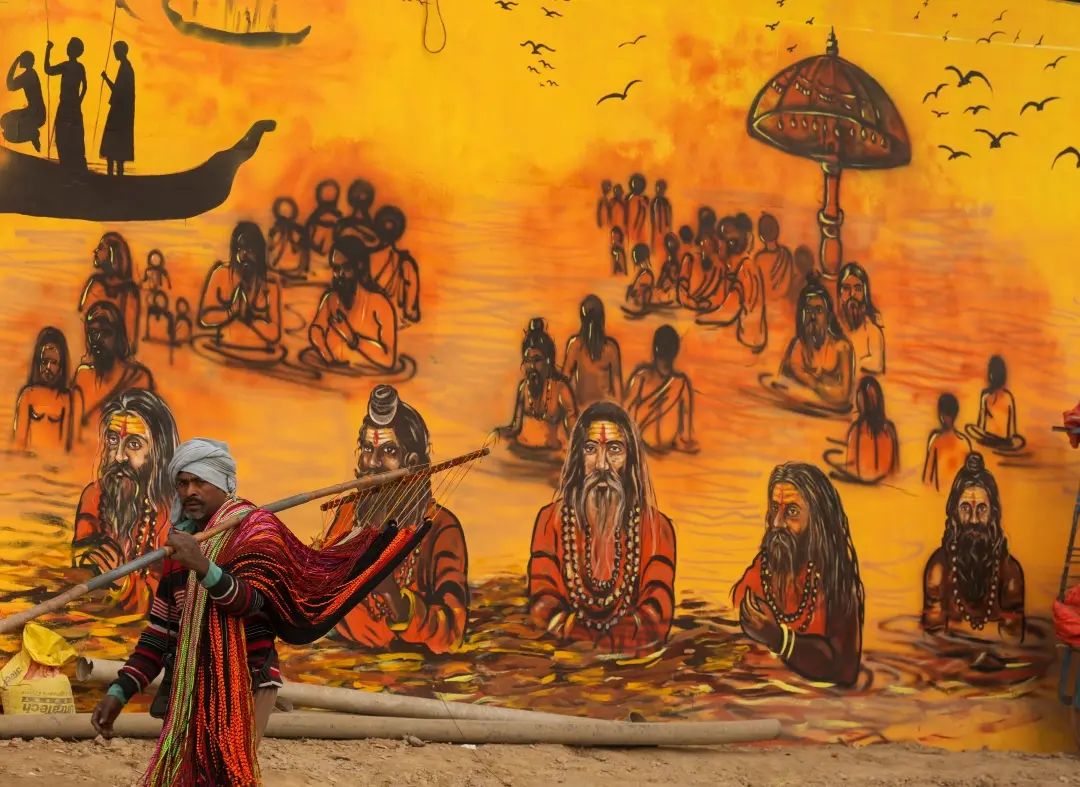
The Maha Kumbh Mela, a once-in-a-lifetime event, is set to begin on 13 January, 2025, in Prayagraj. With over 40 crore people expected to attend, this six-week-long festival is the world’s largest human gathering, bringing together devotees from across India and the globe to partake in spiritual rituals at the confluence of the sacred Ganga, Yamuna, and Saraswati rivers.
What is Kumbh Mela?
The Kumbh Mela is a major Hindu religious festival held at four sacred locations in India: Prayagraj, Haridwar, Ujjain, and Nashik. The Maha Kumbh, considered the most auspicious, is marked by a rare alignment of celestial bodies and draws the largest crowds. The event is rooted in Hindu mythology and marks the mythical churning of the ocean (Sagar Manthan), during which drops of the nectar of immortality fell at these sites, making them sacred.
Devotees believe that bathing in the holy rivers during the Kumbh Mela absolves them of sins and brings salvation (moksha). The Shahi Snaan, or royal bath, is the highlight, where thousands of saints and pilgrims take a dip in the freezing waters in a grand procession. The festival is also a time for spiritual reflection and connection to divine energies.
The Kumbh Mela attracts not only millions of Hindu devotees but also tourists, celebrities, and religious leaders from around the world. Notable figures such as Richard Gere and the Dalai Lama have attended in the past. In 2017, it was added to UNESCO’s Intangible Cultural Heritage list, cementing its global cultural importance.
Preparing for the Maha Kumbh Mela 2025
The event is expected to span from January 13 to February 26, 2025. To ensure smooth operations, authorities have set up vast infrastructure, including over 150,000 temporary tents, sanitation facilities, and security measures. The site will also feature modern amenities like drones for surveillance and AI-powered safety systems.
Key bathing dates
January 13: Paush Purnima
January 14: Makar Sankranti (First Shahi Snaan)
January 29: Mauni Amavasya (Second Shahi Snaan)
February 3: Basant Panchami (Third Shahi Snaan)
February 12: Maghi Purnima
February 26: Maha Shivratri (Final Snan)
Travel, accommodation tips
To manage the influx of pilgrims, Indian Railways will run over 13,000 trains, including special services, to connect Prayagraj with key cities. Security is a priority, with 2,300 CCTV cameras in place to monitor crowd movement. Pilgrims are advised to secure accommodations in advance and bring necessary items such as warm clothing, umbrellas, and identification cards.
Throughout the Kumbh Mela, a variety of rituals take place, including the grand Peshwai procession of the akharas, fire ceremonies (Yajnas), and the sacred bathing rituals. The Naga Sadhus, with their distinctive ash-covered bodies, lead the Shahi Snaan, creating a remarkable spectacle of devotion and spiritual fervor.
Given the massive scale of the event, crowd management remains a concern. In the past, tragic stampedes have occurred, prompting authorities to implement stringent safety measures, including enhanced security, medical facilities, and volunteer-run lost-and-found camps.
Essence of Kumbh: A timeless spiritual journey
The Kumbh Mela is more than just a religious event; it is a powerful spiritual journey that unites millions in devotion and faith. Whether you are visiting for the first time or returning to renew your spirit, the Maha Kumbh Mela promises an unforgettable experience—one that celebrates India's deep-rooted religious traditions, the power of human connection, and the quest for salvation.
Key takeaways
The Maha Kumbh Mela 2025 will take place from January 13 to February 26 in Prayagraj.
This event draws over 40 crore people, making it the largest human gathering in the world.
Spiritual rituals, including the Shahi Snaan, will occur on six auspicious bathing days.
Millions of people visit to cleanse their souls, seek salvation, and witness the divine spectacle of the Naga Sadhus and grand processions.
Authorities are putting in place massive infrastructure, enhanced security, and safety measures to manage the event.