More heat, less rain? El Nino weather threat looms over India in 2026
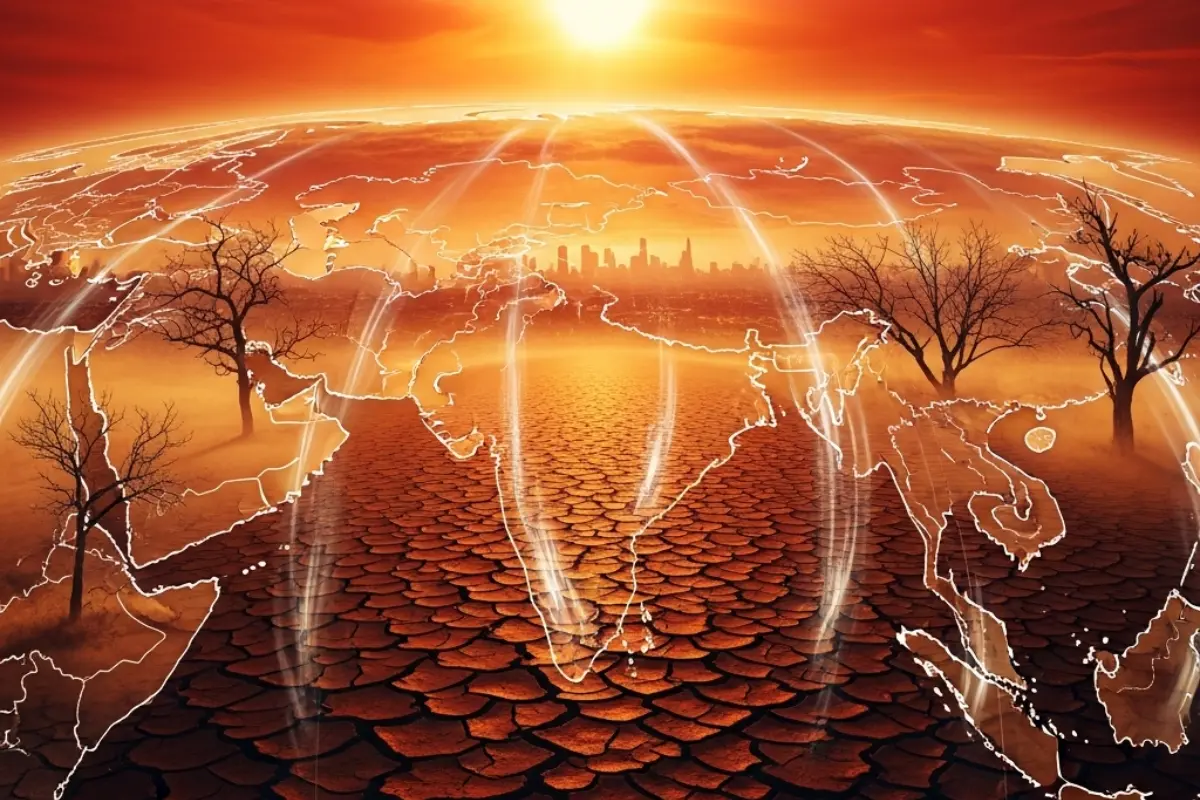
Early climate signals are raising concern for India’s 2026 weather outlook, with global agencies warning that a possible return of El Niño could disrupt the monsoon and push temperatures higher across the country.
What is El Nino?
El Niño is a natural climate phenomenon in which sea surface temperatures in the central and eastern Pacific Ocean become warmer than normal. It is part of the broader El Niño–Southern Oscillation (ENSO), which includes three phases: El Niño (warm), La Niña (cool), and neutral conditions.
Even though the temperature change occurs in the Pacific, it disrupts global wind systems and rainfall patterns, influencing weather across continents.
WMO warning and global outlook
The World Meteorological Organization (WMO) has indicated that current neutral conditions may shift towards El Niño between May and July 2026. Climate models suggest a high probability of its formation, with potential strengthening later in the year.
Experts note that while forecasts at this time face some uncertainty, confidence improves after April. Early indications suggest that 2026 could see above-normal temperatures in several regions globally.
How El Nino affects weather
When El Niño develops, it alters how heat and moisture circulate around the planet. This can lead to:
- Higher global temperatures
- Shifts in rainfall patterns
- Increased likelihood of extreme weather events
Some regions may experience drought-like conditions, while others could see heavier rainfall.
Impact on India’s monsoon
India is particularly sensitive to El Niño because of its influence on the monsoon. The India Meteorological Department (IMD) has indicated that the 2026 southwest monsoon could be below normal, estimated at around 92% of the long-period average.
In India, El Niño years are often associated with:
- Weaker overall monsoon rainfall
- Uneven rain distribution
- Longer dry spells
- Increased risk to agriculture
Since a large part of India’s farming depends on rainfall, even a modest drop can affect crop output and rural incomes.
Heat and water concerns
El Niño conditions are also linked with higher temperatures. If the event strengthens, India could face:
- More intense and prolonged heatwaves
- Increased water stress in several regions
- Pressure on electricity demand due to cooling needs
Himalayan snow adds to the risk
Another concern is reduced snow cover in the Hindu Kush Himalaya region. Reports indicate snow levels are significantly below average, affecting major river systems like the Ganga, Indus, and Brahmaputra.
Lower snow reserves reduce water availability during summer months, increasing the risk of drought and affecting irrigation and drinking water supply.
What it means for 2026 weather
If current forecasts hold, India could face a combination of weaker monsoon rainfall, higher temperatures, and water-related challenges. While El Niño is a natural cycle, scientists warn that climate change may intensify its impacts, making weather extremes more severe.