DRDO unveils cutting-edge MP-AUVs: India's AI-powered solution to naval mine countermeasure gaps | WATCH
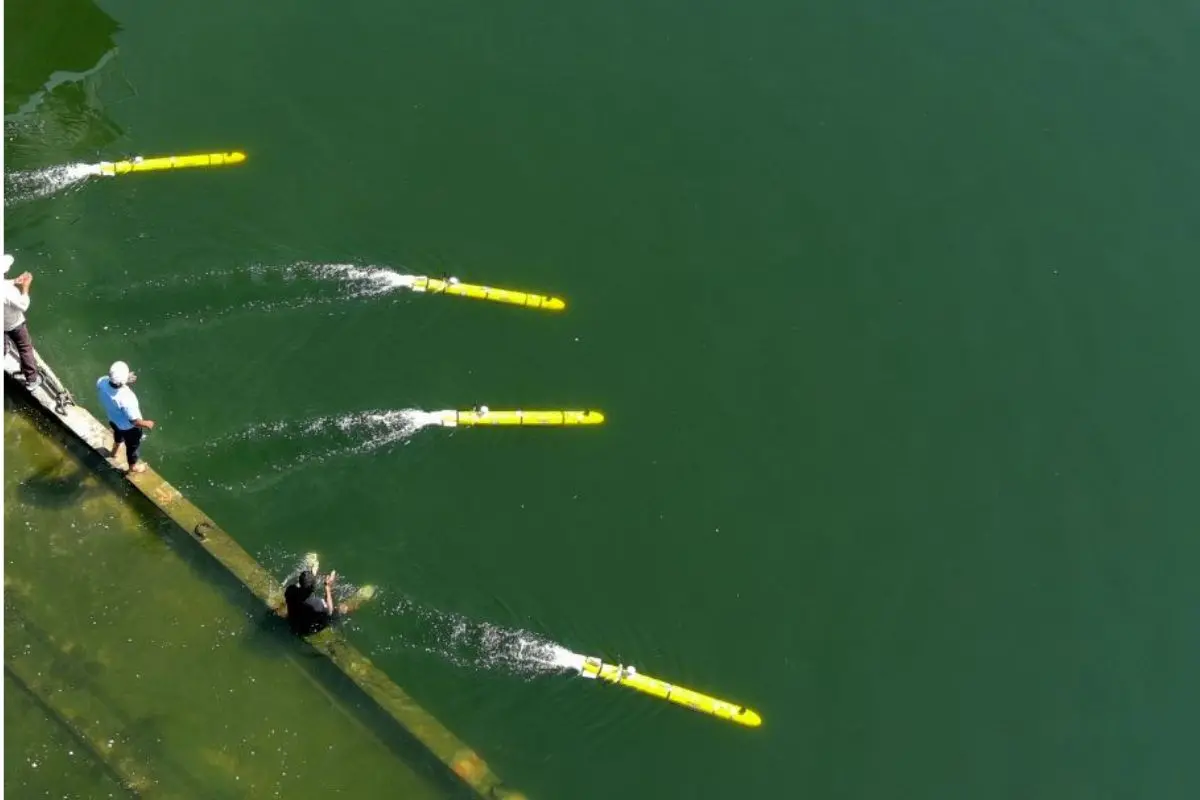
New Delhi: Defence Research and Development Organisation (DRDO) has unveiled a cutting-edge generation of man-portable autonomous underwater vehicles (MP-AUVs) engineered to transform India's naval mine countermeasure capabilities. Developed by DRDO's Naval Science & Technological Laboratory (NSTL) in Visakhapatnam, these advanced systems are poised to address critical maritime security challenges amidst growing regional naval threats.
The MP-AUVs are equipped with sophisticated side-scan sonar and underwater cameras as primary payloads, enabling real-time detection and classification of mine-like objects with high precision. Leveraging AI-powered deep learning target recognition algorithms, the vehicles autonomously identify potential mines, greatly reducing operator workload and accelerating mission timelines. A robust underwater acoustic communication system enhances inter-vehicle data exchange, boosting situational awareness for coordinated missions.
This breakthrough comes at a crucial time as the Indian Navy faces a capability gap in mine warfare, following the phased retirement of earlier minesweepers. With increased submarine activity by China and Pakistan in the Indian Ocean Region, safeguarding maritime routes from mine threats is paramount. The Defence Acquisition Council’s approval of 12 new mine countermeasure vessels, worth approximately Rs 44,000 crore, will complement the deployment of these MP-AUVs to fortify naval defence.
Dr Samir V. Kamat, Secretary of Defence R&D and DRDO Chairman, hailed the development as a "major milestone" towards an intelligent, networked mine countermeasure solution offering rapid response with reduced operational risk and footprint. Having successfully completed field trials validating critical system parameters, the MP-AUVs are expected to enter production within the coming months, engaging multiple industry partners in scaling up.
This strategic innovation not only fills a vital defence gap but also aligns with India's push towards technological self-reliance and modern naval warfare capabilities, strengthening security in the complex maritime domain.