Diwali 2024: Date, history, customs, and how to celebrate with family and friends
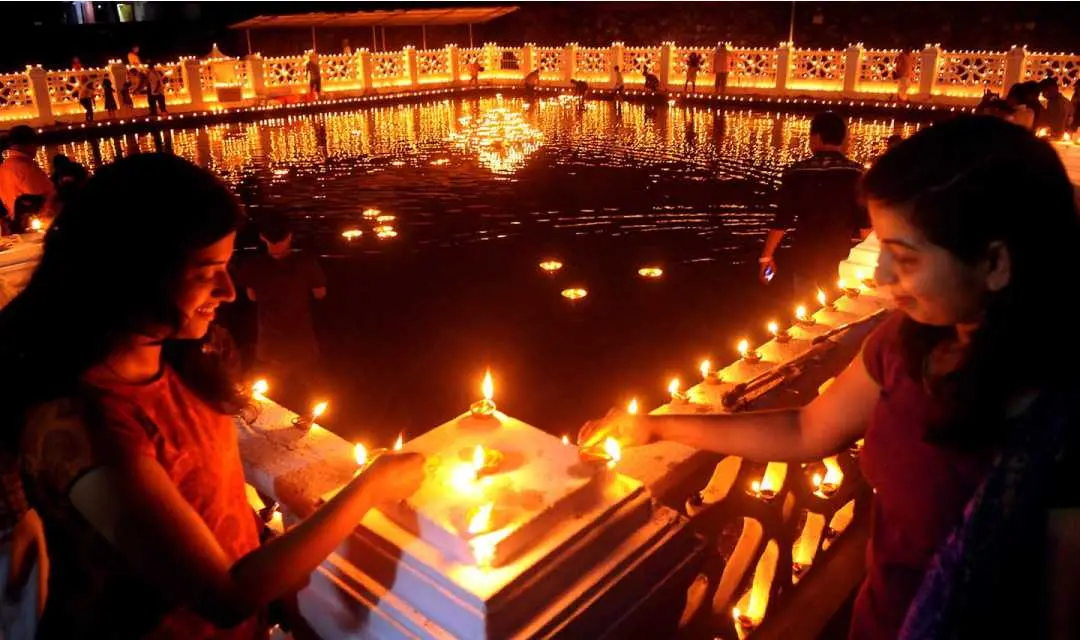
Diwali, also known as the Festival of Lights, is one of the most widely celebrated festivals in India and across many parts of the world. This joyous occasion lasts for five days and symbolises the victory of light over darkness, good over evil, and knowledge over ignorance. Diwali celebrations begin with Dhanteras and conclude with Bhai Dooj.
In 2024, Diwali falls on Friday, November 1, and is celebrated with grand enthusiasm by millions of people worldwide. Below is a detailed guide to Diwali 2024, its significance, history, and how to celebrate it.
When is Diwali celebrated in 2024?
Diwali is celebrated during the Hindu lunar months of Ashvin and Kartika, typically between mid-October and mid-November. According to the Hindu calendar, Diwali is observed on Amavasya (the new moon), which is the fifteenth day of Kartika. In 2024, Diwali will be celebrated on November 1.
Other important dates for Diwali 2024:
- Dhanteras: October 29, 2024
- Choti Diwali: October 31, 2024
- Govardhan Puja: November 2, 2024
- Bhai Dooj: November 3, 2024
Why is Diwali celebrated?
Diwali is celebrated as a symbol of victory—the triumph of light over darkness and good over evil. This festival holds deep cultural and spiritual meaning in the Hindu scriptures.
The legend most associated with Diwali is the return of Lord Ram to his kingdom of Ayodhya after defeating the demon king Ravan. As per ancient Hindu scriptures, the people of Ayodhya welcomed Lord Ram, Mata Sita, and Laskman by lighting diyas (earthen lamps) and decorating their homes with colourful rangolis.
History and significance of Diwali
The origins of Diwali can be traced to multiple stories in Hindu mythology. The most famous one is about Lord Ram's victorious return after 14 years of exile. Another significant story is related to Lord Krishna and his defeat of the demon Narakasur.
The lighting of diyas symbolizes the dispelling of darkness and ignorance, while the fireworks signify a celebration of victory and joy. Diwali is also a time to worship Goddess Lakshmi for prosperity and Lord Ganesh for removing obstacles.
The five days of Diwali festival
Day 1: Dhanteras (October 29, 2024)
The first day of Diwali is known as Dhanteras, a day dedicated to worshipping Goddess Lakshmi and Lord Kuber. People pray for wealth and prosperity and purchase gold, silver, or new household items to bring good fortune.
Day 2: Naraka Chaturdashi or Choti Diwali (October 31, 2024)
The second day is known as Naraka Chaturdashi or Choti Diwali. This day marks the victory of Lord Krishna over the demon Narakasur. It is a day to cleanse homes and minds, preparing for the grand celebrations ahead.
Day 3: Diwali (November 1, 2024)
The main Diwali celebration happens on the third day. This day commemorates Lord Ram’s return to Ayodhya. Homes are beautifully decorated with diyas, rangolis, and lights, while people offer prayers during Lakshmi Puja and Ganesh Puja for wealth, happiness, and prosperity.
Day 4: Govardhan Puja (November 2, 2024)
On the fourth day, Govardhan Puja is performed to honour the day Lord Krishna lifted the Govardhan Mountain to protect the people of Mathura from heavy rainfall caused by Lord Indra. Devotees prepare a variety of items as offerings to God.
Day 5: Bhai Dooj (November 3, 2024)
The fifth and final day of Diwali is Bhai Dooj, which celebrates the bond between brothers and sisters. On this day, sisters pray for the well-being of their brothers, and brothers offer gifts in return.
How to celebrate Diwali: Traditions and customs
- Lighting diyas and rangoli: Lighting diyas is a central part of Diwali. It symbolizes the victory of light over darkness. Rangoli, colorful patterns made from powders, flowers, or rice, adorn the entrances of homes, welcoming visitors and spreading positive energy.
- Bursting fireworks: Fireworks are another major part of the Diwali celebrations. The dazzling lights of firecrackers illuminate the night sky, adding to the festive mood. However, it is essential to be mindful of environmental concerns while using crackers.
- Exchanging gifts and sweets: Diwali is a time to express love and gratitude. Families exchange gifts, sweets, and new clothes as a way to strengthen relationships and spread joy. Mithai (sweets) like laddus, barfis, and gulab jamuns are commonly shared.
- Worship and rituals: Diwali is incomplete without the Lakshmi Puja, performed to seek the blessings of Goddess Lakshmi for wealth and abundance. Lord Ganesh is also worshipped during this puja to remove obstacles and ensure a prosperous year ahead.
Tips for celebrating Diwali in an eco-friendly way
As fireworks contribute to pollution, consider celebrating Diwali more sustainably:
- Use eco-friendly diyas and lights.
- Opt for natural colours for rangolis.
- Limit the use of crackers or choose green crackers to reduce environmental impact.
Diwali 2024 is a time to come together with loved ones and celebrate the values of togetherness, gratitude, and the triumph of light over darkness. By following the traditions and customs of Diwali, you can spread joy, positivity, and prosperity in your life and the lives of others.