‘Kidnapped’: Dhruv Rathee explains what happened on CJP protest day
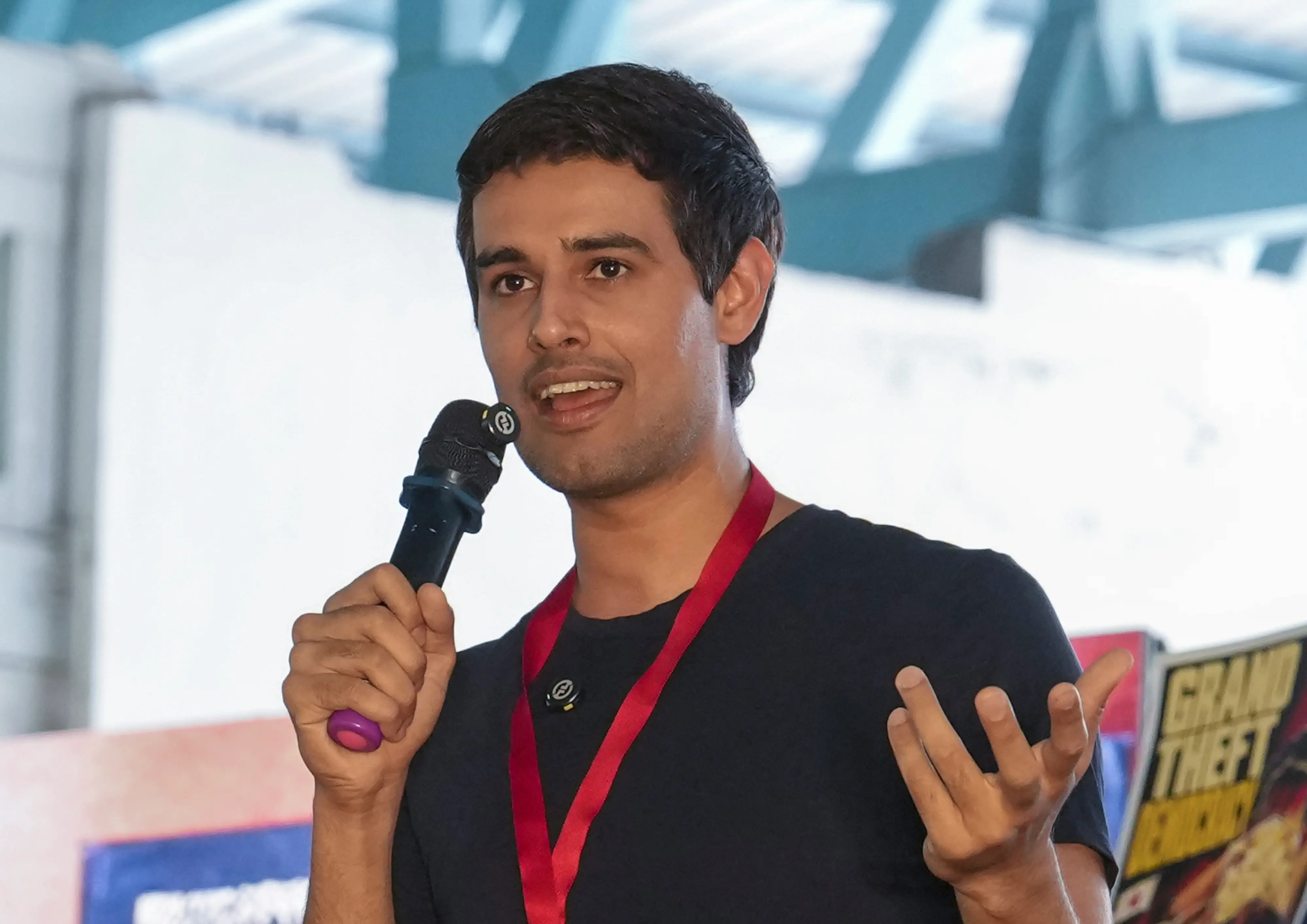
New Delhi: YouTuber Dhruv Rathee has posted a video on social media after being released from detention, alleging that he was “kidnapped” from his Gurugram residence and held for nearly 23 hours. Rathee claimed that people in plain clothes entered his home, took him away without explaining the legal grounds and denied him access to his lawyer and phone. Delhi Police had detained him on October 10 ahead of the Cockroach Janta Party’s (CJP) planned protest in Delhi.
‘I was not arrested or detained, I was kidnapped’: Dhruv Rathee
In a post on X on Sunday, October 11, Rathee wrote, “I was not arrested or detained, I was KIDNAPPED.” He shared a video in which he described his account of the events leading to his detention and thanked people for their support.
Rathee said around 20 people entered his house at approximately 7 am on October 10 while he was asleep. He alleged that the individuals, whom he said were in plain clothes, entered his bedroom and dragged him out before taking him away in a vehicle.
According to Rathee, he was not given an opportunity to understand the legal grounds for the action or contact a lawyer. He also alleged that his parents’ phones were taken away and that he was denied phone access and a meeting with his lawyer while being held.
Rathee said he sustained injuries during the incident, claiming that he was dragged from his bedroom and taken downstairs without being allowed to wear slippers.
These are allegations made by Rathee in his video. The account has not been independently established in the information provided.
Rathee asserts Indian citizenship
In the video, Rathee displayed his passport and asserted that he was an Indian citizen. He rejected what he described as rumours about his citizenship and said he was entitled to the same rights as other citizens.
He also alleged that he was being watched by people stationed around his residence following his release and described the situation as an unofficial house arrest.
Rathee criticised the action as an attack on democratic freedoms and accused the government of suppressing dissent. He invoked the Emergency and compared the situation to authoritarian rule. These were his political characterisations.
Why was Dhruv Rathee detained?
Rathee was detained from his residence in Sector 56, Gurugram, on Saturday as Delhi Police stepped up security ahead of the CJP protest at Jantar Mantar.
The demonstration had been planned to demand the resignation of Chief Election Commissioner Gyanesh Kumar over alleged irregularities associated with the Special Intensive Revision (SIR) of electoral rolls.
Rathee was released late on Saturday night, according to a police official cited by PTI. A police source said further detention or legal action could follow if he attempted to reach Jantar Mantar despite prohibitory orders.
Police sources also said more than 7,000 protesters were detained at various locations during the security operation. Several Opposition leaders, including former chief ministers Arvind Kejriwal, Mamata Banerjee, Pinarayi Vijayan and Manik Sarkar, were also detained while attempting to join the protest.
CJP leaders Abhijeet Dipke, Ashutosh Ranka and Saurav Das were separately detained after arriving at the airport.
Rathee warns against restrictions on dissent
In his video, Rathee argued that his detention and the action against other protesters raised concerns about the ability of citizens to express dissent. He said people should consider the wider implications of such incidents, regardless of their personal views about him.
He also criticised Prime Minister Narendra Modi and alleged that the country was moving towards authoritarianism. His remarks came amid wider political and legal disputes over the restrictions imposed ahead of the CJP protest.
Police, meanwhile, had cited prohibitory orders and security concerns surrounding the planned demonstration. The competing claims about the circumstances of Rathee’s detention and the legality of the wider police operation remain matters requiring verification and, where challenged, legal scrutiny.
What is at the centre of the controversy?
The central dispute concerns the circumstances in which Rathee was taken from his home, the legal basis for the action and the access he says he was denied while in custody.
Rathee has described the incident as a kidnapping, while police accounts reported by PTI describe him as having been detained. These terms carry different legal implications, and Rathee’s allegations should not be treated as a formal legal finding without further evidence.
The incident also forms part of a wider controversy over preventive policing in Delhi ahead of the CJP demonstration. The detention of political leaders, activists and other protesters, alongside restrictions on public transport, has prompted legal challenges concerning public order and the right to peaceful assembly.
Establishing what happened at Rathee’s residence would require evidence such as official detention records, the legal grounds cited by the authorities, witness accounts and any available CCTV footage. Until such evidence is examined, his allegations and the police account should be clearly distinguished.