DGCA orders Air India to reinspect Boeing 787 jets after repeated RAT deployment
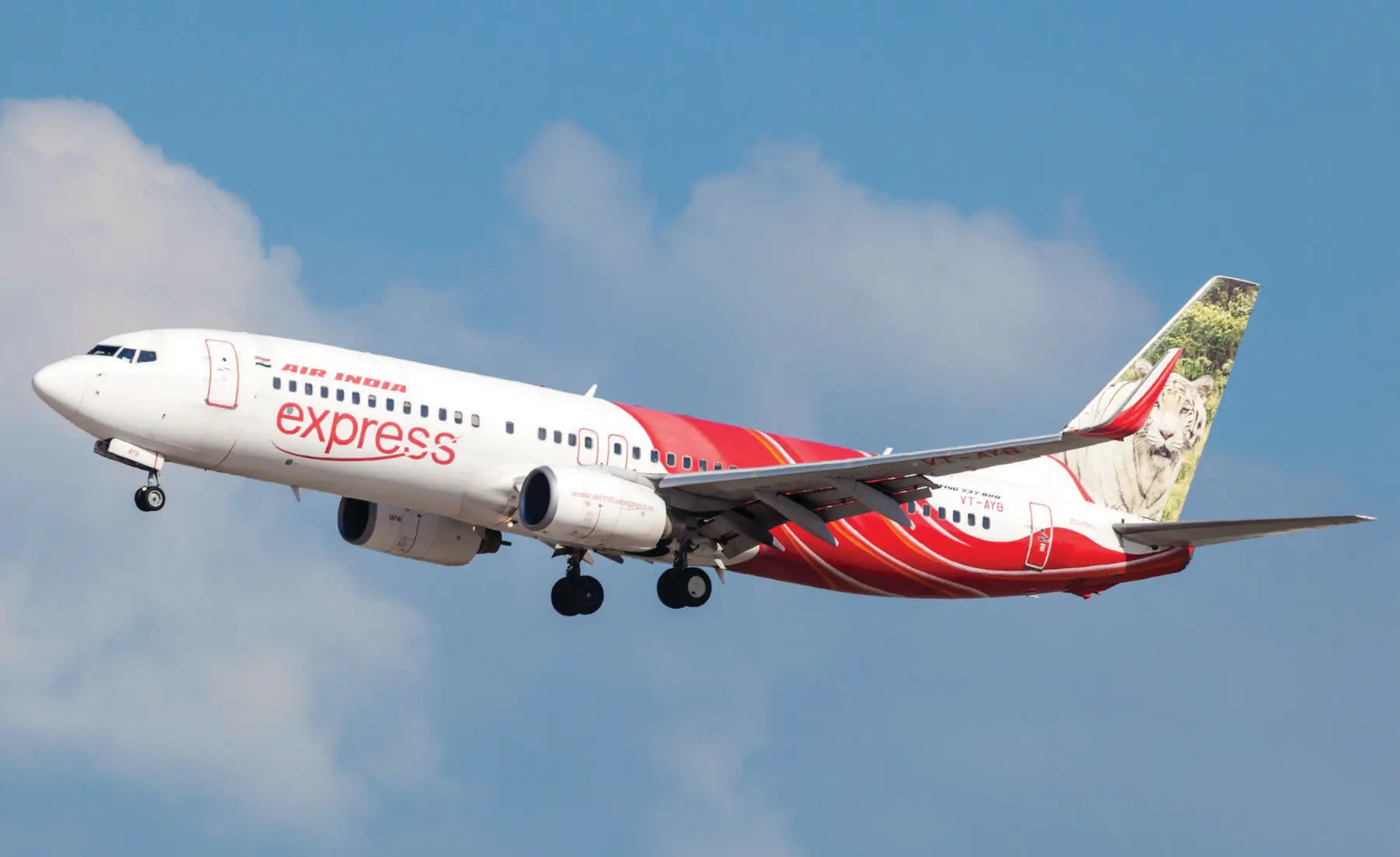
The Directorate General of Civil Aviation (DGCA) has directed Air India to carry out a detailed inspection of the Ram Air Turbine (RAT) system on several of its Boeing 787 Dreamliner aircraft. The move follows two recent technical incidents involving uncommanded deployment of the RAT, a critical emergency power source, during flight operations.
The regulator has asked the airline to reinspect the RAT installation and stowage on all Boeing 787 aircraft where the Power Conditioning Module (PCM) was replaced recently. At the same time, DGCA has sought a comprehensive report from Boeing outlining preventive measures and global data related to similar RAT deployment incidents on 787 aircraft worldwide.
One week, two technical glitches?
The directive comes in the wake of two back-to-back technical events involving Air India’s Boeing 787s earlier this month.
On October 4, the RAT was unexpectedly deployed on flight AI-117 operating from Amritsar to Birmingham while the aircraft was preparing to land. Despite the sudden deployment, the flight landed safely, and no abnormalities were reported by the pilots. DGCA officials said the aircraft underwent Boeing-recommended maintenance checks following the incident and was cleared for service after no discrepancies were found.
Just five days later, on October 9, another Boeing 787 operating AI-154 from Vienna to Delhi was diverted to Dubai after experiencing what the airline described as a “technical issue.” However, a detailed letter from the Federation of Indian Pilots (FIP) to the Civil Aviation Minister revealed that the aircraft suffered “failures across multiple critical systems,” including the autopilot, Instrument Landing System (ILS), and flight directors, forcing the crew to manually fly the aircraft at night. The flight landed safely in Dubai.
What is a Ram Air Turbine (RAT)?
The RAT is an emergency power system designed to deploy automatically when an aircraft loses both engine power or faces a total electrical or hydraulic failure. It uses airflow generated by the aircraft’s forward motion to produce essential power required to control and navigate the aircraft safely until normal systems are restored.
DGCA said that Air India’s RAT deployment incidents were “uncommanded”, meaning the system activated even though there was no actual emergency. Such false deployments could indicate underlying issues with components like the Power Conditioning Module (PCM), which regulates and distributes electrical power across aircraft systems.
A senior DGCA official confirmed that Air India has been instructed to review its ‘D-check’ work packages, the most detailed form of aircraft maintenance, to identify any potential discrepancies linked to PCM replacement. Boeing has also been asked to share any service difficulty reports or technical bulletins related to RAT or PCM issues reported by other airlines operating the Boeing 787 worldwide.
“Air India has been advised to reinspect the RAT stowage for all aircraft where the PCM module was replaced recently. Further investigation is in progress,” the official said.
DGCA’s letter to Boeing seeks details of preventive measures being developed and data on similar uncommanded RAT deployment incidents globally, as mentioned in Boeing’s 787 Fleet Team Digest.
Air India has clarified that there was no electrical failure on the Vienna–Delhi flight diverted to Dubai, stating that the diversion was a precautionary measure due to a technical malfunction. However, the Federation of Indian Pilots has expressed concern over the recurring technical events, urging the government to temporarily ground Air India’s entire Boeing 787 fleet and conduct a special safety audit of the airline’s maintenance and operational practices.
The pilots’ bodies argued that such incidents highlight possible lapses in maintenance oversight and component reliability, which must be addressed urgently to ensure flight safety.
The latest developments come against the backdrop of heightened safety scrutiny following the June 12 crash of an Air India Boeing 787-8 operating flight AI-171 from Ahmedabad to London Gatwick, which claimed the lives of all 260 people onboard. Preliminary investigations in that crash also pointed to RAT deployment during the initial climb phase.
With repeated occurrences involving the same aircraft type, regulators and aviation experts are urging stronger coordination between Air India, Boeing, and DGCA to identify root causes and prevent future incidents.
DGCA is expected to review Boeing’s findings before deciding on further regulatory actions. Meanwhile, Air India has begun reinspection of its affected Boeing 787s and has assured full cooperation with the regulator.