Delhi’s waste-to-energy plants choke nearby residents as pollution rules bypass them
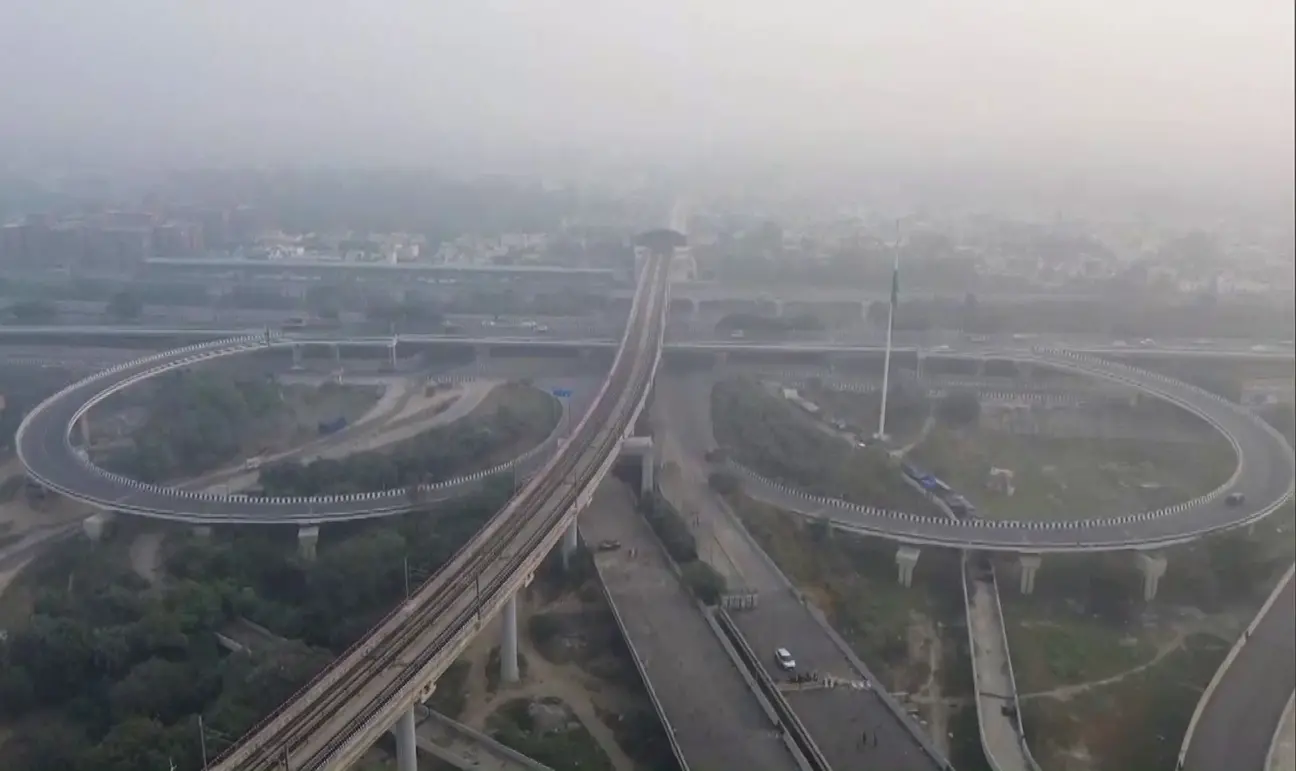
New Delhi: In Delhi, neighbourhoods surrounding waste-to-energy (WTE) plants such as Okhla, Ghazipur, Narela-Bawana, and Tehkhand are struggling with persistent air pollution that severely affects residents’ health and daily life.
These plants burn thousands of tonnes of municipal waste each day to generate electricity, but in the process, they release toxic pollutants that remain largely unregulated, even during high-pollution days, as they are excluded from emergency control measures like the Graded Response Action Plan (GRAP).
Families living near these plants describe acrid odours, thick smoke, and the stench of burning waste as an everyday ordeal. In winter, the situation intensifies, making it difficult to step outdoors—or even stay indoors. For low- and middle-income residents, the impact is particularly harsh. Many work outdoors, use public spaces for exercise, or have children attending local schools. Chronic exposure to pollutants contributes to respiratory problems, eye irritation, fatigue, and other long-term health issues.
Local resident associations point out that while GRAP covers major power plants, WTE facilities remain outside its ambit. “Not a single person here is without a disease. We can’t breathe properly,” said a resident near the Narela-Bawana plant, highlighting the vulnerability of children, the elderly, and daily wage workers who cannot avoid exposure.
In Sukhdev Vihar, close to the Okhla plant, emissions have affected nearby areas like Jasola, Sarita Vihar, New Friends Colony, and Haji Colony for years, impacting schools, hospitals, and homes. Residents say installing air quality monitoring stations and enforcing stricter regulations could help, but such measures have been slow or absent.
Delhi currently operates four WTE plants, processing over 7,000 tonnes of waste daily, with a fifth plant at Bawana awaiting approval. While these facilities provide a partial solution to the city’s growing waste problem, their unchecked emissions pose serious public health risks.
Studies from the Central Pollution Control Board (CPCB) and the Delhi Pollution Control Committee (DPCC) confirm the release of hazardous pollutants from these plants. Yet, regulatory action has been minimal. Experts stress the need for real-time monitoring, stricter oversight, and pollution curbs to protect vulnerable communities.
With over 11,000 tonnes of municipal waste generated daily in Delhi, WTE plants play a vital role in energy generation and waste management. But for residents living nearby, especially middle- and low-income populations, the cost is clear: persistent exposure to toxic air, chronic health issues, and a daily struggle for clean breathing space. These “forgotten hotspots” highlight the urgent need for stronger policy enforcement and immediate action to safeguard public health.