Chilling temperatures and toxic air: Delhi-NCR faces unprecedented health crisis
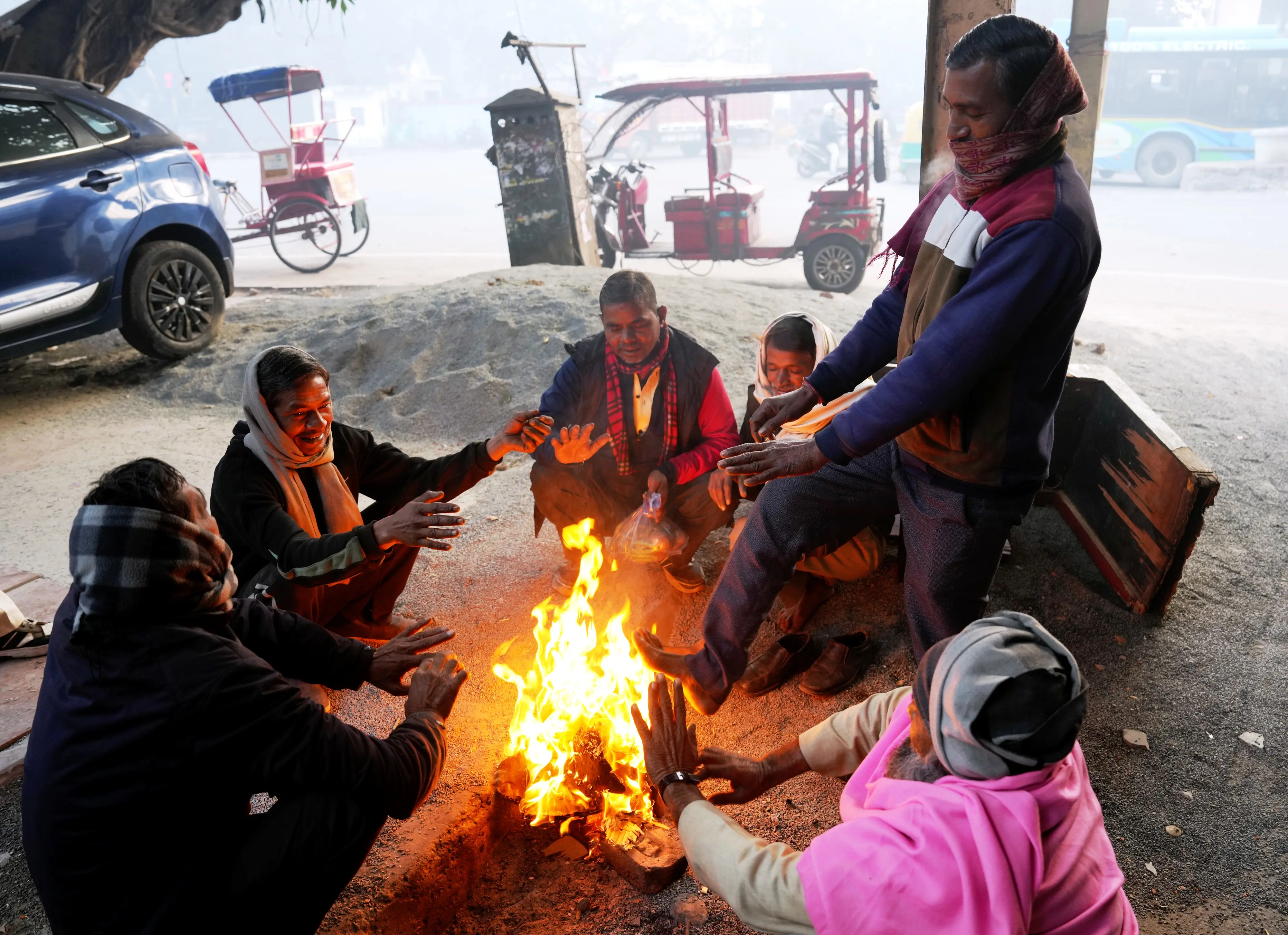
New Delhi: People across Delhi-NCR are facing a double blow of freezing cold and hazardously high air pollution levels, as severe winter conditions grip the region alongside dangerous Air Quality Index (AQI) readings.
According to the India Meteorological Department (IMD), the ongoing cold wave is expected to continue through January 13 and 14 across Delhi and adjoining NCR cities. Day temperatures are likely to hover near 20°C, while the minimum could drop to 4°C, intensified by extremely high humidity levels of 97–98 per cent during early mornings. The combined effect of cold winds and humidity has made conditions feel even harsher. A marginal rise in minimum temperature to around 6°C is expected from January 15, though moderate to dense fog may impact visibility and disrupt transport.
Meanwhile, the air pollution crisis remains deeply concerning. Data from the Central Pollution Control Board (CPCB) and state monitoring stations show AQI levels crossing 400 in several parts of Delhi, placing air quality in the ‘severe’ category. Anand Vihar recorded an AQI of 411, followed by Rohini (397), Chandni Chowk (380), Bawana (378), Wazirpur (375) and Ashok Vihar (366). Other areas such as Alipur (322), R K Puram (365), Vivek Vihar (366), Sonia Vihar (334) and Shadipur (309) also reported ‘very poor’ to ‘severe’ pollution levels. Even comparatively better zones like Sri Aurobindo Marg recorded 274, still categorised as ‘poor’.
Neighbouring NCR cities also witnessed alarming pollution conditions. Noida reported AQI readings of 357 (Sector-1), 339 (Sector-116), 340 (Sector-125) and 307 (Sector-62). In Ghaziabad, Indirapuram stood at 324, while Sanjay Nagar reported 309.
Union Environment Minister Bhupender Yadav chaired a high-level review meeting to assess Delhi’s pollution control measures and stressed the need for long-term, sustained environmental action rather than temporary responses. The review was attended by Delhi Chief Minister Rekha Gupta, Union Minister of State Kirti Vardhan Singh, Delhi Environment Minister Manjinder Singh Sirsa, and senior officials of the MoEFCC, Delhi government and related agencies.
Health experts warn that prolonged exposure to toxic smog and poor air quality can significantly heighten the risk of respiratory and cardiac illnesses, especially among children, elderly citizens and people with existing health conditions. Doctors have advised residents to limit outdoor movement, wear protective masks, maintain respiratory hygiene and take precautions against the cold. Authorities have urged the public to comply with pollution-control advisories during this critical period.
IANS