Delhi High Court rejects plea to stop demolition of Pakistani-Hindu refugee camp
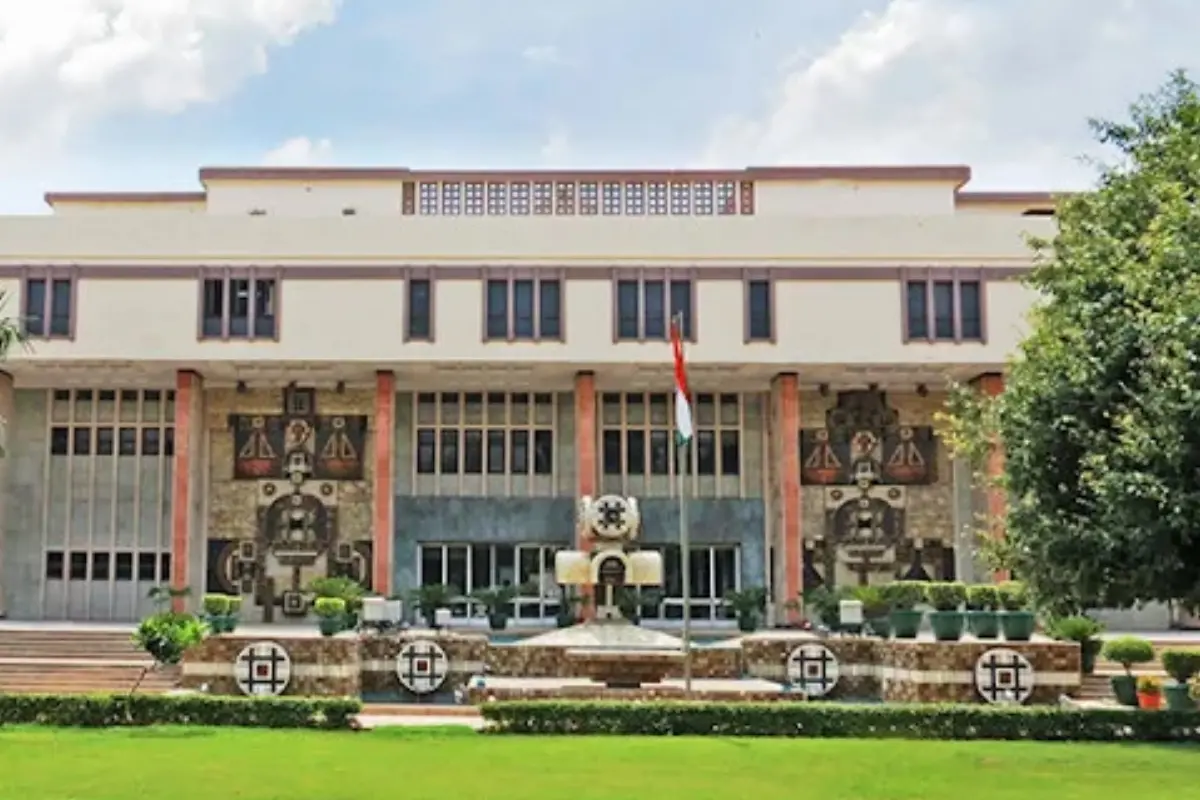
New Delhi: The Delhi High Court has dismissed a petition requesting the Delhi Development Authority (DDA) to delay the demolition of a refugee camp housing Pakistani-Hindu migrants at Majnu Ka Tila, until alternative accommodation is provided.
The court expressed that while it had made earnest efforts to engage with the relevant authorities for the rehabilitation of the refugees, these attempts were hindered primarily by bureaucratic inertia, particularly from the Union government. Nevertheless, the bench emphasised that policymaking in matters of refugee welfare lies outside the court’s purview.
Justice Dharmesh Sharma, delivering the judgment on Friday, vacated the interim order issued on 12 March 2024. He ruled that the petitioner, Ravi Ranjan Singh, along with other similarly situated refugees, had no legal entitlement to remain on the land in question. The plea to stop the eviction was accordingly rejected.
The court underscored the importance of protecting the Yamuna floodplains, describing them as ecologically sensitive. It noted that the demolition was in accordance with the directives of the Supreme Court, the National Green Tribunal (NGT), and previous rulings of the Delhi High Court, all aimed at preserving the Yamuna's ecological balance and ensuring a clean environment for future generations.
Given the ongoing efforts to rejuvenate the Yamuna River, the court stated that humanitarian considerations, while important, cannot be permitted to stall essential environmental restoration projects. Granting exceptions on such grounds would, it cautioned, set a precedent that could undermine public interest and delay crucial development work.
The petition, filed by Singh, had drawn attention to the conditions of around 800 Pakistani-Hindu refugees residing at the site. It called on the court to restrain the DDA from demolishing the settlement until alternative land was provided, as per the government’s policies under the Citizenship Amendment Act, 2019.
The plea also referred to protective embankments built near religious and residential sites like the Akshardham Temple and the Commonwealth Games Village, urging similar measures for refugee communities.
(With ANI inputs)