Protection in predicate offence does not automatically extend to PMLA case: Delhi HC
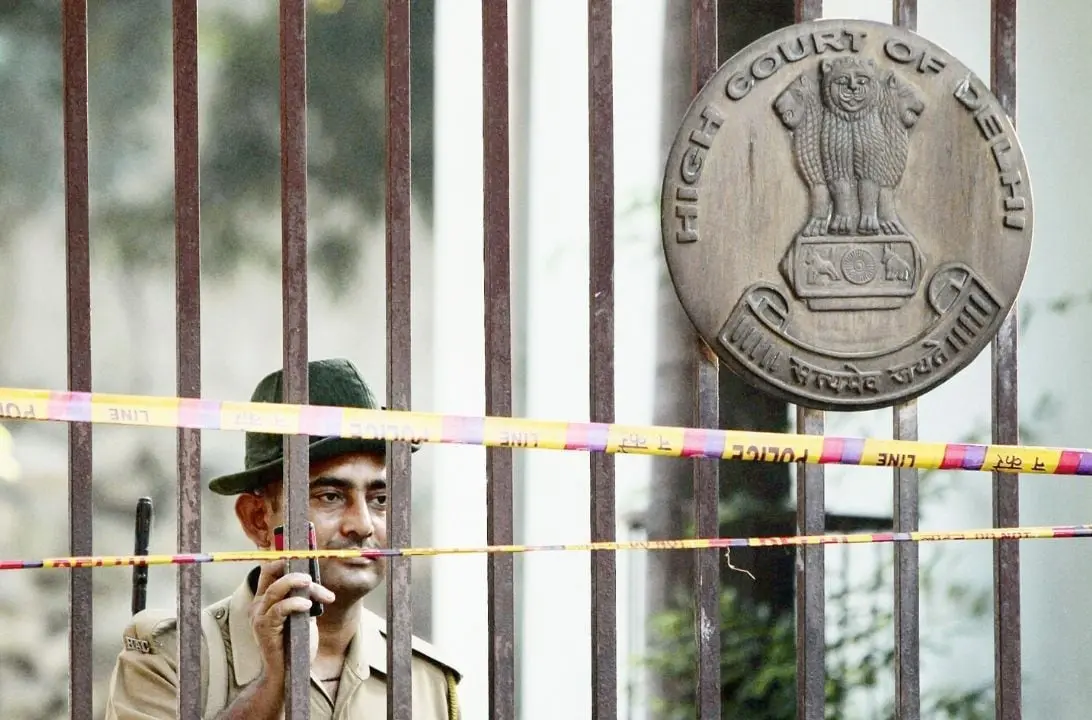
New Delhi: The Delhi High Court has ruled that protection from arrest granted in a predicate offence does not automatically shield an accused from arrest in a separate money laundering case under the Prevention of Money Laundering Act (PMLA).
The court made the observation while rejecting an anticipatory bail plea filed by businessman Ram Singh of Babaji Finance Group, who is facing a money laundering case registered by the Enforcement Directorate (ED).
Singh had argued that his apprehension of arrest in the PMLA case should be considered in light of protection granted to him by the Supreme Court in the underlying predicate offence FIR. The high court rejected the contention, stressing that proceedings under the PMLA are distinct and independent.
"The protection granted in the predicate offence operates in the context of the said FIR and cannot, by itself, be construed as extending to the distinct and independent proceedings under the PMLA.
"The petitioner cannot claim pre-arrest protection in the present proceedings merely on the ground that such protection has been granted to him in the predicate offence," Justice Madhu Jain said in an order dated August 18.
The court also noted that economic offences require a different approach when courts consider bail applications.
"Such offences, particularly where they involve deep-rooted conspiracies and substantial financial implications, have serious repercussions on the economic interests of society and the financial health of the country.
"The Supreme Court has consistently emphasised the need to adopt a serious approach while considering bail in matters involving economic offences," it said.
ED Links ₹26.18 Crore in Alleged Proceeds to Petitioner
The ED had searched Singh's residence in Delhi and recorded reasons to believe that he was a key conspirator in the alleged money laundering case.
Singh's counsel argued that the scheduled offences primarily involved allegations of cheating, inducement, forged documents and transactions involving properties under the SARFAESI Act. The lawyer maintained that the principal allegations were against co-accused persons and that there was no allegation that Singh had personally induced complainants to part with money, forged documents or participated in the alleged property transactions.
The ED opposed the anticipatory bail plea, arguing that Singh had not joined the investigation despite repeated summonses. The agency also submitted that he should first have approached the sessions court.
According to the ED, the case involves serious money laundering allegations and requires a detailed investigation into the alleged proceeds of crime. The agency said Singh's presence was necessary to examine documentary and digital evidence and obtain information allegedly within his exclusive knowledge.
The high court, while dismissing the plea, noted that material before it at this stage traced alleged proceeds of crime worth around ₹26.18 crore to Singh.
The court also observed that despite multiple summonses requiring his personal appearance, neither Singh nor an authorised representative appeared before the ED. Instead, a written reply was submitted through his counsel.
Justice Jain said this conduct appeared to indicate an attempt to avoid the inquiry initiated by the probe agency.
The court further held that the requirements for granting protection under the PMLA had not been met.
"In view of the aforesaid material, this court finds that the condition required under the PMLA is not satisfied and the petitioner has not been able to demonstrate that there are reasonable grounds for believing that he is not guilty of the offence alleged against him," the court said.
It added, "The material placed on record, including the petitioner's conduct, the statements recorded under Section 50 of the PMLA, the financial trail and the analysis of the bank accounts, discloses sufficient material, at this stage, connecting the petitioner with the alleged proceeds of crime. The present application for anticipatory bail is, therefore, dismissed," it said.