Explained: How unrelied documents could reshape Lalu Yadav land-for-jobs case
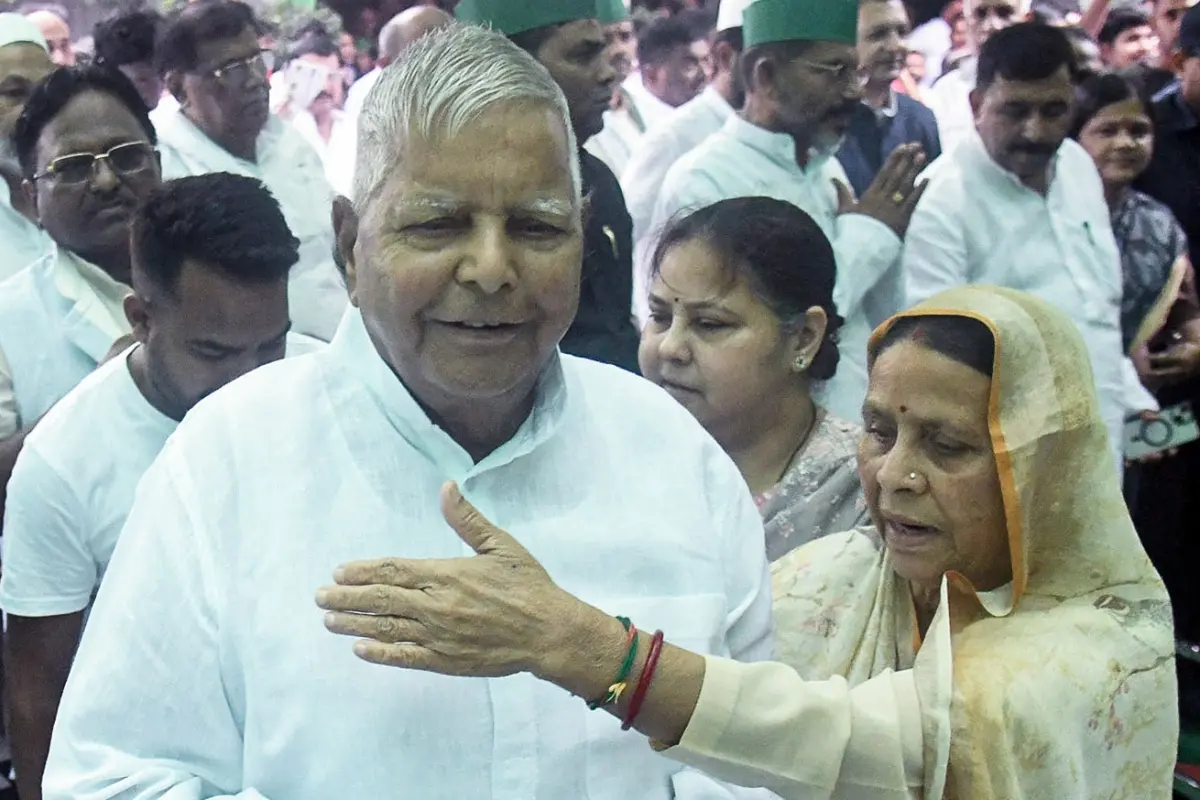
New Delhi: The Delhi High Court on March 23 issued a notice to the Central Bureau of Investigation (CBI) after a petition was filed by Lalu Prasad Yadav and Rabri Devi. The plea challenges a trial court order that denied them access to certain investigation records known as “unrelied documents.” The High Court has fixed April 1 as the next date of hearing and directed the CBI to submit its response.
What the case is about
The land-for-jobs case relates to allegations that during his tenure as Union railway minister between 2004 and 2009, Lalu Prasad Yadav facilitated appointments to Group D posts in the Indian Railways in exchange for land parcels. According to the CBI, these land parcels were transferred at concessional rates to Yadav’s family members and close associates.
A chargesheet filed by the CBI in 2023 named 78 accused, including Yadav, his family members, and several railway officials. The Enforcement Directorate (ED) later initiated a parallel money laundering probe in 2024, alleging that the proceeds of the alleged scam were used to acquire assets.
What are “unrelied documents” and why they matter
“Unrelied documents” are materials collected by investigating agencies during the probe but not used by the prosecution to support its case in court. These documents are typically excluded because they may not strengthen the prosecution’s arguments.
However, the defence often seeks access to such documents, arguing they may contain information that could weaken the prosecution’s case or help challenge witness testimonies. In this case, Yadav and Rabri Devi have argued that access to these documents is necessary for a fair trial, particularly to cross-examine key prosecution witnesses, including approvers.
Trial court’s earlier ruling
On March 18, the trial court rejected the plea, describing it as “self-serving” and suggesting it was an attempt to delay the trial. In its detailed order, the court said the accused had not demonstrated any special circumstances that would justify granting access to these documents before the stage of defence evidence begins.
The court also held that the request did not meet the legal threshold required for early disclosure of such materials.
Arguments before the High Court
In their petition before the High Court, the defence argued that multiple Supreme Court rulings support the right of the accused to access all relevant documents, including those not relied upon by the prosecution. Their counsel contended that denying access could affect their ability to conduct an effective defence.
The CBI, represented by the additional solicitor general, is expected to respond to these arguments in the next hearing.
Earlier, on January 9, a Delhi court framed charges of corruption and criminal conspiracy against Lalu Prasad Yadav, Rabri Devi, and other family members. The court observed that there was prima facie evidence suggesting that public sector jobs were allegedly used as a means to acquire land for the benefit of the family.
The charges were formally framed on February 16, and the trial is currently underway.
Why this hearing is important
The High Court’s decision on access to unrelied documents could have a direct impact on how the trial proceeds. If the court allows the plea, the defence may gain access to additional materials that could influence cross-examination and overall trial strategy. If denied, the trial will continue based on the existing prosecution records.
The matter will be taken up again on April 1, when the CBI is expected to present its response.