'We breathe 21,000 times a day': Delhi HC questions 18% GST on air purifiers
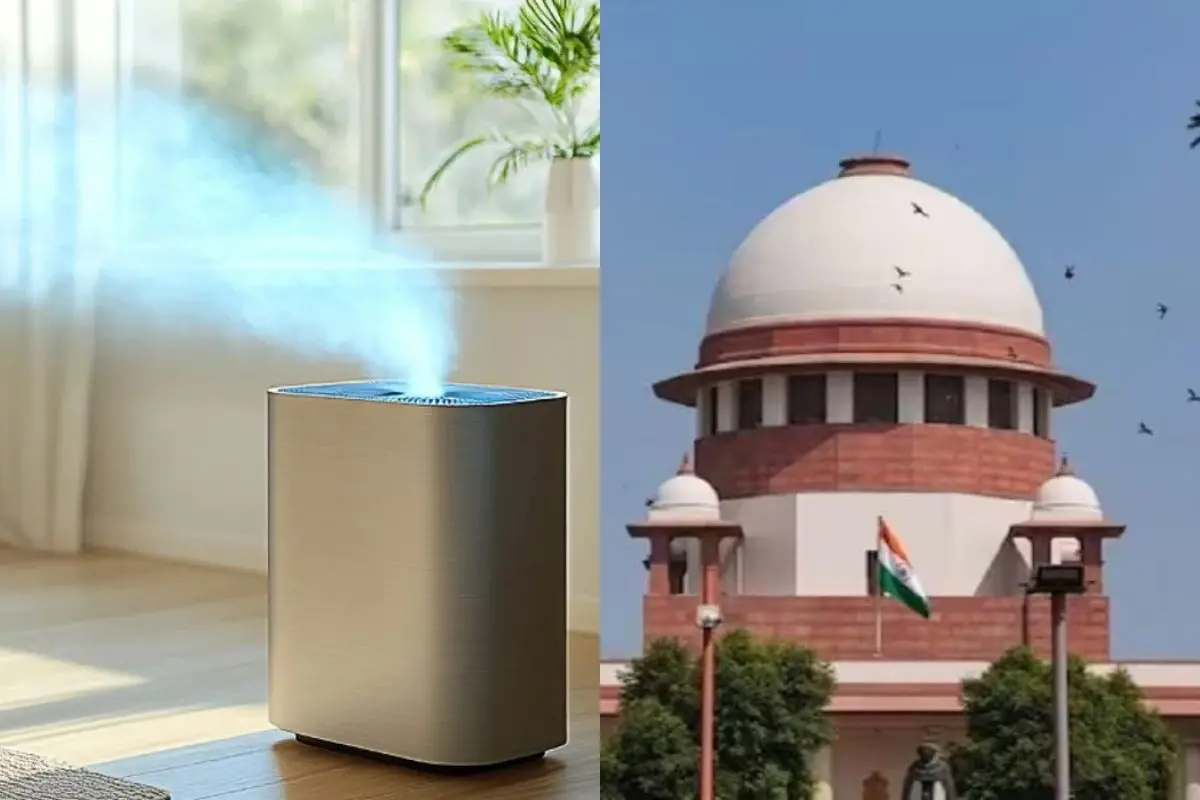
In a stinging rebuke to the Centre, the Delhi High Court on Wednesday questioned why air purifiers continue to attract 18 per cent GST despite what it described as an ongoing air “emergency” in the national capital.
“We breathe 21,000 times a day. Calculate the harm,” the court remarked, underlining the severe health impact of Delhi’s toxic air while hearing a public interest litigation (PIL) seeking lower taxation on air purifiers.
A division bench of Chief Justice Devendra Kumar Upadhyaya and Justice Tushar Rao Gedela was hearing a plea demanding that air purifiers be reclassified as medical devices, which would bring them under the 5 per cent GST slab. The bench expressed dissatisfaction with the Centre’s request for more time to respond.
“What is ‘in due time’? When thousands of people die? Every citizen of this city needs clean air, and you have not been able to provide that. The least you can do is to give them access to air purifiers,” the judges said.
The court also explored the possibility of immediate relief, asking the Centre why air purifiers could not be temporarily exempted from GST during the pollution crisis. “Why can you not exempt it as a temporary measure under the National Security Act during this air emergency period?” the bench asked.
The government has been directed to take instructions and spell out its proposal when the matter is taken up again at 2.30 pm today.
The PIL, filed by advocate Kapil Madan, argues that air purifiers can no longer be treated as luxury goods in a city grappling with hazardous air quality. The petition contends that access to clean indoor air has become essential for survival and public health.
It further claims that air purifiers meet the definition of “medical devices” under a 2020 central notification, as they perform a critical preventive function by enabling safe respiration and reducing exposure to life-threatening pollutants.
Levying the highest GST slab on such devices, the plea argues, makes them financially inaccessible to large sections of the population and amounts to an arbitrary and disproportionate burden, especially when other medically recognised devices attract lower tax rates.