Delhi expands anti-begging rehabilitation drive to six more districts; NGOs invited to join
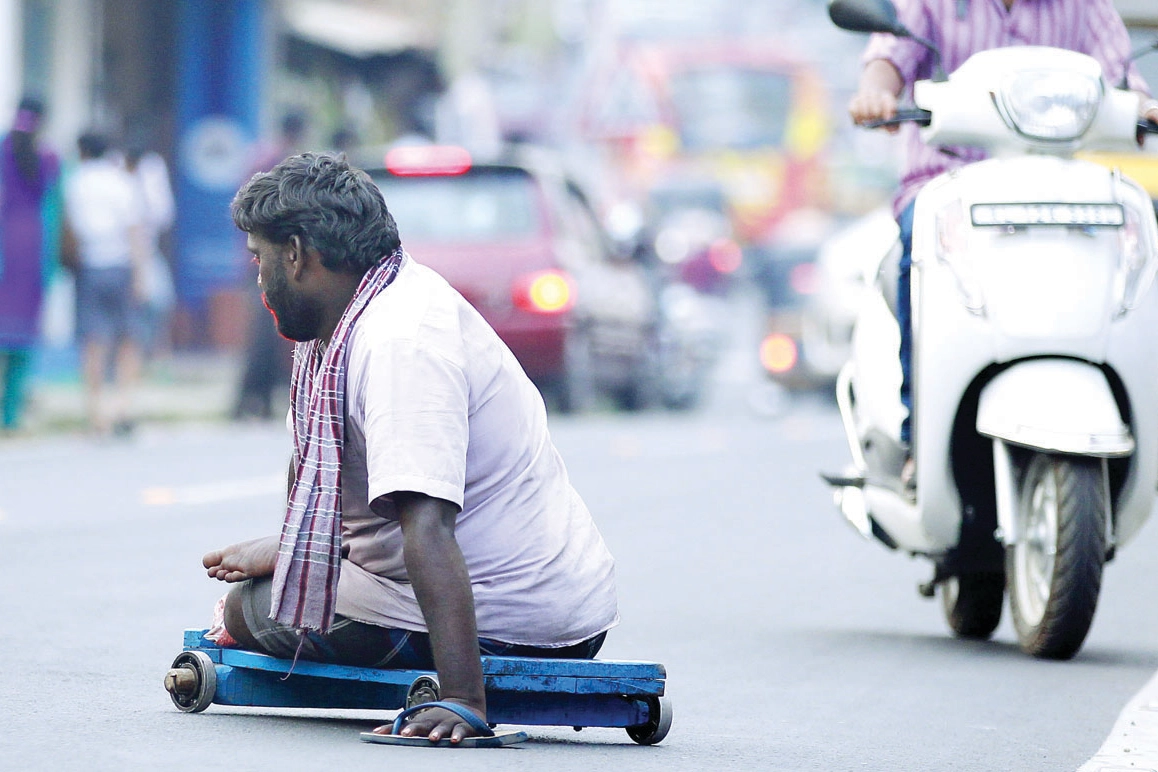
New Delhi: The Delhi government has invited applications from non-governmental organisations (NGOs) to rehabilitate people engaged in begging in six additional districts and an existing hotspot under the Centre's SMILE scheme, with an annual allocation of Rs 55.80 lakh for each district.
The Department of Social Welfare has issued an Expression of Interest (EOI) for empanelling voluntary organisations, trusts and societies to implement the Support for Marginalised Individuals for Livelihood and Enterprise (SMILE) scheme, aimed at making India free of begging.
The six additional districts identified for the programme are North-East, North, North-West, Central, East and South Delhi, while Rohini has been included as an existing hotspot, according to the EOI.
The selected organisations may be assigned an entire district, a part of it or specific locations, including traffic intersections, railway stations, bus terminals, religious places, tourist spots and marketplaces, it stated.
The scheme will cover surveys and identification of people engaged in begging, counselling, rescue and voluntary mobilisation to shelter homes, healthcare, skill development and livelihood support.
It further mentioned that NGOs will also be responsible for helping beneficiaries obtain Aadhaar cards, voter identity cards, ration cards and bank accounts, besides linking them with government welfare schemes, health insurance, pensions and employment opportunities.
The rehabilitation programme will include special assistance for women, children, senior citizens, persons with disabilities and those with mental health concerns. Organisations will also be required to facilitate family reunification wherever appropriate and undertake follow-up for two years after rehabilitation.
According to the EOI, the minimum stay at the designated Swashraya shelter homes will be six months. It may be extended up to 12 months for elderly persons, those with psychiatric conditions and people facing long-term destitution, depending on individual assessments.
Each shelter home should have a capacity of at least 50 people, with separate arrangements based on gender, age, family status and medical requirements.
The construction of new shelter homes will not be funded under the scheme, and existing government facilities will be used. Rented accommodation may be considered where suitable facilities are unavailable or fully occupied, it read.
To be eligible, organisations must have a valid NITI Aayog NGO-DARPAN Unique ID and at least three years of experience in rehabilitation, operating shelter homes or implementing welfare schemes related to begging and allied fields, it added.
(Except for the headline, this story has not been edited by Mathrubhumi and is published from a syndicated feed.)