‘No longer primitive’, late-night calls to a man can’t question woman’s character: Delhi court
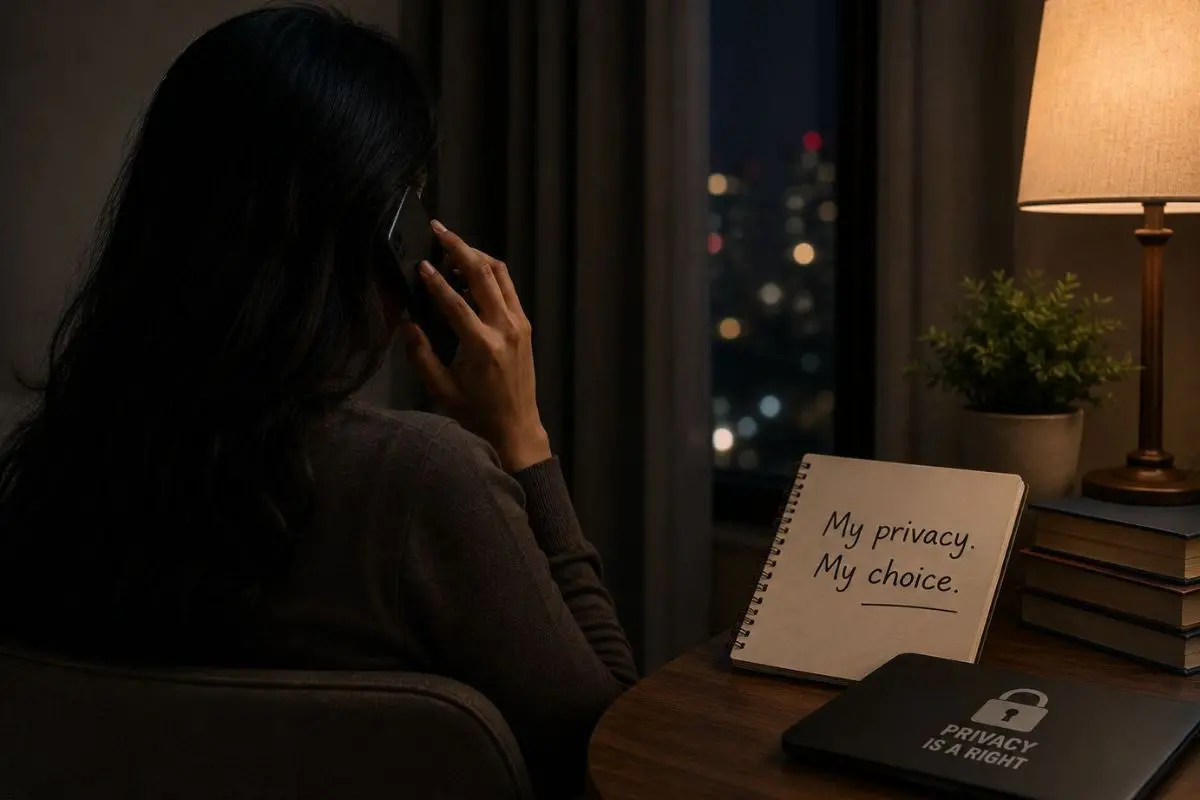
New Delhi: A Delhi court has ruled that a woman speaking to a man over the phone late at night cannot, on its own, be used to question her character or justify intrusion into her privacy by seeking preservation of her call detail records (CDRs).
The observation was made by Additional Sessions Judge Shunali Gupta while dismissing an appeal filed by a man who had challenged a trial court’s refusal to direct preservation of his wife’s CDRs in a pending domestic violence case.
The husband had argued that the records should be preserved as his wife was allegedly in regular late-night telephonic contact with certain individuals, and that the data could be erased by the service provider over time. However, the court found no sufficient grounds to support the request.
Court Upholds Privacy in CDR Dispute
In its order dated June 2, the court stated:
"To my mind, talking to any person even at odd hours of the day cannot by itself put a question mark on the character of the woman until and unless it has been alleged that the woman has some illegal, adulterous, etc. relationship with a said man."
The court further emphasised that while the right to privacy is not absolute and may yield to the right to a fair trial in appropriate circumstances, any request for preservation of another person’s call records must be backed by specific and reasonable grounds.
Rejecting the appeal, the judge noted:
"The Indian society no longer remains a primitive society wherein a woman talking with a man is considered to be a taboo."
The court also highlighted that neither the application nor the appeal provided any concrete justification for preserving the records.
"Women are working in every field, in multinational companies, etc., and have male colleagues. Just because a woman is found talking on the phone at night... the same cannot ipso facto become a ground seeking preservation of CDR of her mobile number."
Upholding the trial court’s decision, the court concluded that any intrusion into privacy must be properly justified and dismissed the plea.