Delhi AQI stays in 'very poor' category; Diwali PM2.5 levels crossed safe limit 60 times
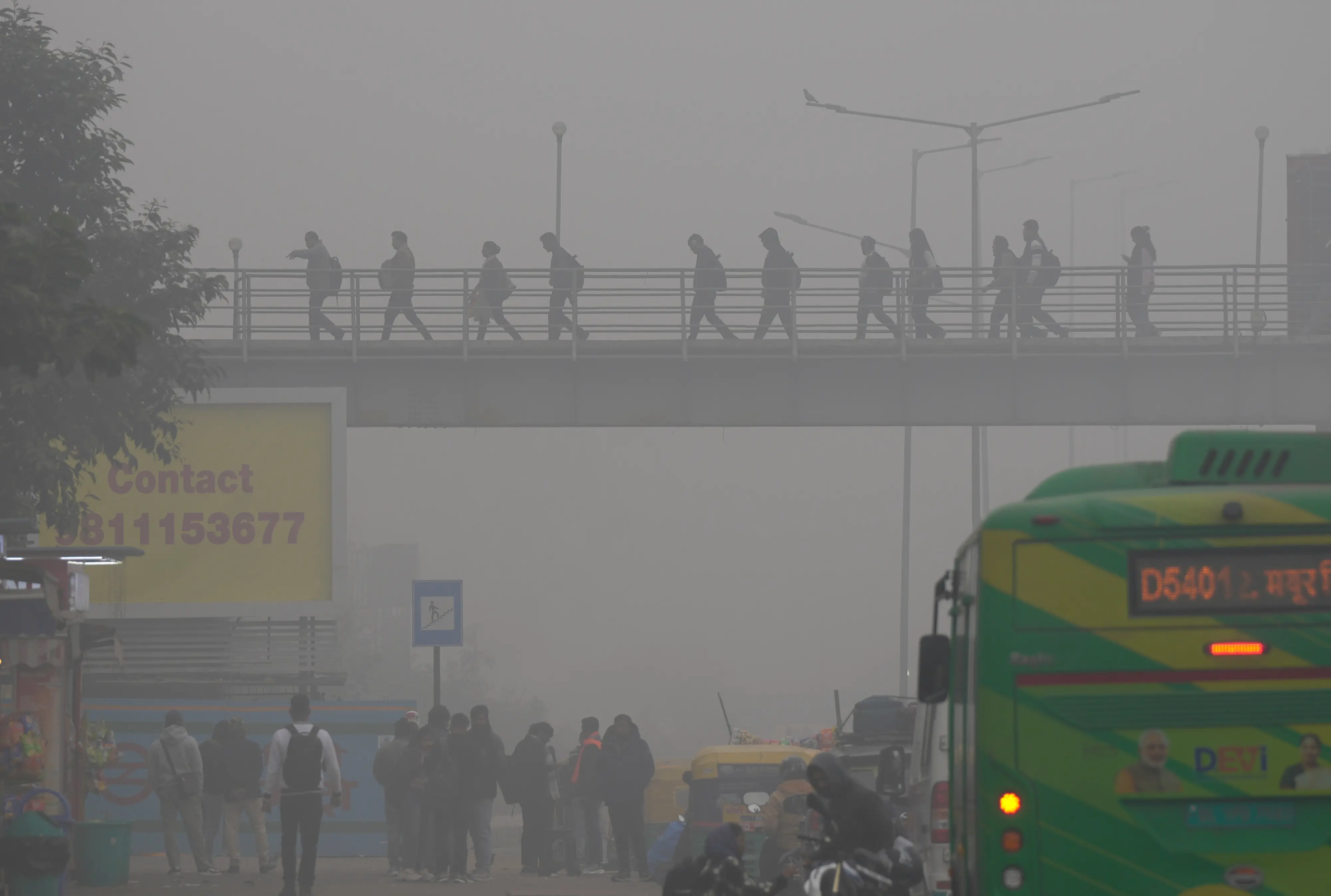
Delhi recorded an Air Quality Index of 311 on Tuesday morning, keeping the city’s air in the 'very poor' category. The Central Pollution Control Board warns that these levels pose health risks, particularly for children, the elderly, and people with respiratory conditions. Meanwhile, winter is setting in, with minimum temperatures hovering around 15 °C. Routine factors like vehicle exhaust, construction dust, and stubble burning in neighbouring states continue to load the capital's air with pollutants.
Diwali smoke pushes toxic fine particles to extreme spikes
The current air status follows a dramatic surge in pollution on Diwali night, driven by firecracker smoke despite restrictions on timing. Official records released by the Delhi Pollution Control Committee revealed that fine particulate matter (PM2.5) spiked to 3,744 micrograms per cubic metre at Mundka. That figure is over 60 times the national safe limit of 60 micrograms per cubic metre. Several monitoring stations registered PM2.5 levels above 2,000 micrograms per cubic metre during the early hours of Monday. Although technical glitches caused dozens of station readings to go blank during peak hours, revised data indicates the 24-hour air index was higher than initially published.
Noise pollution surges across most monitoring locations
Beyond foul air, Delhi is also grappling with severe noise pollution. Monitoring reports show that noise levels rose at nearly 73 per cent of city stations on Diwali compared to the previous year. Karol Bagh logged the highest noise level at 89.1 decibels, while Sonia Vihar recorded the sharpest increase of over 16 per cent. National Green Tribunal directives mandate treating noise pollution on par with air pollution. Health experts advise residents to limit outdoor exposure and wear masks until conditions improve.