Smog returns: Delhi’s AQI hits ‘very poor’ category amid rise in stubble burning
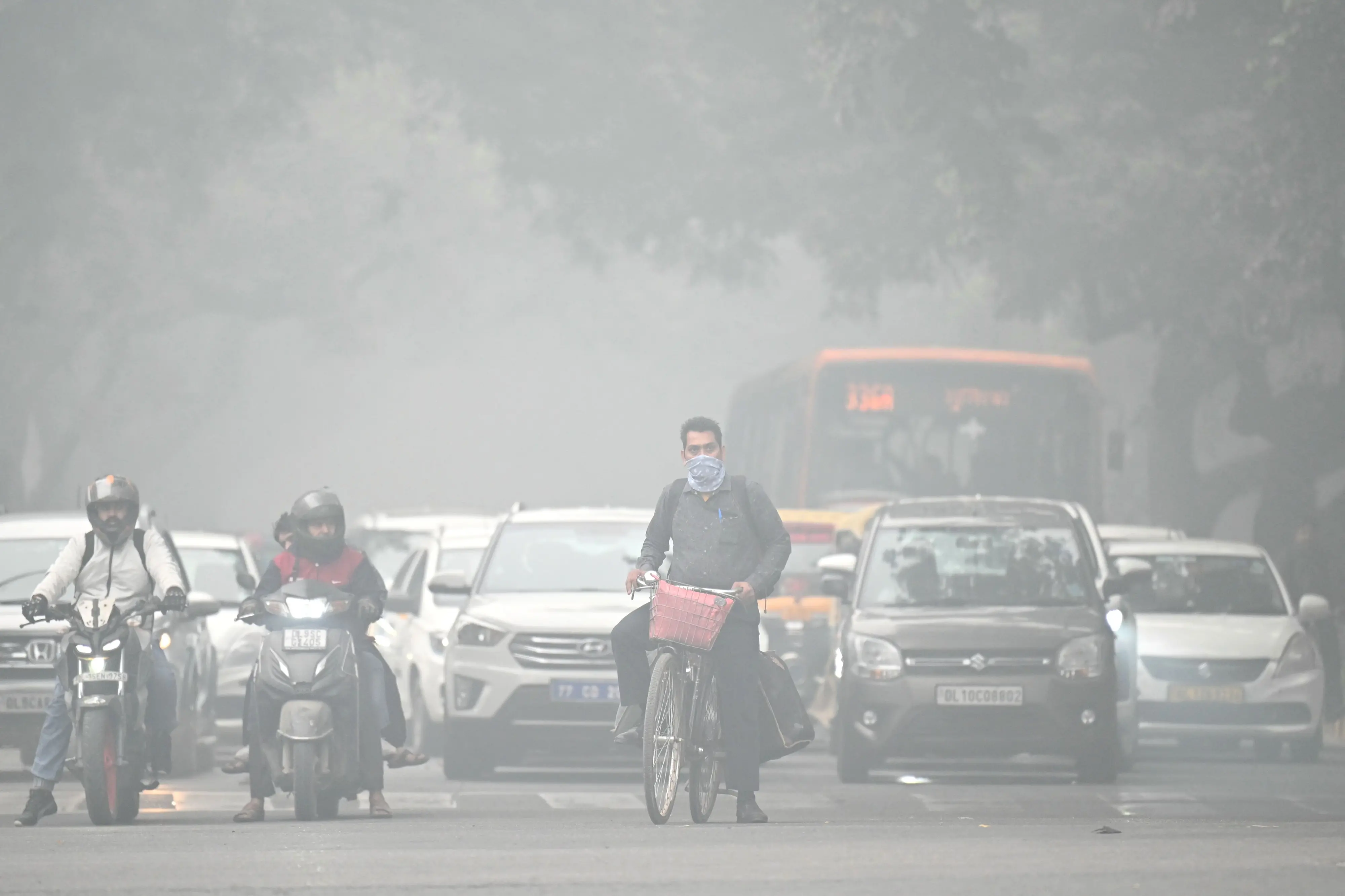
New Delhi: Delhi’s air quality deteriorated sharply on Friday morning, slipping into the “very poor” category as the city’s average Air Quality Index (AQI) crossed the 300 mark, according to data from the Central Pollution Control Board (CPCB).
As of 7 am, Delhi recorded an average AQI of 312, marking a significant decline after two days of slight improvement. The surrounding National Capital Region (NCR) cities also reported high pollution levels: Faridabad at 295, Gurugram at 288, Ghaziabad at 296, Greater Noida at 275, and Noida at 289. Most parts of Delhi reported AQI readings between 300 and 400, confirming “very poor” air conditions.
A thick grey haze blanketed the city early Friday, reducing visibility and covering major landmarks in smog. At Chandni Chowk, the AQI reached 350, while readings near Indira Gandhi International Airport hovered around 290, falling in the “poor” range.
Officials linked the worsening pollution to dropping temperatures and a spike in stubble burning across neighbouring states, Punjab, Haryana and Uttar Pradesh.
According to the Decision Support System (DSS) for air quality forecasting, stubble burning contributed around 21.5 per cent to Delhi’s PM2.5 concentration on Thursday. The share is expected to climb to 36.9 per cent on Friday and remain elevated at 32.4 per cent on Saturday.
Satellite imagery on Wednesday detected 94 farm fire incidents in Punjab, 13 in Haryana and 74 in Uttar Pradesh.
Since Diwali, Delhi’s air quality has swung between the “poor” and “very poor” categories, occasionally touching the “severe” level. Environmental and student activists staged demonstrations at Jantar Mantar on Thursday, criticising the government’s pollution control measures and demanding stronger action to safeguard public health and citizens’ right to clean air.
Forecasts suggest that Delhi’s air quality will remain in the “very poor” category at least until November 8, as authorities continue to track stubble burning and pollution levels across the region.
IANS