Severe air pollution grips Delhi as AQI crosses 400, 714 vehicles turned back
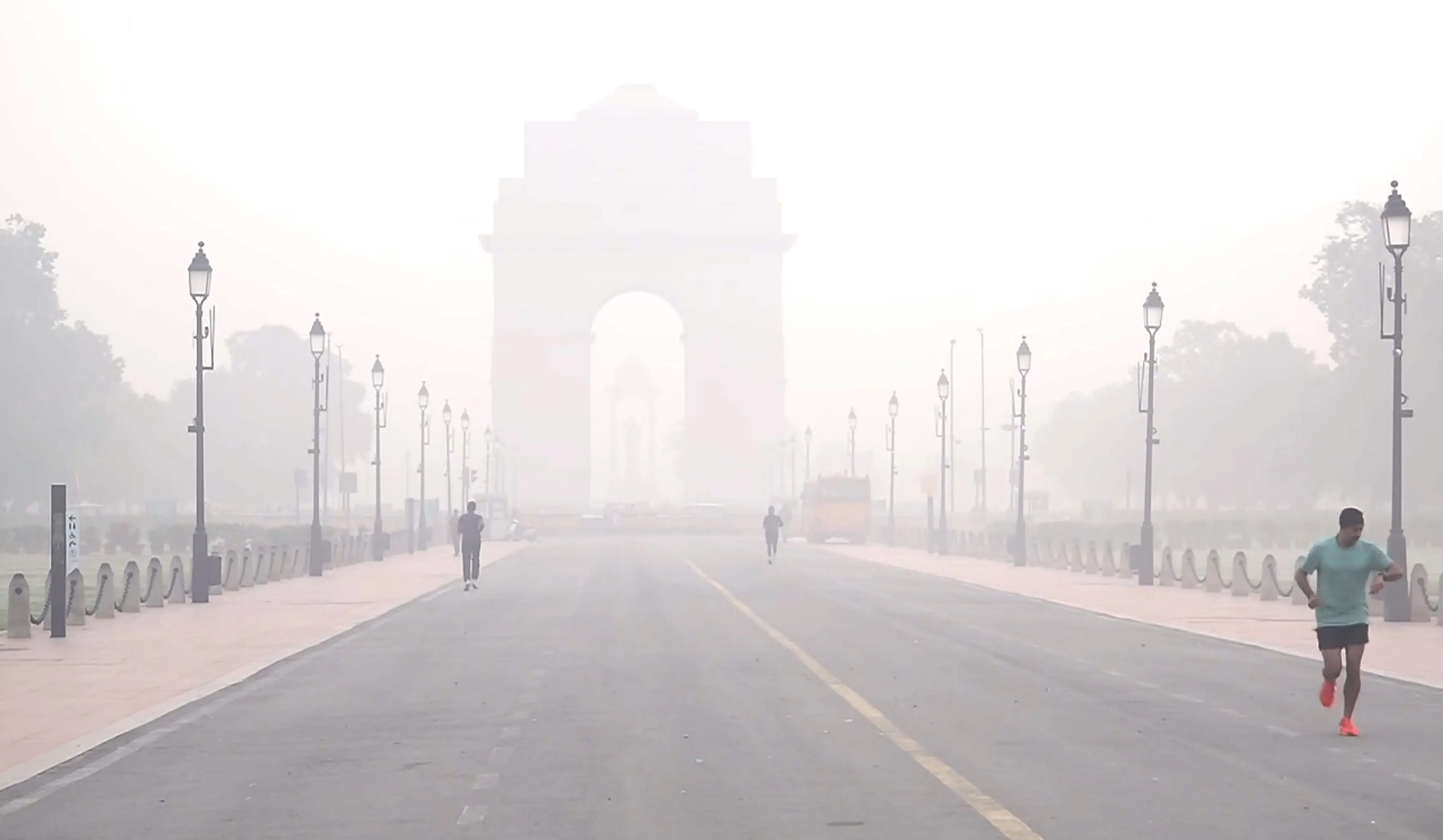
Delhi continued to battle poor air quality on Monday, with the overall Air Quality Index (AQI) ranging between 385 and 428, according to the readings provided. Several parts of the national capital recorded pollution levels in the very poor category, while some locations reported readings close to or above the severe threshold.
Rohini recorded an AQI of 396, the highest among the locations listed, followed by Alipur at 375, Vivek Vihar at 370 and Narela at 363. Chandni Chowk registered 358, while Akshardham and ITO recorded 349 each.
The air quality around India Gate and Janpath stood at 335, while Jawaharlal Nehru Stadium recorded 343. Burari registered 308. Aya Nagar recorded 276, and the reading at Indira Gandhi International Airport's Terminal 3 was 263. Anand Vihar reported an AQI of 242.
With pollution continuing to affect the capital, authorities have intensified vehicle checks, monitored pollution-control compliance and stepped up enforcement of restrictions under the Graded Response Action Plan (GRAP).
Nearly 15,000 vehicles checked in Delhi
Delhi Environment Minister Manjinder Singh Sirsa said enforcement teams checked 14,930 vehicles on November 1. They also issued 566 challans for violations related to Pollution Under Control Certificates (PUCC) and inspected 300 construction sites.
In a post on X on Sunday, Sirsa said teams were enforcing vehicle entry restrictions, checking pollution certificates and taking measures to control construction dust. He urged motorists to keep their PUCC documents valid and follow vehicle-entry rules and dust-control requirements.
Traffic police turn back 714 vehicles
Delhi Traffic Police have also intensified checks at the city's entry points to enforce GRAP restrictions.
According to the department, 7,279 vehicles were checked between midnight and 8 pm on November 1. Ten vehicles were issued challans, 714 were turned back and 38 were impounded.
The traffic police also held a coordination meeting with officials from neighbouring districts to strengthen enforcement across the borders. Public awareness campaigns are being carried out through newspapers, social media and radio. Information boards have also been installed at Delhi's borders, and pamphlets are being distributed.
Delhi-NCR officials discuss steps to curb pollution
Earlier, on October 25, Sirsa held a virtual meeting with traffic police and transport officials from neighbouring NCR districts, including Noida, Faridabad, Gurugram, Sonipat and Bahadurgarh.
The discussions focused on reducing traffic congestion near Delhi's borders, checking polluting vehicles and preventing buses that do not meet prescribed emission standards from entering the capital.
Officials also discussed action against overage petrol and diesel vehicles and diverting trucks that are not headed to Delhi through the Eastern and Western Peripheral Expressways.
Under the applicable directions, buses operating in Delhi-NCR must run on electricity, CNG or BS-VI-compliant diesel. The government has also outlined measures such as mechanical road sweeping, water sprinkling and the deployment of additional enforcement teams to control dust and vehicle emissions.
Sirsa said tackling air pollution requires coordinated efforts by Delhi and neighbouring NCR districts, with stricter checks and cleaner public transport among the measures needed.
GRAP Stage 1 restrictions in force across Delhi-NCR
The Commission for Air Quality Management (CAQM) invoked Stage 1 of the Graded Response Action Plan across Delhi-NCR on October 21 as air quality deteriorated.
GRAP is a set of emergency measures introduced in stages to tackle worsening air pollution. The restrictions and additional measures are intended to address major pollution sources, including vehicle emissions, road dust and construction activity.
With ANI inputs