Dehradun: Public health emergency feared as sewage-tainted drinking water sickens dozens
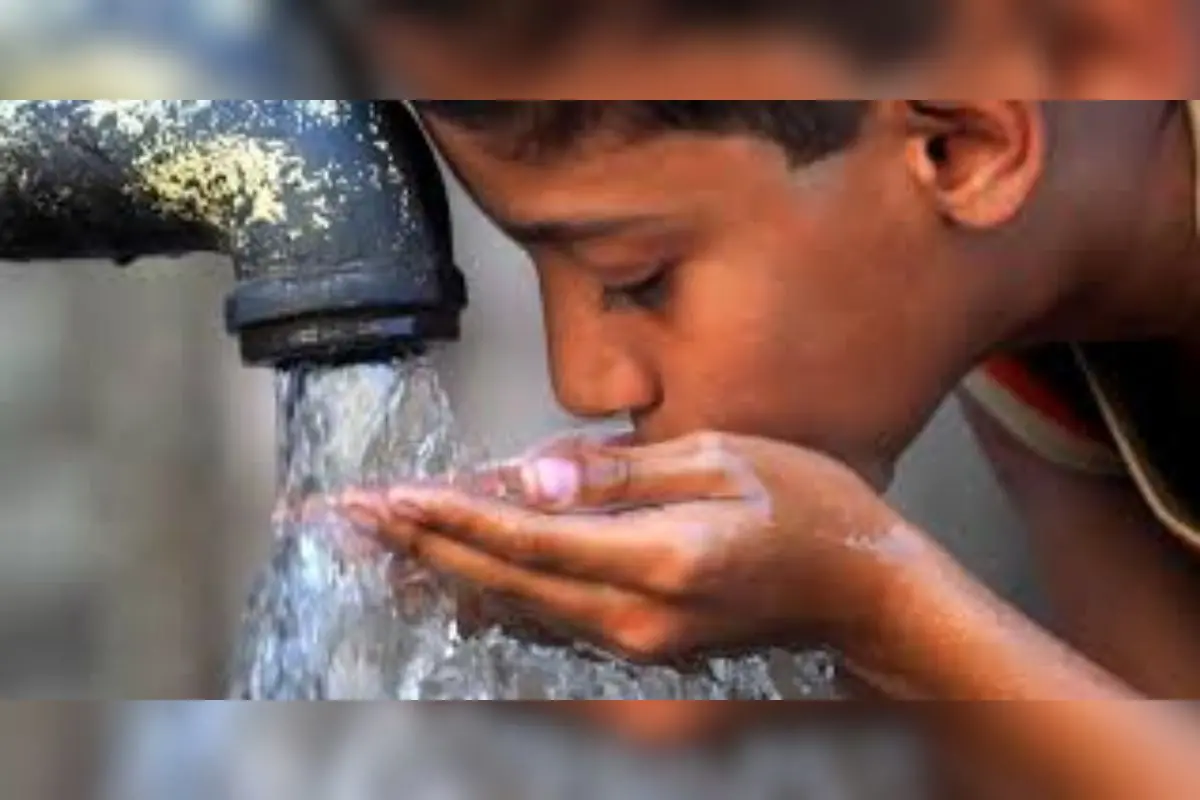
Dehradun: A suspected drinking water contamination incident has triggered a public health scare in the Uttarakhand capital, after several residents of Chukhu Mohalla, a densely populated neighbourhood near the city’s iconic Clock Tower, reported falling ill over the past few weeks.
Locals allege that tap water supplied to the area has been contaminated with sewage, causing a spike in cases of stomach infections, vomiting, and diarrhoea. Dozens of residents are said to have sought medical treatment, with multiple individuals requiring hospitalisation.
Residents claim the issue has persisted for nearly a month, raising concerns about potential failures in pipeline maintenance and water quality monitoring. Many households have complained of foul odour, unusual discoloration, and visible impurities in the water.
“The drinking water smells like sewage. It has become increasingly dirty over the last 15–20 days,” said Anoop, a resident of Chukhu Mohalla. “At times, the water looks so contaminated that it is clearly unsafe. We have raised repeated complaints with officials, but no concrete action has been taken so far.”
Another resident, Mamta Nainwal, described the situation as alarming. “There are days when the water appears visibly polluted. Families are worried because not everyone realises the water is unsafe. Some people drink it unknowingly, while others are forced to boil it before use,” she said.
Several residents linked their deteriorating health to the suspected contamination. Ravi Sharma, who has been admitted to a hospital for the past seven days, said his condition worsened after consuming tap water. “I started experiencing severe stomach problems and weakness. Doctors advised caution regarding water intake,” he said.
Healthcare professionals in Dehradun have noted an increase in patients presenting with gastrointestinal symptoms, although officials have not yet confirmed a direct link to contaminated water.
Medical experts warn that sewage-tainted water can lead to serious health risks, including bacterial and viral infections such as gastroenteritis, typhoid, hepatitis A, and cholera. Vulnerable groups, including children, the elderly, and those with weakened immunity, face higher complications.
Public health specialists stress the importance of immediate testing and remedial measures. “If contamination is suspected, authorities must urgently conduct water quality assessments, identify the source of leakage, and ensure a safe alternative supply,” said a senior physician at a government hospital.
Meanwhile, residents say they are relying on bottled water or boiling tap water as a precautionary step. However, many argue that such measures are neither affordable nor sustainable for low-income families.
Civic authorities have acknowledged receiving complaints from the locality. Officials from the Jal Sansthan (water department) indicated that inspections and sample testing are being carried out. “Teams have been deployed to assess the situation. Necessary action will be taken based on test results,” an official stated.
The incident has reignited debate over urban infrastructure and water safety in rapidly growing cities. With concerns mounting among residents, calls are growing louder for a transparent investigation, timely communication from authorities, and long-term safeguards to prevent similar crises.
As the probe continues, public health experts urge citizens to remain cautious, avoid consuming untreated tap water if contamination is suspected, and seek medical attention in case of symptoms.