Congress out, new camp in? Ritabrata Banerjee hints at rebels’ next move as TMC crisis deepens
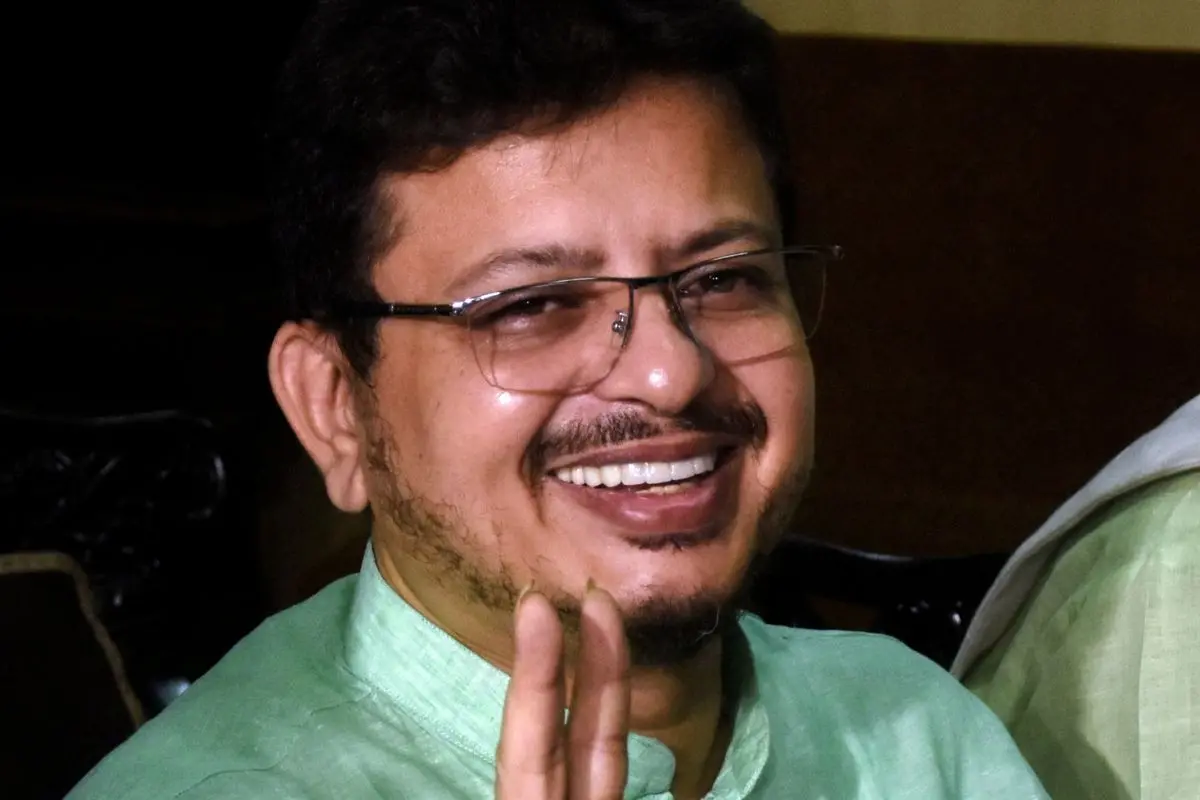
Kolkata: As the Trinamool Congress (TMC) grapples with its biggest internal crisis since coming to power in West Bengal, rebel leader Ritabrata Banerjee has sought to draw a clear line under speculation about the faction’s political future, insisting that the dissident camp has no plans to merge with the Congress and is instead focused on consolidating its strength within Bengal’s political landscape.
Banerjee’s remarks come at a time when the TMC is facing a steady stream of resignations, defections and growing uncertainty over the party’s organisational structure following its defeat in the recent West Bengal Assembly elections.
Amid mounting rumours that sections of the rebel camp could align with the Congress to evade anti-defection provisions, Banerjee categorically rejected the possibility.
According to him, the rebellion is not about abandoning the TMC’s support base or seeking refuge in another opposition party, but about challenging the current leadership structure and shaping a new political direction.
He maintained that neither the legislators backing his camp nor the MPs associated with the rebel bloc were considering a merger with the Congress.
The rebel leader also claimed that support for his faction has continued to grow. While the initial list submitted by dissident lawmakers reportedly contained 58 names, Banerjee said the number has now risen to 64 MLAs.
He indicated that these legislators are preparing to formally communicate their support to the Speaker of the West Bengal Assembly, a move that could further strengthen the faction’s claim in the ongoing political battle.
His comments are being viewed as an attempt to reassure supporters and legislators who fear that a merger with another party could dilute the movement’s political identity.
Banerjee argued that the rebellion extends across multiple levels of the organisation, including MPs, municipal representatives, Zilla Parishad members and panchayat leaders, and therefore cannot be reduced to a simple question of switching political affiliations.
The statement comes against the backdrop of intense speculation over the future alignment of the rebel camp.
Reports of meetings involving dissident leaders and senior BJP figures, coupled with discussions around anti-defection laws, had fuelled suggestions that a larger political realignment could be underway.
At the national level, Congress leaders have also attempted to distance themselves from the speculation. Senior Congress leader Adhir Ranjan Chowdhury said he had no information regarding any discussions on a merger between the Congress and sections of the TMC, adding that he remained unaware of any formal proposal or decision on the matter.
Meanwhile, the crisis within the TMC has continued to deepen. In a significant development, Rajya Sabha MP Sushmita Dev resigned from both the party and the Upper House.
Her resignation was accepted by Rajya Sabha Chairman CP Radhakrishnan with effect from June 10.
Shortly after stepping down, Dev indicated that she intended to focus on political work in Assam, even as speculation intensified about her next political move.
Her exit follows the resignation of Rajya Sabha MP Sukhendu Sekhar Ray, who had blamed the party’s electoral defeat on what he described as the consequences of a prolonged period of misgovernance.
The back-to-back departures have added to concerns over the TMC’s ability to contain the fallout from the election setback.
Further complicating matters, rebel MP Kakoli Ghosh Dastidar recently revealed that a group of 20 MPs had sought separate seating arrangements in the Lok Sabha, signalling a formal assertion of their independent political identity within Parliament.
With the rebel faction claiming growing numbers, senior leaders exiting the party and questions emerging over future alliances, the battle for control of the TMC’s political legacy appears far from over.
For now, however, Ritabrata Banerjee’s message is clear: the rebels may be challenging the party leadership, but they are not looking to merge with the Congress.