CJP Protests: Supreme Court orders release of students with no criminal record
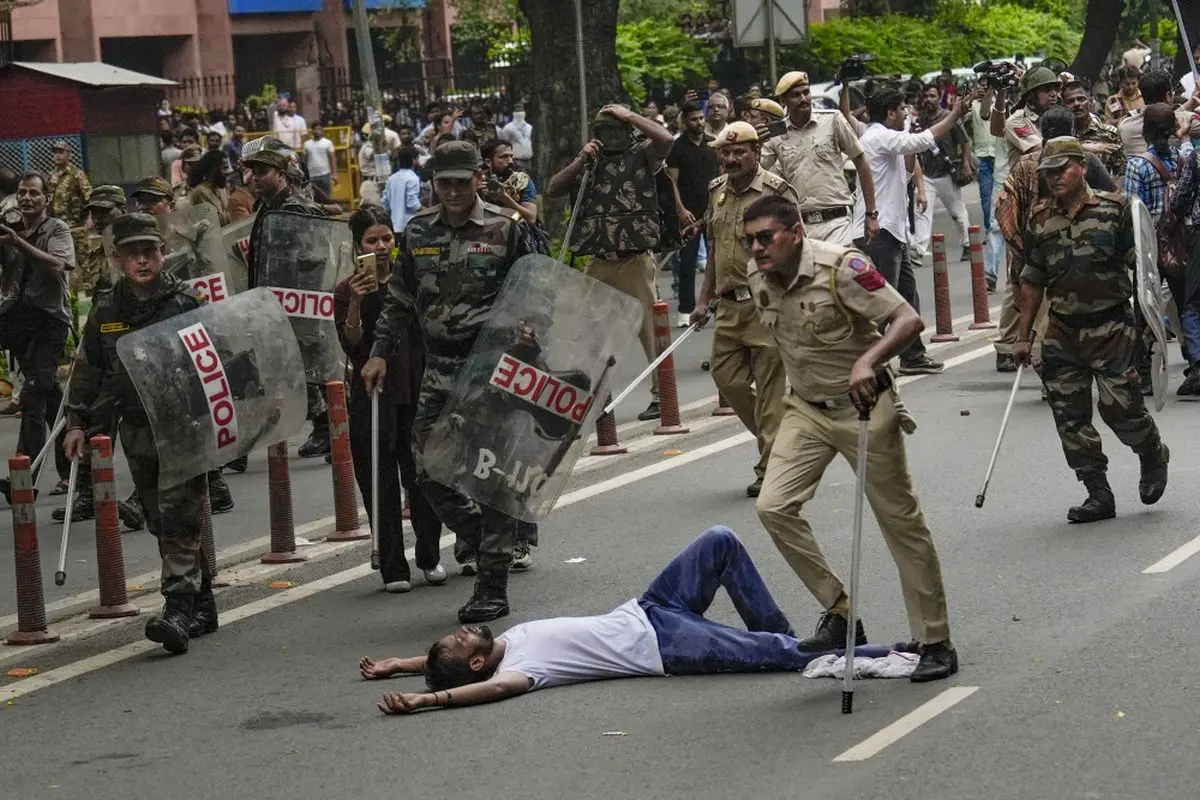
The Supreme Court on Tuesday ordered that no coercive action be taken against protestors linked to the recent student demonstrations led by the Cockroach Janata Party (CJP) at Delhi’s Jantar Mantar and in other states, while also directing the immediate release of minors detained by police.
The relief, however, will not apply to those with criminal antecedents, the court clarified.
A Bench led by Chief Justice of India Surya Kant and Justices Joymalya Bagchi and V Mohana observed that the allegations of police excesses, at least prima facie, called for a fair and independent investigation.
The court said it was considering the constitution of a high-powered committee to probe the incidents of violence and police action that unfolded during the protests.
The ruling comes against the backdrop of intense unrest around the CJP’s “Chalo Sansad” march on July 20, which began at Jantar Mantar and moved toward Parliament before clashes broke out at multiple points in central Delhi.
According to reports, the Delhi Police registered multiple FIRs after the march turned violent, with officials alleging unlawful assembly, damage to public property and attacks on security personnel.
The police response has itself come under scrutiny. Earlier reporting indicated that more than 250 videos, including CCTV, drone footage and body-camera visuals, were being reviewed as part of the investigation, while the Special Cell also began examining the possibility of a larger conspiracy behind the violence.
Police sources said digital evidence, mobile tower dumps, call detail records and location data were being analysed to reconstruct the movement of protesters and identify those involved.
At the same time, the Supreme Court directed that all relevant material connected to the protests -- including CCTV footage, drone recordings and wireless communications -- must be preserved. It also barred the public release of digital data collected from protestors, saying no personal details should be published.
Also Read: Kangana Ranaut calls CJP protesters 'Generation Gutter'; faces backlash from Opposition
The court has, meanwhile, given the Union government, Delhi Police and the other states where violence occurred an opportunity to place their versions on record. That step is expected to shape the next phase of the case, especially as the protests have expanded from a student agitation into a wider legal and political flashpoint over police conduct, protest rights and the handling of minors.