Dengue cases spike in Tamil Nadu after heavy rains, over 23,000 cases reported this year
Chennai: Tamil Nadu is grappling with a sharp rise in dengue cases, fueled by recent heavy rains and water stagnation. The Tamil Nadu Health Department has reported a total of 23,815 dengue cases this year, with November alone witnessing an alarming increase of 4,144 new cases.
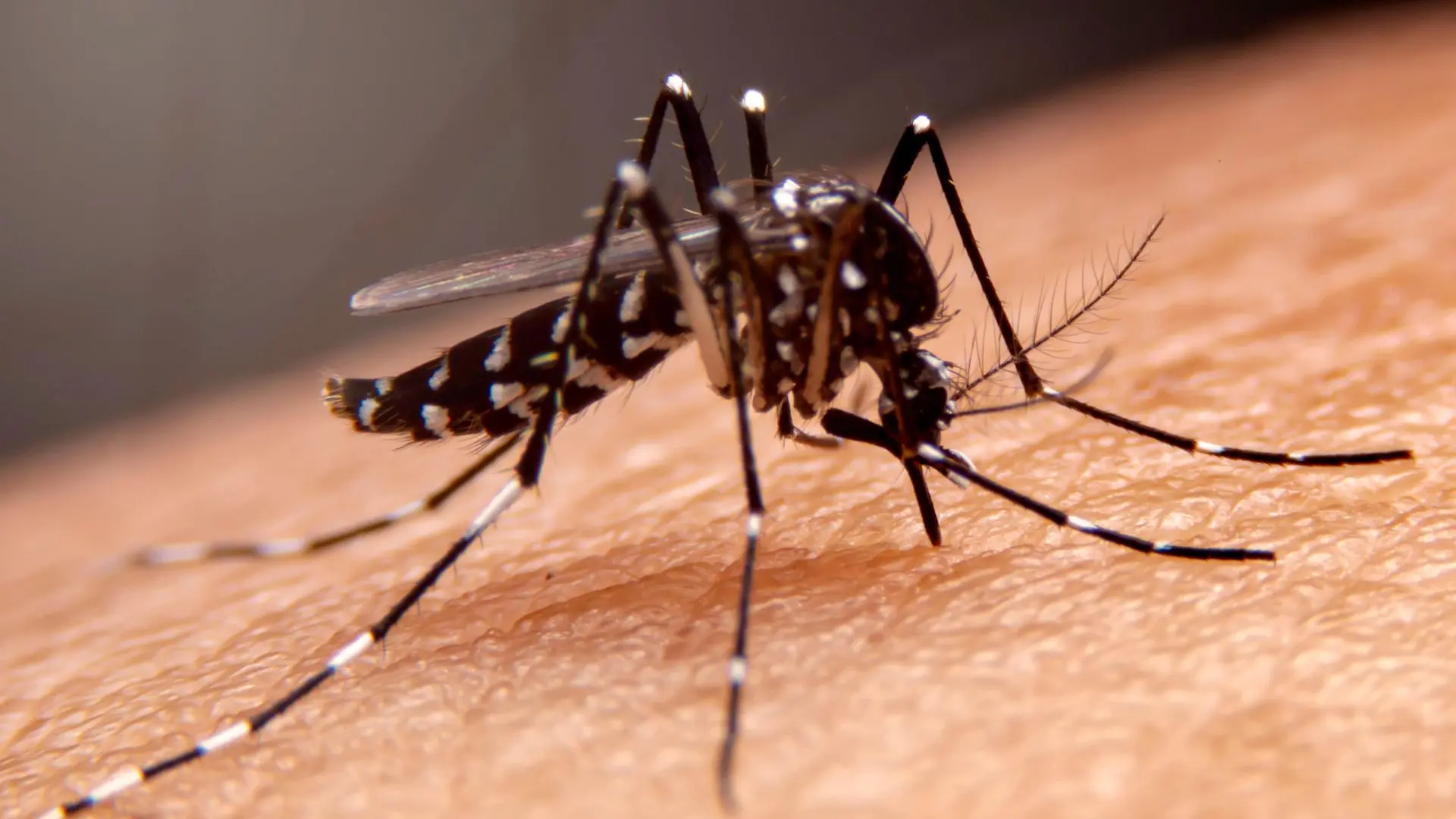
Health experts have attributed this surge in cases to the proliferation of Aedes mosquitoes, which breed in stagnant water. These mosquitoes are the primary vectors of dengue fever. Public health officials warn that the rainy season, with its heavy downpours and waterlogged conditions, provides an ideal environment for these mosquitoes to thrive.
Currently, the daily count of new dengue cases in Tamil Nadu ranges from 120 to 150, with occasional spikes reaching up to 180. This trend has been steadily rising since July, with cases increasing month by month: 2,766 cases were reported in July, 3,994 in August, 4,347 in September, and 3,662 in October.
Warnings from health experts
Dr TS Selvavinayagam, Director of Public Health and Preventive Medicine, has cautioned that dengue cases could continue to rise in the coming weeks, particularly in the aftermath of the rains. He has urged the public to stay vigilant and adopt preventive measures, such as clearing stagnant water around homes, wearing protective clothing, and using mosquito repellents.
While the number of dengue cases has surged, health officials are relieved that fatalities remain relatively low. In 2023, there were 9,121 dengue cases reported in Tamil Nadu, but only 12 deaths, thanks to proactive measures. The National Vector Borne Diseases Control Programme has credited medical camps and the early identification of fever cases for reducing mortality.
Importance of early medical intervention
Dr. Rajani Varrier, an entomologist, highlighted the importance of seeking timely medical care.
“In most cases of dengue-related deaths, delays in seeking medical attention have been a concern,” she said.
“If fever persists for two days or more, it is critical to undergo diagnostic investigations to avoid complications,” she added.
Dr. Varrier also emphasised the role of domestic breeding checkers and fogging personnel in controlling mosquito populations. She called on the state health department to intensify efforts to eliminate mosquito breeding sites, as dengue cases typically peak until January.
IANS