Centre drops land acquisition proof for green clearances, sparking environmental concerns
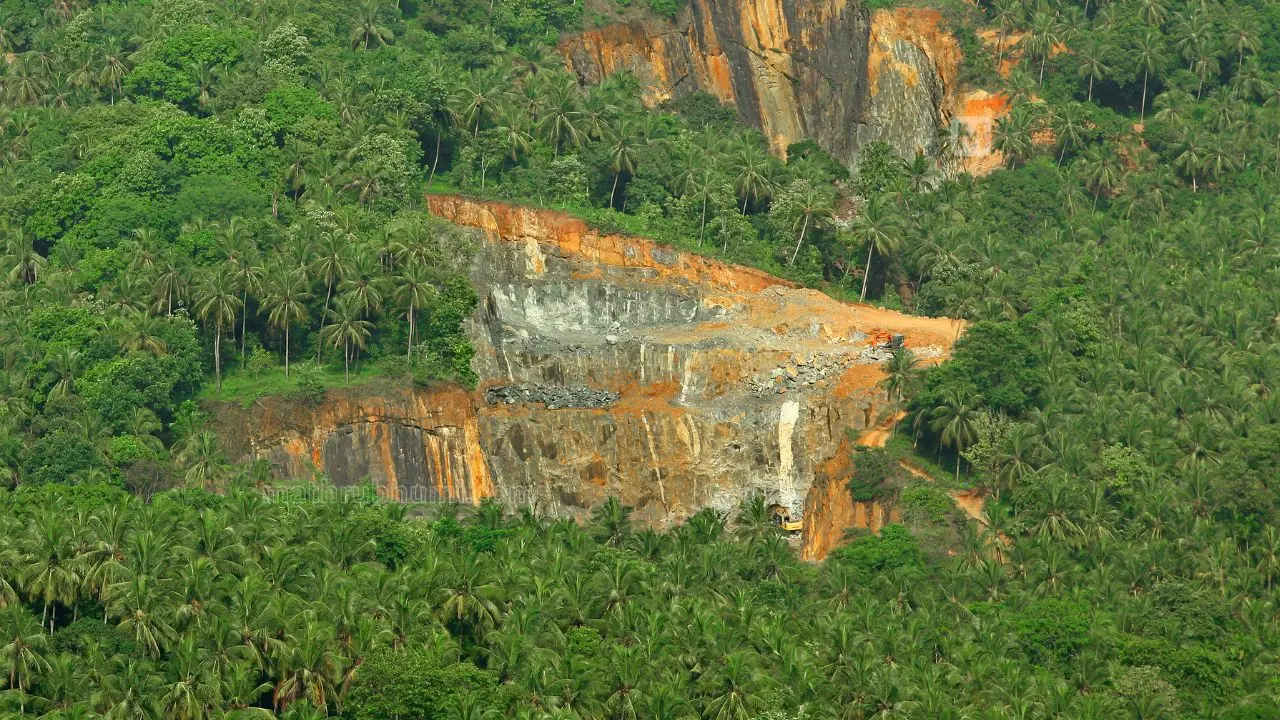
New Delhi: Developers of non-coal mining projects will no longer be required to submit proof of land acquisition as a prerequisite for obtaining environmental clearance, following a recent update by the Union Ministry of Environment, Forest and Climate Change. The Ministry has directed that applicants seeking environmental clearance for limestone and other mining projects do not need to submit land acquisition records or consent letters from landowners. This will apply to various mining activities along coasts and inland areas, as well as to national highway construction projects.
The move is explained as part of an effort to speed up project approvals. Previously, applicants could only submit applications for environmental clearance after providing all land acquisition documents. The new directive removes this requirement, prompting concerns that it could increase environmental harm.
Environmentalists warn that granting clearance without fully understanding the geographical characteristics of the area could jeopardise environmental conservation. The December 18 notification amends the office memorandum issued by the ministry in 2014.
Three types of relaxations
- Mining of minerals such as ores, limestone, lignite and installation of waste pipelines in national parks, wildlife sanctuaries, coral reefs and other environmentally sensitive areas; national highway construction.
- Oil and gas exploration and development along coasts and riverbanks.
- Installation of oil and gas pipelines near national parks, wildlife sanctuaries and other ecologically sensitive regions.
2014 requirements
- The state government had to issue an initial notification for land acquisition.
- Credible land records and landowner consent had to be submitted.
- Land acquisition had to comply with the 2013 rehabilitation and resettlement law.
Changes under the new directive
- Safety standards for ecologically important areas are no longer mandatory.
- Mining approvals may be granted near wildlife sanctuaries and environmentally sensitive zones.
- Environmental impact assessments may lack complete geographical data.
‘Natural ecosystems and resources could be adversely affected’
Kerala’s former Chief Forest Conservator Prakriti Srivastava cautioned that the move to expedite environmental clearance could weaken the 1972 Wildlife Protection Act.
“Relaxing rules to encourage mining agencies cannot be justified. This violates both Article 21, which guarantees the right to life, and Article 48A, which safeguards natural resources,” she said.