36-minute film, millions of views, Rs 50 crore lawsuit: Why is ‘The Friendship Files: How Modi and Adani Stole India’ in trouble?
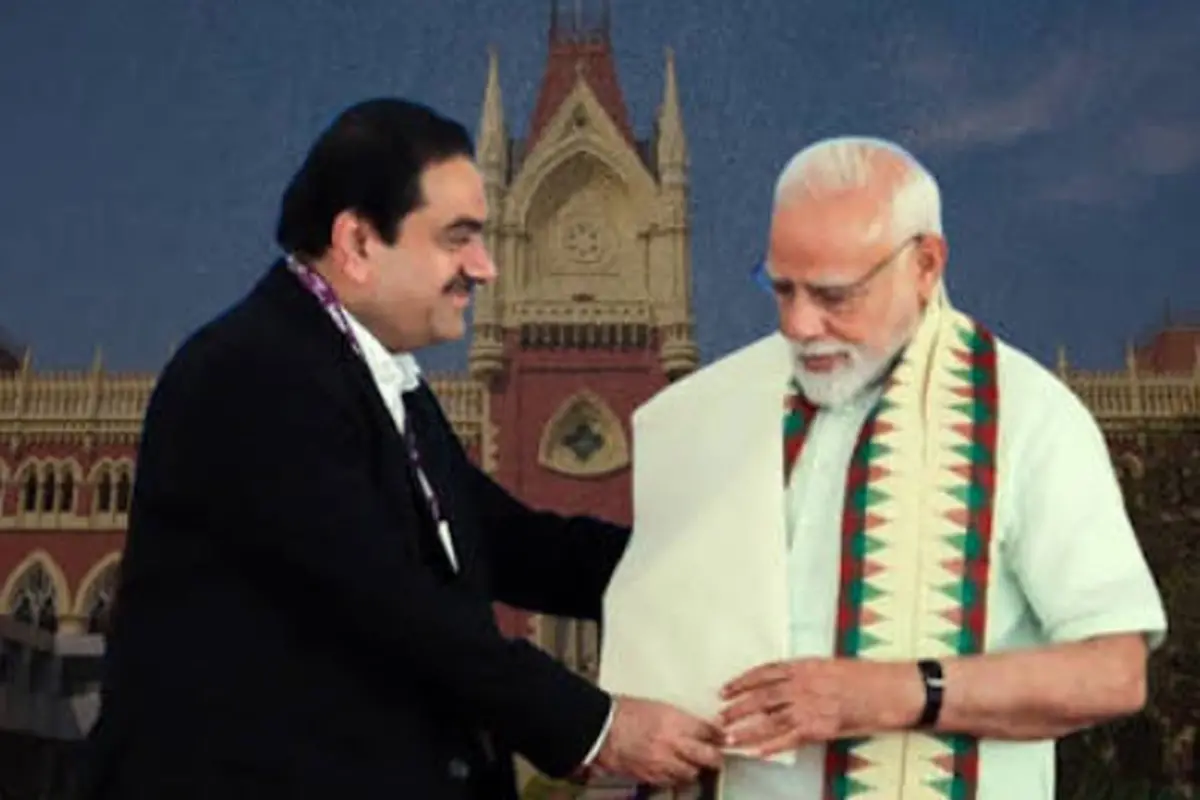
A 36-minute documentary questioning the relationship between two of India's most powerful figures has landed in the middle of a legal battle, with the Calcutta High Court ordering social media platforms to take it down.
The documentary film, titled ‘The Friendship Files: How Modi and Adani Stole India’, has triggered a Rs 50 crore defamation suit by Adani Enterprises Limited against its creator, Hotmail co-founder Sabeer Bhatia, and others.
But what exactly does the documentary allege, and why has the court intervened in its circulation?
The Calcutta High Court on Monday restrained the publication, uploading and sharing of the documentary until January 31, directing YouTube, X and Instagram to remove or disable access to the video at the specific URLs mentioned in the company's petition.
The order followed Adani Enterprises' argument that the film contained false and defamatory material that could damage its reputation and had already prompted questions from some investors.
What does the Modi-Adani documentary allege?
The documentary examines the alleged proximity between Prime Minister Narendra Modi and billionaire industrialist Gautam Adani, focusing on accusations of cronyism and the businessman's alleged access to favourable treatment under the government.
The relationship between Modi and Adani has repeatedly drawn political scrutiny, with the Prime Minister's opponents alleging that the industrialist's business interests have benefited from his proximity to the government.
Both the Indian government and the Adani Group have consistently rejected such allegations.
Titled ‘The Friendship Files: How Modi and Adani Stole India’, the film was uploaded on October 9 on Bhatia's YouTube channel and subsequently circulated on X.
The 36-minute documentary attracted millions of views across social media platforms in recent days.
Its title and presentation became central to the legal dispute. Adani Enterprises argued that the film presented allegations as established facts, suppressed material information and misled viewers.
Why did the Calcutta High Court intervene?
In its order, Justice Aryak Dutt described the documentary as a dramatised narrative rather than a conventional news report or an account of legal proceedings.
The court observed that its title insinuated theft, while its narration and visuals presented the allegations as factual.
The judge also noted that no authority had substantiated the claims made in the documentary.
The court said the matter appeared to fall within the exceptional category of defamation cases where an injunction before trial could be justified.
The court also considered the documentary's circulation online. Under the order, the original video had already been disabled, but Bhatia later re-uploaded it. The court viewed this as prima facie evidence of bad faith.
It further observed that digital content could spread rapidly through reposts and re-uploads, potentially causing reputational damage that monetary compensation might not adequately address.
Adani Enterprises, however, maintained that it was not seeking to prevent legitimate scrutiny of government policy or criticism of business concentration. It told the court that its objection was directed at allegedly false and misleading claims.
The court directed platforms to disable not only the specified video links but also reposts, quote posts, shares, and other engagements that kept the content accessible through the URLs identified in the petition.
What happens next in the legal battle?
Beyond ordering the takedown, the court directed YouTube, X and Instagram to preserve subscriber and registration details, along with IP addresses and access logs relating to the accounts and URLs listed in the petition.
The court also instructed platforms to submit basic subscriber information in a sealed cover within two weeks for accounts whose owners could not be identified.
Bhatia responded to the lawsuit on Tuesday, taking a swipe at Adani Enterprises' Rs 50 crore claim. In a social media post, he said he would value the alleged reputational damage at zero.
‘I contend that wealth acquired through alleged wrongdoing does not confer credibility or reputation,’ Bhatia wrote, adding that if the reputational damage was zero, the compensation should also be zero.
The matter is scheduled to return to the Calcutta High Court on January 31. Until then, the documentary remains at the centre of a legal confrontation over allegations, corporate reputation and the boundaries of online criticism.