BPSC exam: SC refuses to hear plea over alleged irregularities and atrocities
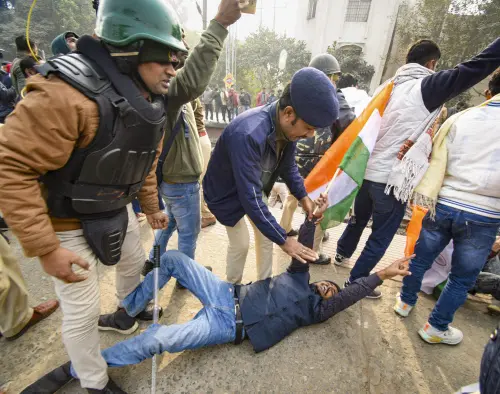
New Delhi: In the latest development surrounding the controversy over the Bihar Public Service Commission (BPSC) examination, the Supreme Court on Tuesday declined to hear a plea on alleged irregularities in the exam and police action against protesters.
The Supreme Court advised the petitioners to approach the Patna High Court, emphasizing the need to first exhaust state-level remedies. The plea had sought intervention on alleged malpractices in the December 13, 2024, BPSC exam and police atrocities on protesting aspirants.
The petitioners had raised concerns over fairness in the recruitment process, citing allegations of question paper leaks. The BPSC conducted a retest on January 4 for select candidates, but the move failed to quell protests, with many demanding broader accountability.
Chief Justice Sanjiv Khanna, while hearing the matter, acknowledged the concerns of the petitioners. "We understand your sentiments attached to the matter... but we cannot be the court of first instance," the CJI reportedly remarked.
Prashant Kishor launched a fast unto death on January 2 at Patna's Gandhi Maidan, calling for the cancellation of the controversial exam. On Monday, he was detained by police, who termed the protest "illegal" as it was held at a restricted site. Kishor was later released on bail but reportedly suffered dehydration and weakness.
On Tuesday, Kishor was admitted to a private healthcare facility for a comprehensive medical check-up. Party leaders stated that his health had deteriorated following his arrest and subsequent release.
The BPSC retest, conducted on January 4, saw participation from 5,943 candidates out of 12,012 eligible aspirants. The commission stated that the exam was held peacefully without any misconduct. However, protestors, including Kishor, have alleged systemic flaws in the recruitment process, demanding greater transparency and accountability.