Addiction is a mental illness, not just crime: Bombay HC stresses psychiatric care before bail
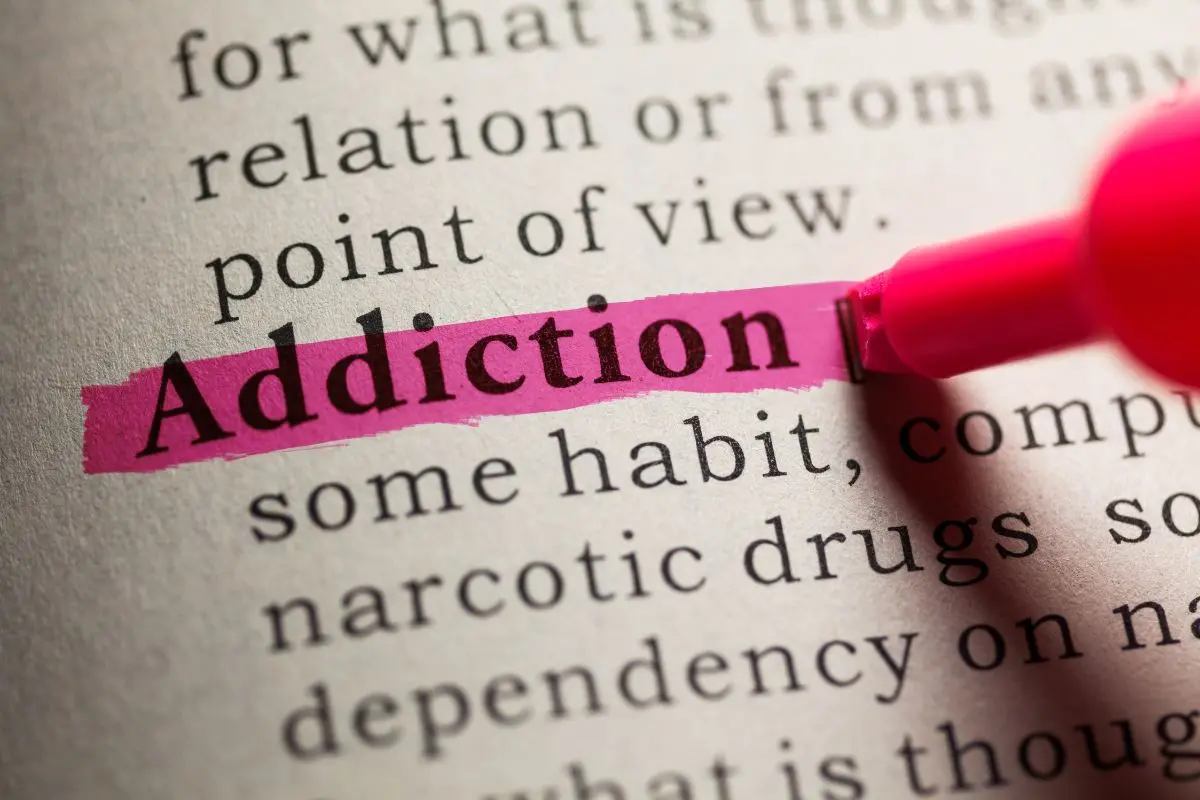
Mumbai: The Aurangabad bench of the Bombay High Court has emphasised the need for proper psychiatric treatment and rehabilitation of individuals suffering from alcohol or drug addiction before granting them bail, citing concerns over public safety.
The directive came during a hearing on a bail application filed by Pramod Dhule, who was arrested for the alleged harassment and murder of his wife. Dhule, formerly a CRPF personnel, had been dismissed from service due to habitual misconduct linked to alcohol addiction.
Justice Sanjay Deshmukh, presiding over the matter, declined to grant bail, stating that, "Instead of releasing such persons on bail without proper treatment and rehabilitation, it would be beneficial to treat them for their mental illness in the interest of the safety of society at large."
The High Court observed that addiction to alcohol or drugs constitutes a mental illness under the Mental Healthcare Act, 2017, specifically citing Section 2(1)(s), which includes mental conditions associated with substance abuse. It also cited the World Health Organisation (WHO), which recognises addiction to prohibited substances as a form of mental illness.
The court added that, "If a person is addicted to liquor or drugs, it creates an irresistible impulse to commit overt acts. Due to such illness, an irresistible impulse is created in the minds of such individuals, causing them to become violent and commit crimes, generally assault, for money, resulting in serious injury or death to innocents."
The judge raised serious concerns about the easy availability of illicit liquor and drugs despite legal prohibitions, particularly among the youth.
"Prohibited drugs are provided to the new generation by neighbouring countries, constituting a 'drugs war' against our country," the bench noted.
Highlighting a broader systemic issue, the court stated that individuals suffering from addiction often face social stigma rather than medical treatment, especially those from marginalised and economically weaker backgrounds.
"Though they suffer from mental illness, they are often harshly condemned due to a lack of awareness about mental illness instead of being considered sympathetically, as other illnesses are treated," the court remarked.
The bench criticised routine and superficial medical examinations of such accused persons by police, calling for strict adherence to procedures under the Mental Healthcare Act.
"As per the procedure outlined in the Act, police, after arresting addicted persons and before producing them for remand, should ensure their medical examination and treatment."
Following the withdrawal of Dhule’s bail application, the court directed the Nanded Jail authorities to take him to the district hospital for a psychiatric assessment.
If diagnosed as mentally ill due to alcohol addiction, he must be admitted to a rehabilitation centre until full recovery, it added.
Furthermore, the High Court instructed that in such cases, medical examination by a psychiatrist must be mandatory. If the accused is found to be mentally ill, they should receive treatment at a rehabilitation facility based on the psychiatrist’s report, with support from counsellors or psychologists.
To address the issue on a larger scale, the court directed the Maharashtra State Legal Services Authority to organise awareness programmes on rehabilitation for drug and alcohol addiction.
Justice Deshmukh concluded that such coordinated efforts from the police, jail authorities, and judiciary would not only reduce crime rates but also promote the reformative aims of criminal justice.
"If this course is followed by all concerned... society will be relieved from the legal mischief of such persons, fulfilling the objective of the reformative theory of punishment," the order stated.
PTI