Why BJP lost Varanasi and Lucknow Graduates’ MLC seats despite winning six of 11 in UP
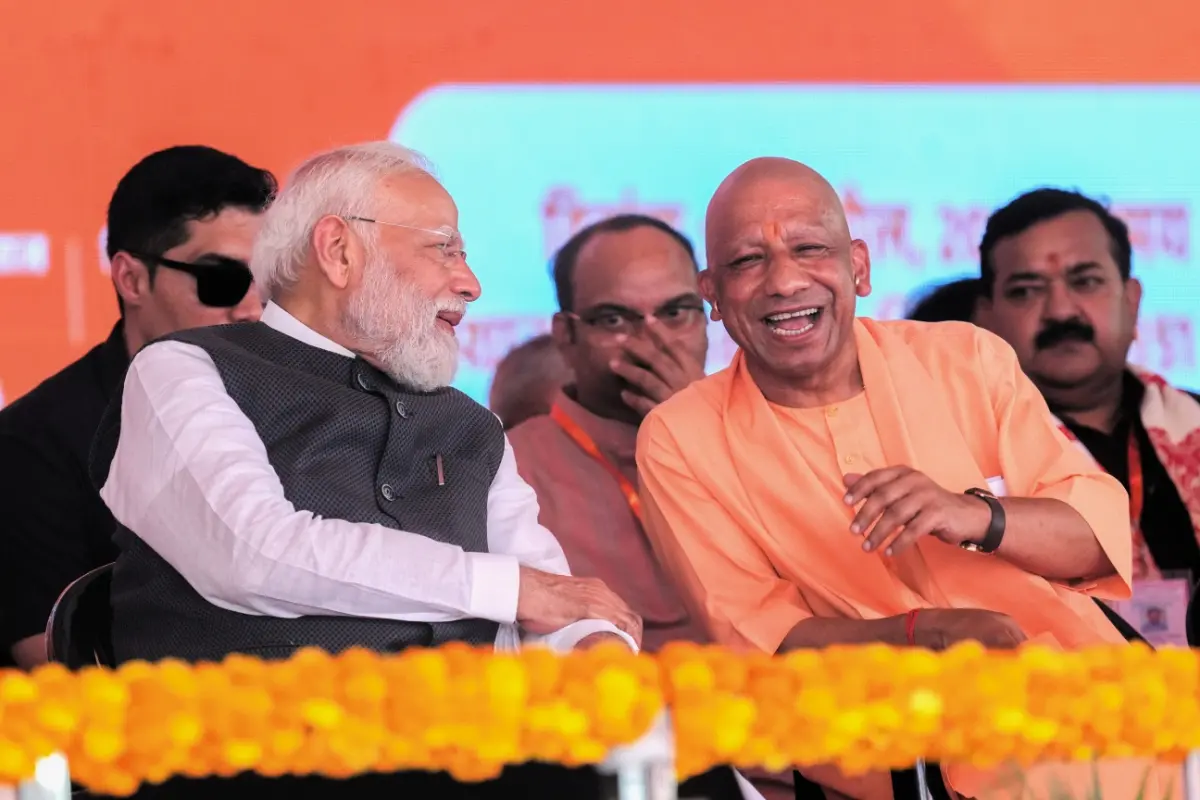
The Samajwadi Party’s victories in Prime Minister Narendra Modi’s parliamentary constituency and the Lucknow Graduates’ seat have put the BJP’s candidate selection, grassroots mobilisation and local organisation under scrutiny ahead of the 2027 Uttar Pradesh Assembly elections.
The Bharatiya Janata Party (BJP) has suffered a political setback in Varanasi and Lucknow in the Uttar Pradesh Legislative Council elections, with the Samajwadi Party (SP) winning both seats in Varanasi and wresting the Lucknow Graduates’ seat from the ruling party.
However, the BJP retained the Lucknow Teachers’ seat and won six of the 11 constituencies contested, while the SP secured five.
The results, declared on October 29, come months before the 2027 Uttar Pradesh Assembly elections.
They offer the opposition an opportunity to question the BJP’s organisational strength, particularly after the party’s reduced tally in the state in the 2024 Lok Sabha elections.
Yet, the MLC results need to be read in context. The five Graduates’ and six Teachers’ constituencies have specialised electorates and cannot, by themselves, establish a statewide shift in political support. Several factors, however, offer clues to the BJP’s setbacks.
Why did the BJP lose its strongholds?
1. Candidate selection comes under scrutiny: The selection of candidates has emerged as one of the central questions following the results. In Lucknow, SP candidate Kanti Singh defeated sitting BJP MLC Avneesh Kumar Singh in the Graduates’ constituency, securing 56,905 votes against his 39,778. The result reversed the 2020 election, when Avneesh Kumar Singh defeated Kanti Singh.
According to an NDTV report, the BJP’s choice of candidate in Lucknow reportedly faced opposition within sections of the party. Similar questions have been raised about candidate selection in Varanasi and other constituencies where the BJP suffered setbacks.
Internal dissent can affect campaign coordination and local mobilisation, but its precise contribution to the defeats has not been independently established.
The results nevertheless put the party’s candidate-selection process under scrutiny.
2. Overconfidence and reliance on Modi-Yogi popularity
The BJP’s leadership had campaigned ahead of the polls, including Chief Minister Yogi Adityanath, who addressed a gathering of teachers and graduates on October 14. Yet, the party failed to secure the Varanasi Graduates’ and Teachers’ seats.
A senior BJP leader, speaking to The Indian Express on condition of anonymity, attributed the setback to ‘over-confidence and negligence’. Another party leader told the newspaper that the BJP organisation had relied on the popularity of Prime Minister Narendra Modi and Chief Minister Yogi Adityanath instead of reaching out directly to voters. The report did not name either leader.
These are assessments from within the party, not independently verified explanations. However, they point to a possible gap between the BJP’s broader political appeal and what it takes to win elections in smaller, constituency-specific electorates.
3. The SP’s grassroots mobilisation
The SP’s performance suggests that local organisation and voter outreach were important factors in the contest. A BJP leader told The Indian Express that SP workers had been more active in registering their supporters as voters.
Graduates’ and Teachers’ constituencies require candidates and party workers to engage directly with eligible voters.
Personal networks, professional associations and voter registration can be particularly consequential in these elections.
The SP’s victories in Varanasi and Lucknow indicate that the party was able to mobilise sufficient support in these constituencies. However, the available reports do not establish a precise numerical contribution from voter-registration efforts or campaign activity.
4. Varanasi’s result carries symbolic significance
Modi's win in Varanasi, a Lok Sabha seat, was among the most politically significant setbacks for the BJP. The SP retained the Varanasi Teachers’ constituency through Lal Bihari Yadav, who secured 11,612 votes, and won the Graduates’ constituency through Ashutosh Sinha.
According to the Press Trust of India, Sinha was declared elected with 55,046 votes.
The counting process in the Graduates’ constituency continued for an extended period and was accompanied by allegations of irregularities from both parties.
BJP candidate Kedar Nath Singh demanded a recount, alleging anomalies in the process. These were allegations, not established findings of wrongdoing.
The result is significant because the BJP had campaigned in the constituency and the contest had become a test of its local political organisation. However, Varanasi’s MLC results should not be confused with a defeat in the parliamentary constituency itself.
5. The wider political backdrop may have added to the pressure
The MLC elections took place against the backdrop of the BJP’s reduced performance in Uttar Pradesh in the 2024 Lok Sabha elections.
According to published election results, the party won 33 seats in the state, down from 62 in 2019.
The BJP sought to show it had regained political ground ahead of the 2027 Assembly elections. The setbacks in Varanasi and Lucknow therefore carry significance beyond the individual contests.
Issues such as unemployment and examination paper leaks have also featured in the wider political debate.
The Indian Express noted that the MLC results offered clues about how sections of the educated electorate viewed contemporary issues. However, the election results alone do not establish that these concerns caused the BJP’s defeats.
What do the results mean for 2027?
The final tally offers a mixed picture. The BJP won six seats, matching its 2020 tally, while the SP increased its tally from three to five.
The SP’s gains included the Lucknow Graduates’ seat and the Agra-Aligarh Teachers’ seat, previously held by an Independent.
The BJP, meanwhile, retained the Lucknow Teachers’, Meerut Graduates’, Meerut Teachers’, Agra Graduates’, Bareilly-Moradabad Teachers’ and Gorakhpur-Faizabad Teachers’ seats.
The results give the SP a political boost and raise questions about candidate selection and organisation within the BJP. They do not, however, establish that the ruling party has lost the wider electorate in its strongholds.
The central question for the BJP is whether the setbacks reflect constituency-specific factors or expose organisational weaknesses that could affect future contests.
A detailed review of voting patterns, candidate performance and local campaign management will be necessary before drawing broader conclusions about the 2027 Assembly elections.