Bhojshala row: Supreme Court allows Friday namaz from 1 pm to 3 pm on adjacent dargah land
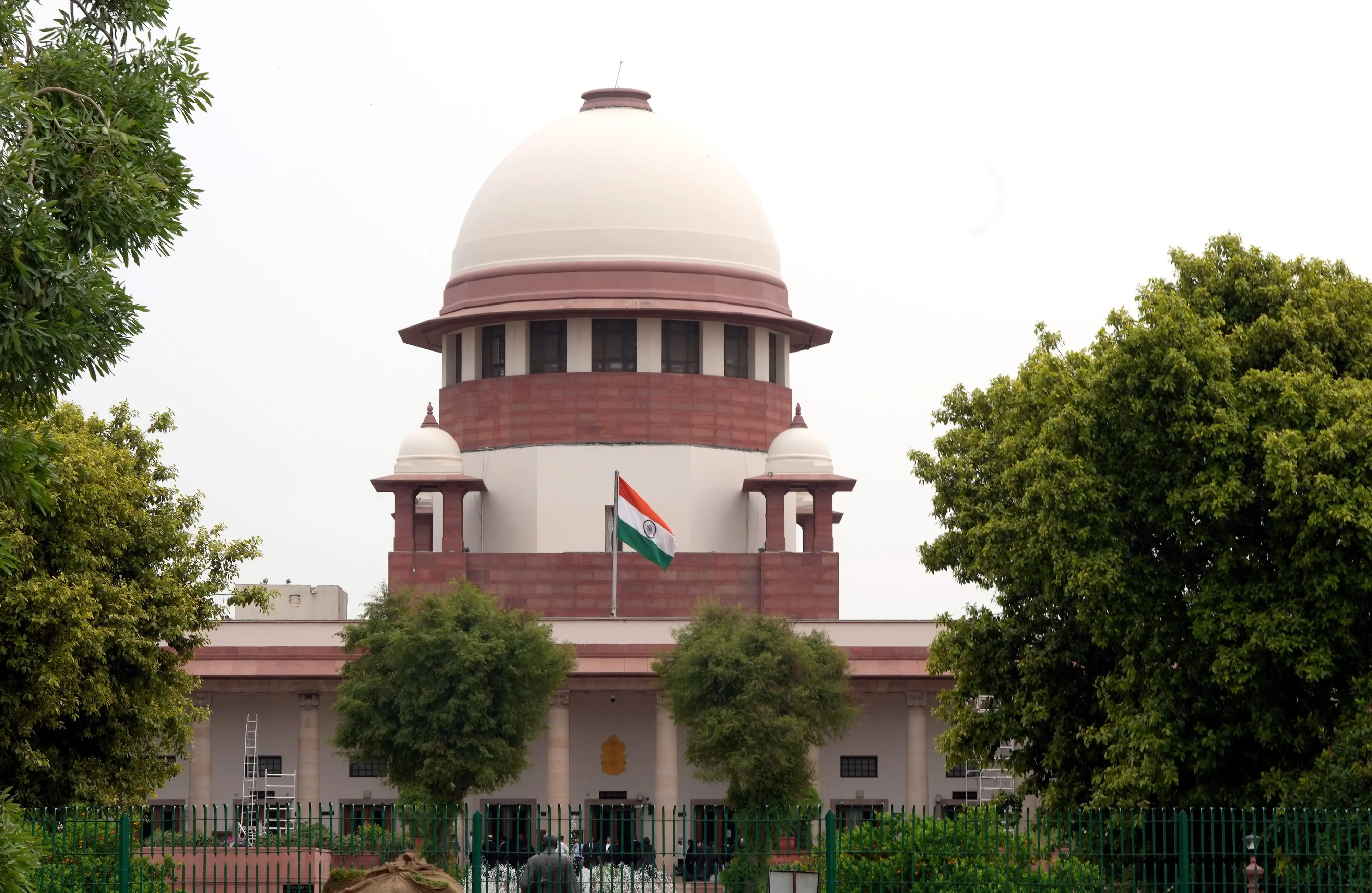
New Delhi: The Supreme Court has removed uncertainty over where Friday namaz can be offered near the disputed Bhojshala-Kamal Maula complex in Madhya Pradesh's Dhar, directing that prayers be held on an adjacent parcel of dargah land with a separate access road. The clarification means the Muslim community can offer namaz there every Friday between 1 pm and 3 pm, even as the larger ownership dispute over Bhojshala remains pending before the court.
Instead of restoring prayers inside the disputed premises, the court opted for a middle path, identifying land next to the complex while emphasising that concerns over law and order cannot be used to deny constitutional rights.
Why did the Supreme Court step in again?
The clarification came after the Muslim side informed the court that the alternative site allotted by the district administration was located more than a kilometre away by road, arguing that it did not comply with the Supreme Court's earlier direction to provide a place for Friday prayers "near" the Bhojshala complex.
Senior Advocate Huzefa Ahmadi told the Bench that multiple waqf properties adjoining the disputed site were available and that their mutawallis had no objection to allowing prayers there. He also argued that fears of protests could not become the basis for restricting religious freedoms.
A Bench comprising Chief Justice of India Surya Kant and Justices Joymalya Bagchi and V. Mohan accepted one of the sites shown on the map during the hearing, a plot of dargah land immediately adjoining the Bhojshala complex.
The judges noted that the land has an independent access road, making it suitable for Friday prayers without requiring entry into the disputed premises. The court directed the State government to ensure necessary arrangements are made for namaz every Friday between 1 pm and 3 pm.
The Bench also made it clear that its order does not prevent the parties from mutually agreeing on another suitable location in the future.
During the hearing, the Madhya Pradesh government maintained that its primary concern was maintaining peace and public order. However, the Supreme Court observed that ensuring law and order is the State's constitutional responsibility and cannot by itself become a reason to overlook religious rights.
What is the Bhojshala dispute about?
The latest order does not decide who owns or controls the Bhojshala-Kamal Maula complex.
The main case stems from the Madhya Pradesh High Court's judgment declaring the disputed Bhojshala premises to be a temple dedicated to Goddess Saraswati. That verdict has been challenged before the Supreme Court, where the larger dispute remains pending.