Bengaluru-Goa Vande Bharat: New route, timings, speed boosts and key details for passengers
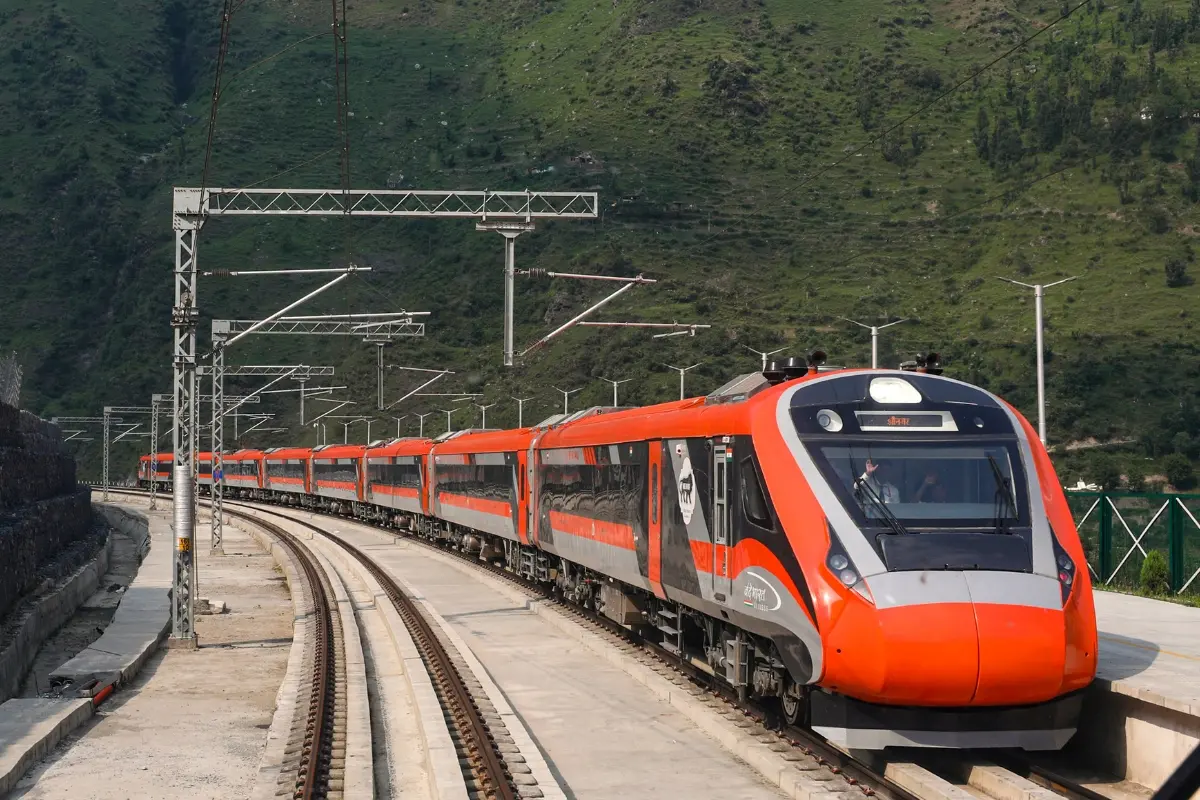
Travellers between Karnataka’s capital and the beaches of Goa may soon have a faster, more comfortable option. Indian Railways is preparing to launch a new semi-high-speed Vande Bharat Express linking Bengaluru with Goa, with officials confirming that a detailed proposal has been submitted to the Railway Board for approval. The service would connect Yesvantpur Junction to Madgaon Junction.
South Western Railway (SWR), which has led the proposal in coordination with Southern Railway and the Konkan Railway Corporation Limited, says the project has gained momentum following directives issued by Railway Minister Ashwini Vaishnaw during a recent high-level review.
Below is a breakdown of what the proposed service would look like, and what it means for passengers.
Tentative timings
Under the draft timetable, the Vande Bharat would run six days a week, covering roughly 700 km in about 13 hours and 10 minutes.
- From Bengaluru: Departure at 6:05 am from Yesvantpur, arrival in Madgaon at around 7:15 pm
- From Goa: Departure at 5:30 am from Madgaon, arrival back in Yesvantpur at 6:40 pm
These timings account for steep gradients and speed restrictions in the Western Ghats, particularly on the Sakleshpur–Subrahmanya Road stretch.
The Railway Board has asked SWR to reconsider the Bengaluru departure time and explore a post-6:30 am start.
Skipping Mangaluru to save time
In a significant operational decision, the proposed service will bypass both Mangaluru Junction and Mangaluru Central, instead using the Padil bypass.
Officials say halting at these busy stations would slow the train considerably, potentially adding more than an hour to the journey. The chosen alignment aims to streamline operations and maintain a consistent timetable.
Intermediate halts are expected at Hassan Junction, Sakleshpur Railway Station, Subrahmanya Road Station, and Padil.
Speed enhancements proposed
Although Vande Bharat trains are designed for speeds above 160 km/h, the current average on this route is projected to remain below 50 km/h due to difficult terrain.
To improve timings, SWR has submitted technical upgrade requests, including:
- Raising speed limits between Chikka Banavara and Hassan from 110 km/h to 130 km/h.
- Allowing trains to operate at 40 km/h (up from 30 km/h) on the challenging ghat section between Sakleshpur and Subrahmanya Road.
These changes could trim journey time once implemented.
Why two trainsets are needed
Given the long distance and full-day schedule in both directions, SWR says the service will require two separate Vande Bharat rakes, one originating in Bengaluru and the other in Goa. Both would depart simultaneously in the morning and return by evening, ensuring daily availability.
Yesvantpur, and not KSR Bengaluru City Junction, has been chosen for operational reasons, primarily due to maintenance constraints at the latter.
What is delaying trial runs?
Before any public launch, mandatory trial runs must be conducted using Vande Bharat rakes equipped with Automatic Emergency Braking (AEB).
However, one crucial prerequisite remains incomplete: the overhead electrical equipment on the recently electrified Hassan–Thokur section must be fully certified and energised. Only then can test runs begin.
Officials say the proposed timings have been calculated while accounting for ghat-section restrictions, train crossings, and current speed caps.
How passengers stand to benefit
If approved, the new service would:
- Provide the fastest rail travel option between Bengaluru and Goa.
- Significantly improve comfort compared with overnight buses and slower express trains.
- Offer a daytime, semi-high-speed alternative with modern amenities.
- Reduce dependence on road travel through the congested Charmadi and Shiradi Ghat routes.
- Strengthen connectivity between two of South India’s most-visited tourism hubs.