Note to solo drivers: Bengaluru may soon charge you a congestion tax
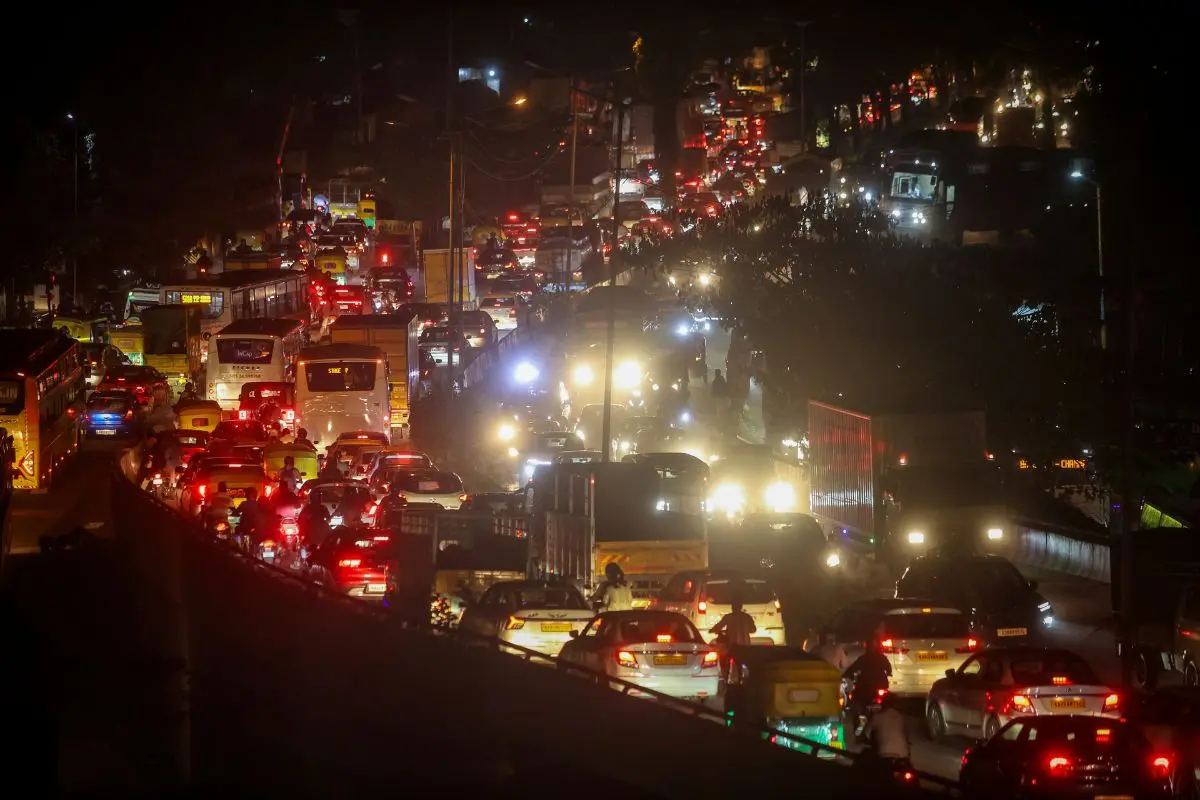
Bengaluru: Bengaluru, India's IT hub long plagued by traffic jams and poor infrastructure, is considering implementing a congestion tax on single-occupancy vehicles entering high-traffic zones such as the Outer Ring Road (ORR). This move is part of a 90-day action plan by the Karnataka government aimed at easing chronic gridlock and improving the city's road conditions and infrastructure.
How the congestion tax works
The proposal seeks to charge a fee specifically on cars with only one occupant during peak hours on busy stretches like the ORR. The amount would be automatically deducted through the existing FASTag system, making it seamless for vehicle owners. By exempting vehicles with two or more passengers, the scheme encourages carpooling and shared mobility as a way to reduce the number of vehicles on the road.
The goals behind the tax
The primary objective is to discourage solo driving in congested areas, thereby reducing traffic volume and emissions. The government also plans to use the revenue raised from this tax to fund improvements in public transport and road infrastructure. Besides the congestion tax, the 90-day plan includes pothole repairs, quality monitoring of asphalting work, and stricter contract management for ongoing projects.
Challenges and criticism
While congestion pricing has proven effective in cities like London and Singapore, experts caution that Bengaluru’s public transport network is currently inadequate to support such a shift. The city’s limited metro and bus connectivity means many commuters rely on private vehicles simply because alternatives are not dependable or accessible.
Citizens and mobility experts warn that imposing this tax without first improving public transport could unfairly burden daily commuters. Critics argue that before a congestion tax is imposed, Bengaluru must fix its crumbling infrastructure and provide viable transit options to make the switch feasible and equitable.