BCI chief apologises to law students amid row over CJI Surya Kant’s NALSAR convocation
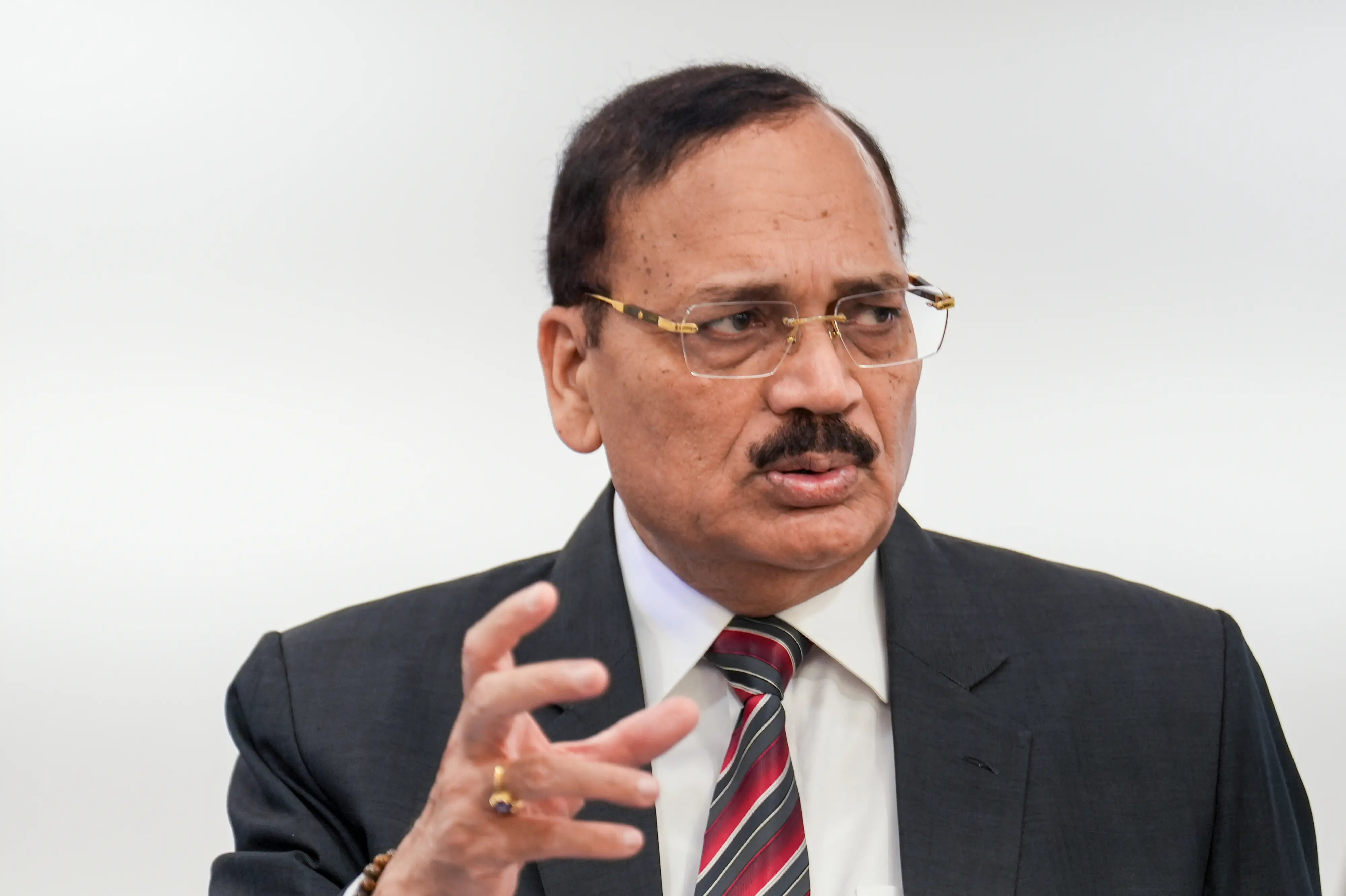
New Delhi: Bar Council of India (BCI) chairperson Manan Kumar Mishra has apologised to law students following a controversy over the council’s handling of objections to Chief Justice of India (CJI) Surya Kant attending the 2026 convocation of NALSAR University of Law in Hyderabad.
In a letter issued on Independence Day, Mishra said he regretted any of his words or communications that may have hurt the feelings of law students. While he did not name NALSAR or directly refer to the dispute, his remarks came after students from NALSAR and National Law School of India University (NLSIU), Bengaluru, demanded an apology from the BCI.
“If anything connected with the present controversy, any of my words, or letter, has hurt the feelings of our law students, I sincerely regret and apologise for the same,” Mishra said.
He added that apologising was not a matter of “prestige or ego”, but an acknowledgement that the concerns of students mattered.
What is the controversy about?
The dispute began after students at NALSAR objected to CJI Surya Kant being invited as the chief guest for their 2026 convocation.
On August 13, the BCI ordered a halt to the enrolment of NALSAR’s graduating batch, in connection with the students’ campaign against the CJI’s participation in the event.
The move triggered criticism from members of the legal fraternity. The BCI withdrew the order within hours.
The NALSAR Student Bar Council subsequently demanded a public apology from Mishra, criticising the BCI’s handling of the episode.
Students and alumni of NLSIU, Bengaluru, later issued a joint statement supporting the demand. NLSIU students also opposed the presence of both the BCI chairperson and the CJI at their convocation.
What did the BCI chief say?
In his latest statement, Mishra described students of National Law Universities as some of the country’s most informed and discerning young citizens.
He said their actions are closely watched within the legal education system and can influence how students at other law colleges approach similar issues.
Mishra also acknowledged that peaceful protests and disagreement are part of a constitutional democracy. However, he urged students to reconsider their positions objectively if further facts or clarifications emerge.
What about the convocation?
Mishra described a convocation as a special occasion that cannot easily be recreated and said the decision to attend or skip it should ultimately be left to students.
“No student should be compelled to attend, and no student should feel compelled to abstain,” he said, urging students to make their decisions independently after considering the issue in its entirety.
He also cautioned against allowing the dispute to acquire a “political or extraneous colour through outside influence”.
Mishra called for the matter to be resolved fairly and in a spirit of reconciliation.