Assam passes bill banning polygamy; CM Sarma promises UCC if re-elected
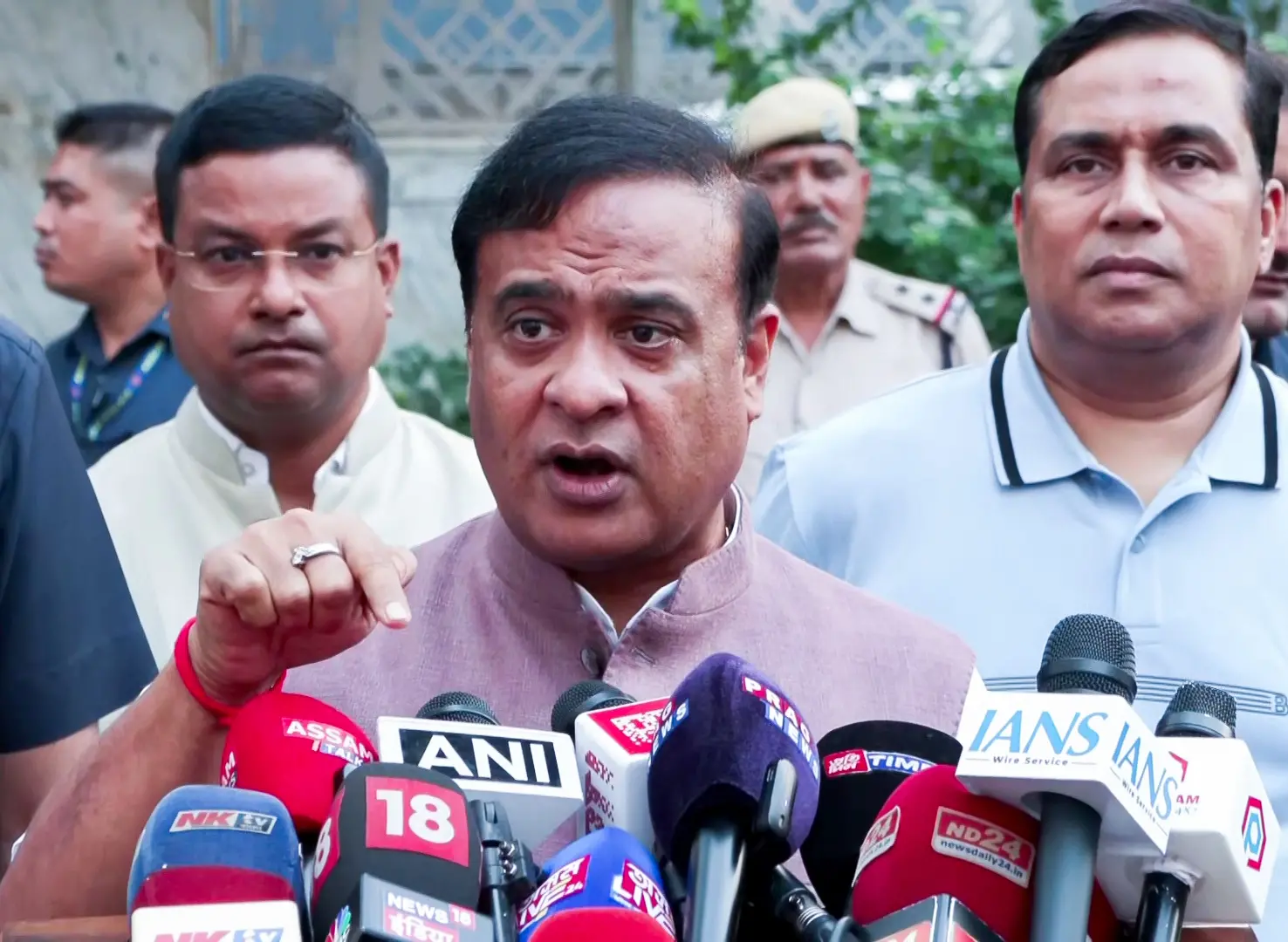
Guwahati: The Assam Assembly on Thursday approved a legislation outlawing polygamy, making the practice a criminal offence punishable by up to 10 years’ imprisonment, subject to specific exemptions. The bill now awaits presidential assent.
Chief Minister Himanta Biswa Sarma hailed the move as a significant step towards the eventual implementation of a Uniform Civil Code (UCC) in the state. He pledged that, should he return as Chief Minister following next year’s assembly elections, a UCC bill would be introduced in the first session of the new government.
Scope and exemptions
The Assam Prohibition of Polygamy Bill, 2025, excludes communities listed under the Scheduled Tribes (ST) category and areas governed by the Sixth Schedule of the Constitution. Sarma stressed during the debate that the legislation applied “irrespective of religion” and was “not against Islam”, as some critics had suggested.
“The Hindus are not free from polygamy. That is also our responsibility,” he said. “This bill will cover people from Hindu, Muslim, Christian and all other societies.”
The chief minister said the government’s wider policy goal was women’s empowerment. “For 75 years, male MLAs have made laws benefiting men. Now we are giving justice to all, but with a little bias towards our mothers and sisters,” he said, describing the bill as a tribute to the “exploited and tortured” women of Assam.
Opposition concerns declined
Opposition parties, including the AIUDF and CPM, proposed amendments, with CPM MLA Manoranjan Talukdar calling for the bill to be referred to a Select Committee for detailed scrutiny. He argued that all communities should fall within the remit of the law and warned that expanded police powers could be misused.
Sarma responded that sending the bill to a Select Committee would represent “a defeat” for the Assembly and encouraged members to consider amendments at a later stage instead. Addressing AIUDF members directly, he remarked, “If this law is passed unanimously, you will get a chance to become true Muslims.”
Stricter penalties and disqualifications
Under the bill, entering a polygamous marriage is punishable with up to seven years’ imprisonment and a fine. Concealing an existing marriage to enter a second carries a maximum penalty of 10 years. Repeat offenders would face double the prescribed punishment.
Village heads, qazis, parents or legal guardians who conceal information or knowingly participate in such a marriage could face up to two years in prison and fines of up to Rs 1 lakh. Anyone who solemnises a marriage in violation of the law could be fined up to Rs 1.5 lakh or jailed for up to two years.
A person convicted under the legislation will be barred from government employment, government welfare schemes and contesting panchayat or urban local body elections. The bill also includes provisions for compensating victims.
Debates on tribal autonomy and personal law
Sarma defended the exclusion of tribal communities and Sixth Schedule areas, citing the need to respect customary laws and the autonomy of bodies such as the Bodoland Territorial Council. He expressed hope that the Bodo, Karbi and Dimasa councils would eventually adopt similar laws.
Responding to AIUDF concerns about conflicts with the Muslim Personal Law (Shariat) Act, 1937, Sarma said that existing personal law provisions prevented the enforcement of polygamy-related sections under the new Bharatiya Nyaya Sanhita (BNS). He noted that a government-appointed expert committee had reviewed the compatibility of Muslim personal law with the Directive Principles relevant to a UCC.
He added that the Muslim community in Assam had largely opposed polygamy, with only two submissions favouring conditional acceptance. “In Islamic society, monogamy is the law, polygamy is an exception. That is why many Islamic countries have also banned it,” he said.
Political reaction
AIUDF MLA Aminul Islam argued that the bill infringes on constitutional rights and personal freedoms of Muslims. Independent MLA Akhil Gogoi accused the chief minister of using the legislation to foster communal polarisation ahead of the 2026 state elections.
Sarma also announced plans for further legislative measures, including raising the legal marriage age for women from 18 to 21, banning practices such as ‘nikah halala’, and introducing a bill against “deceptive marriage” by the end of February.
PTI