Remarks on Op Sindoor: Ashoka University professor’s arrest sparks widespread condemnation
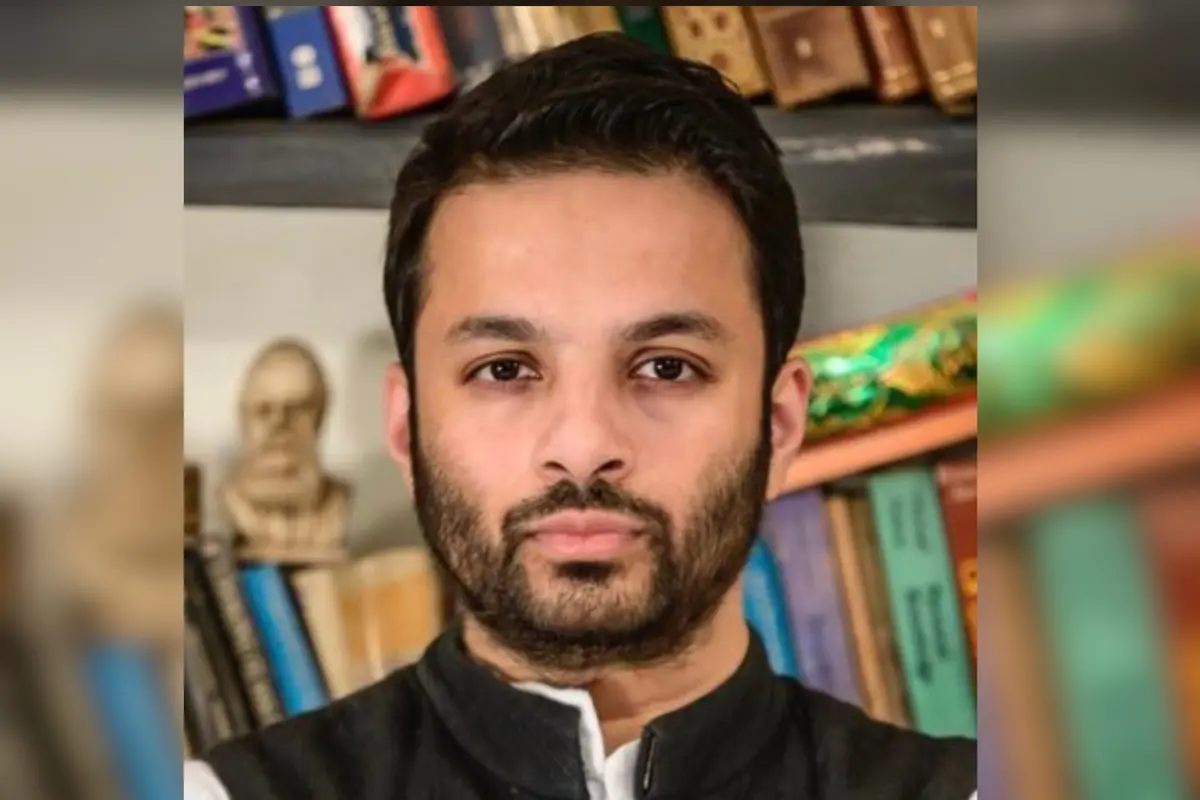
The arrest of Ashoka University associate professor Ali Khan Mahmudabad on Sunday, has provoked widespread backlash from political leaders, academics, and civil society. Mahmudabad, head of the political science department at the private university, was taken into custody in Delhi by Haryana police on charges including acts endangering the sovereignty and integrity of India, statements conducing to public mischief, and promoting enmity between religious groups.
The legal action followed complaints filed by Haryana State Commission for Women chairperson Renu Bhatia and a village sarpanch, based on social media posts Mahmudabad made regarding Operation Sindoor. This military operation, conducted by Indian armed forces on May 7, targeted terror infrastructure in Pakistan-occupied Kashmir in retaliation for the April 22 Pahalgam terror attack.
Prominent opposition figures such as Trinamool Congress MP Mahua Moitra and AIMIM leader Asaddudin Owaisi condemned the arrest as a violation of free speech. Moitra announced intentions to approach the courts to challenge the Haryana government’s actions. The Faculty Association of Ashoka University issued a strong statement decrying the “calculated harassment” and procedural lapses, including Mahmudabad’s arrest from his home in Delhi, denial of necessary medication, and lack of communication regarding his whereabouts. They demanded his immediate release and dropping of all charges.
The Jawaharlal Nehru University Teachers’ Association echoed these concerns, calling the arrest “wholly unwarranted” and linked it to political interference, citing that the FIR was lodged following a complaint from a ruling party leader. They also criticised the Haryana State Commission for Women for exceeding its jurisdiction in taking suo motu cognisance of Mahmudabad’s statements.
Mahmudabad had shared on social media an open letter of support signed by over 1,200 individuals, including academics, politicians, and civil servants, which condemned the Haryana Women’s Commission’s summons and called for an apology.
Political activist Yogendra Yadav described the arrest as “shocking,” questioning the legal basis for charges of spreading religious hatred or endangering national unity, and highlighted the selective targeting of critics while others who have made controversial remarks faced no consequences.
Mahmudabad himself has maintained that his comments were misunderstood and asserted that he exercised his fundamental right to freedom of expression to promote peace and support the Indian armed forces. The case has ignited a debate on academic freedom, free speech, and the limits of state power in India’s charged political climate.
(With ANI inputs)