‘Grade A’ intelligence: How specialised CRPF wings predicted every Naxal move
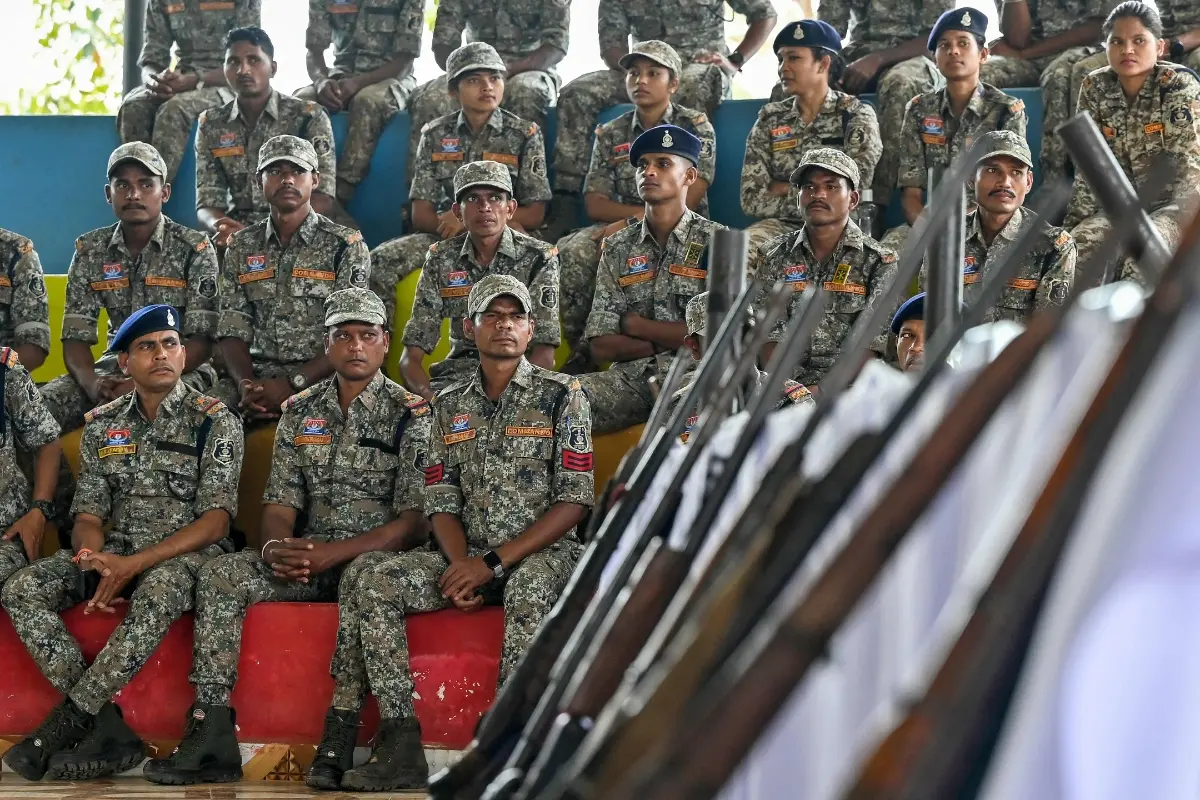
New Delhi: Union Home Minister Amit Shah officially announced the fulfilment of his "Naxal Mukt Bharat" pledge on Wednesday, declaring that the top leadership of the Maoist insurgency has been effectively neutralised through a combination of targeted strikes, arrests, and surrenders.
The Home Minister confirmed that every member of the Naxalite central and state committees has either been killed, apprehended, or turned over to authorities. Negotiations are currently underway with the final active member of the CPI (Maoist) central committee, signalling the near-total dissolution of the movement’s command structure.
The "Red Corridor," which once spanned the Indian subcontinent from Tirupati to the Nepalese border, has collapsed from a peak of 126 districts to just two. Officials credited the success of the mission to the Narendra Modi government’s "iron-fist policy," which integrated aggressive field operations with unprecedented intelligence overhauls and grassroots development.
Intelligence as a Force Multiplier
A cornerstone of the victory was the radical transformation of the state's intelligence apparatus. Following Shah’s declaration that India would be free of Naxalism by March 31, 2026, intelligence regarding insurgent movements became nearly infallible.
"The intelligence about the presence of Naxalites, be it commanders or foot soldiers, hardly ever failed," a senior official stated.
The Central Reserve Police Force (CRPF) spearheaded this transition by activating a specialised intelligence wing tasked with mapping every active insurgent. This granular approach targeted not only high-ranking commanders but also the Jan Militia, Revolutionary People’s Committees, and the logistical support networks embedded within the forests and villages.
Decentralisation and Trust
Under the direct supervision of the Union Home Minister, the government moved away from a centralised intelligence model. Instead, every battalion was equipped with its own dedicated intelligence unit.
Initially, security forces faced deep-seated mistrust from local populations who served as the eyes and ears of the Naxalites. Intelligence officials spent months visiting affected villages to build relationships, eventually convincing residents that the insurgent cause was failing. They highlighted the government's progress in building roads and communication infrastructure, which the Naxalites had promised but never delivered.
"Convincing the villagers was the turning point, and this resulted in actionable intelligence," an official noted. Experts say that while villagers once provided the precise data used by Naxals to ambush security forces, the tide turned when roughly 90 per cent of the information received by the state became "Grade A" and highly actionable.
Real-Time Operations
The shift to real-time intelligence drastically reduced the effectiveness of Naxal tactics. In previous years, insurgents frequently used Improvised Explosive Devices (IEDs) to inflict heavy casualties on security personnel.
"Real-time intelligence changed all that," an Intelligence Bureau official said, noting that the data allowed agencies to not only prevent ambushes but to proactively locate and eliminate insurgent cells.
The successful operation marks the end of a multi-year deadline set by the Home Minister, who had famously warned the insurgents to "either surrender or be killed."
With inputs from IANS